

Newsroom
ReFED Articles
Showing 418 results
-
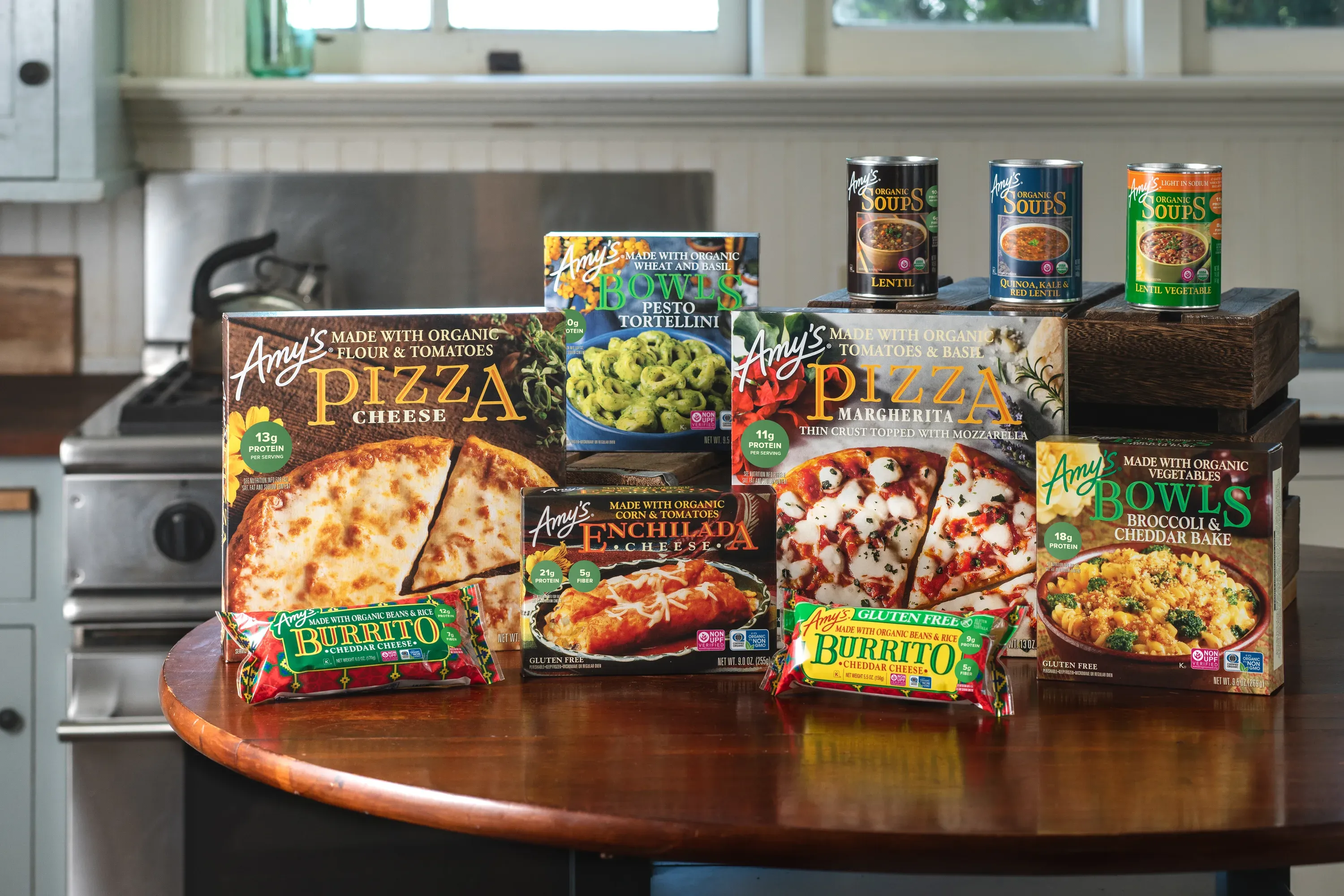
Amy’s Kitchen Joins U.S. Food Waste Pact to Advance Solutions
Amy’s Kitchen, family-owned pioneer of organic prepared food and Certified B Corporation, is the latest signatory to join the U.S. Food Waste Pact, a joint initiative led by nonprofits ReFED and World Wildlife Fund to reduce food waste throughout the supply chain. Amy’s Kitchen joins three other manufacturing signatories, along with a cohort of producers, distributors, foodservice operators, and grocery retailers dedicated to cross-sector collaboration on high-impact solutions to food waste.
-

[GUEST BLOG] Food Waste Reduction in Corporate & Institutional Kitchens
Every morning, before a single guest walks through the door, the most important food waste decisions of the day have already been made. Not by a sustainability consultant. Not by a corporate ESG team. By a chef — standing in front of a prep sheet he wrote himself.
-

Mid-Year Reflections: Five Things to Celebrate
This year has been flying by, and with so much happening in the food waste space, it can be hard to keep track of all of the news and updates. Yet looking back on the last six plus months, we’re feeling proud of some “big wins” for ReFED and the food waste movement broadly.
-

[SUMMIT RECAP] Fixing Food System Inefficiencies with AI
During the 2026 ReFED Food Waste Solutions Summit session, The Big Picture: Megatrends Shaping the Future of Food Waste, industry innovators shared how this data-driven technology improves operations in the logistically complex areas of refrigerated food delivery and hospitality.
-

Faith and Food Waste: A Shared Commitment to Stewardship and Community
This article explores how faith communities stand as one of the most meaningful and underutilized ways to engage millions of community members in food waste reduction efforts. For organizations working to reduce food waste, feed people, and encourage long-term behavior change, these communities represent both trusted messengers and longstanding infrastructure for community action.
-
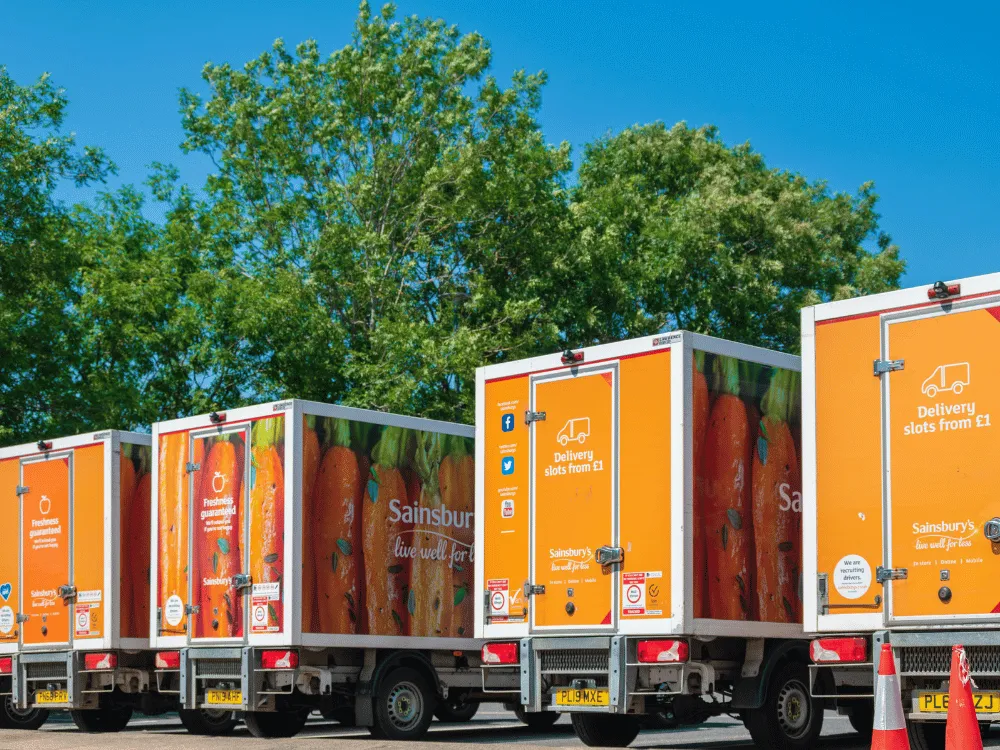
[GUEST BLOG] How Food Waste Organizations Can Scale Their Delivery Operations
Distribution is where food recovery efforts stall. And while the logistics industry has developed sophisticated tools for solving exactly these kinds of problems, most food waste organizations have had limited access to them. That is beginning to change.
-

A Bipartisan Path to Increase Affordability, Maximize Income for Farmers, and Improve Soil Health: ReFED’s Food Waste Policy Priorities
Policy change is one powerful tool to help confront this problem. And, despite the gridlock and politics in our nation’s capital, we believe there are a handful of practical and achievable policies that officials in both parties can get behind in the next couple of years to make progress on this issue and help their constituents.
-
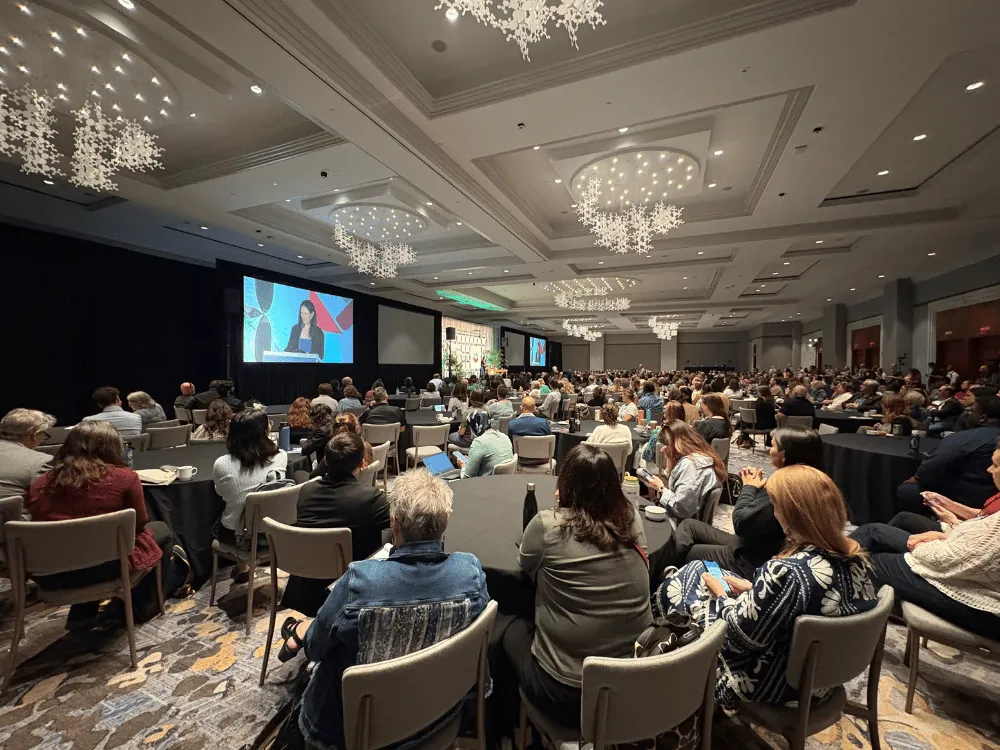
A Commitment to Solving Food Waste: Ideas from Two Days of the 2026 ReFED Food Waste Solutions Summit
This conviction and commitment to solving food waste fueled the conversations on stage and in the conference halls and set the tone for an incredible schedule of mainstage and breakout sessions, networking opportunities, field trips, and more. Here are a few of the key ideas we’re thinking about from the Summit so far.
-
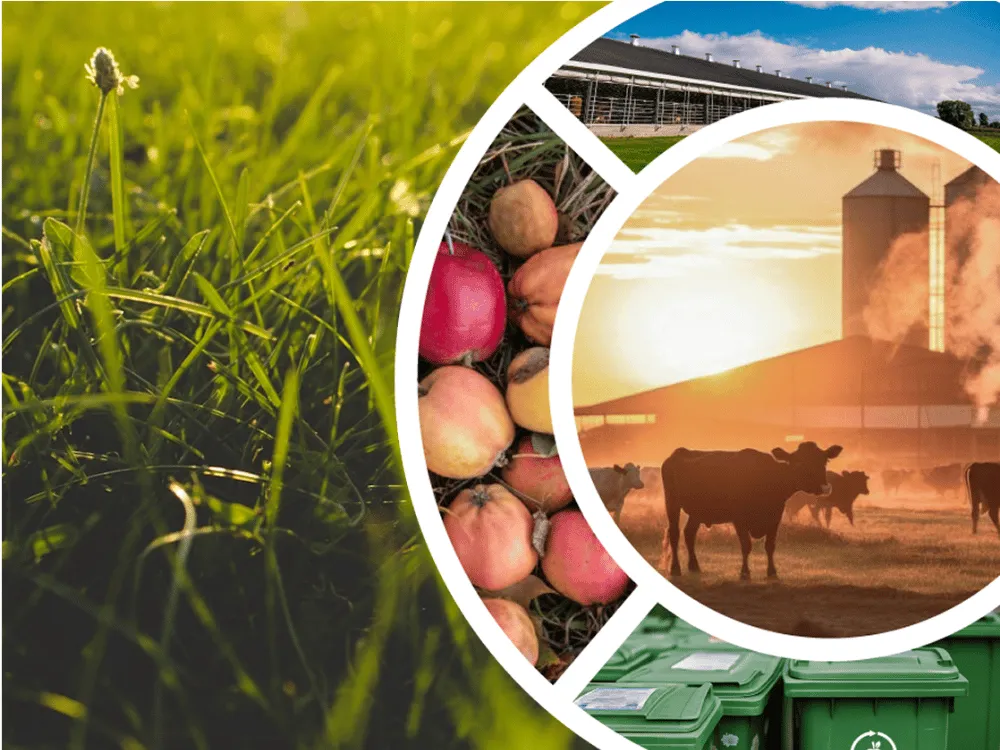
ReFED Announces $2M in Grants to Nine Organizations Tackling Methane Through Its Catalytic Grant Fund
Today at the 2026 ReFED Food Waste Solutions Summit, ReFED announced the newest cohort of grantees selected through its Catalytic Grant Fund, a first-of-its-kind initiative designed to provide flexible, risk-tolerant capital to food waste solutions with the potential for outsized climate impact.
-
2025 Year-End: State Food Waste Legislative Trends—and a Closer Look at New Jersey
Since the 2025 midyear update, state food waste policy activity has continued, largely in the form of incremental developments rather than sweeping new legislative initiatives. Earlier momentum around organic waste diversion and date labeling remains an important backdrop, but the second half of the year was defined more by implementation questions and refining of existing frameworks.
-
Beyond the Summit: Building the Systems To Reduce Food Waste
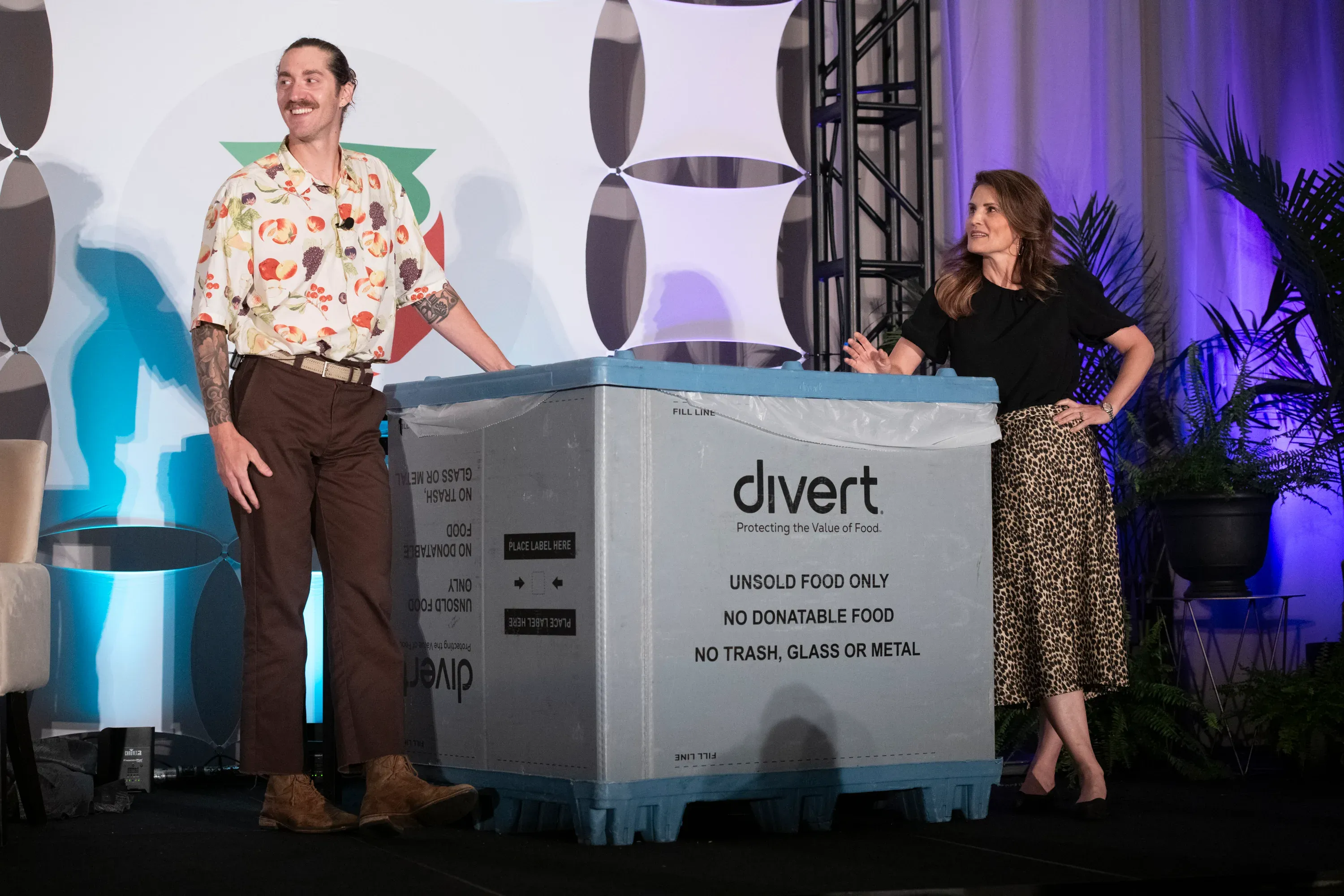
In this article, ReFED sits down with Ben Kuethe Oaks of divert to discuss the innovations and trends driving food waste reduction, including leveraging increasingly granular data, building out system-level solutions, and treating surplus food as a source of value rather than just waste.
-
Top 7 Reasons to Attend the 2026 ReFED Food Waste Solutions Summit (And One Bonus Reason…)
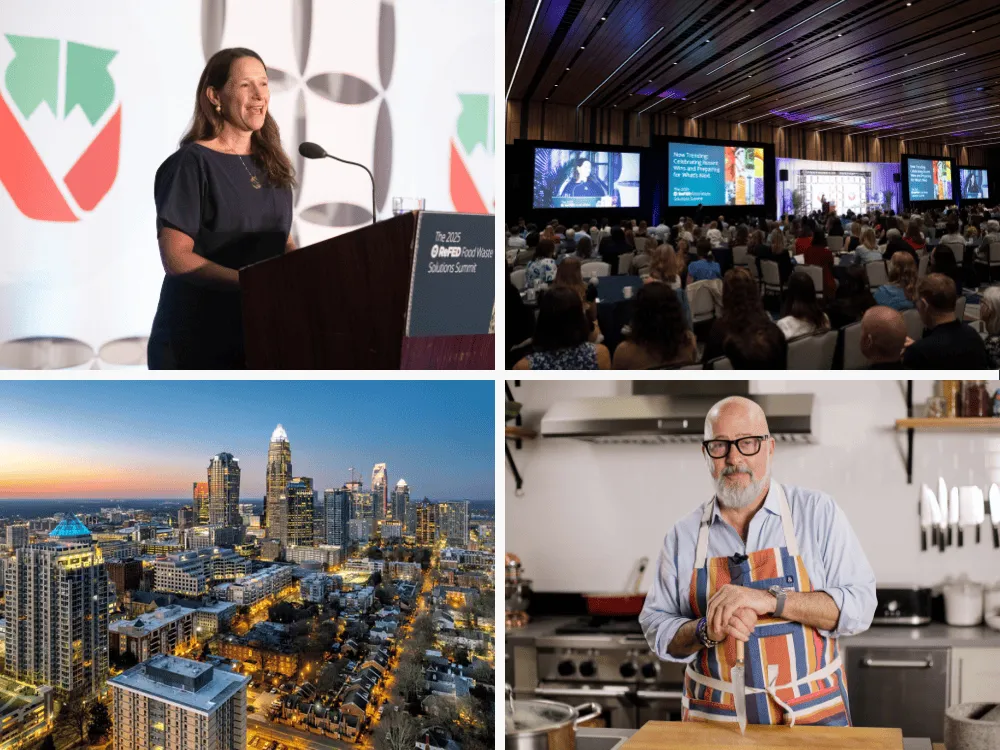
In just over a month, we will be convening in Charlotte for a meeting of the minds to discuss how we continue the momentum and progress we’re seeing to reduce food waste. If you haven’t gotten your 2026 ReFED Food Waste Solutions Summit ticket yet, here are seven reasons why you should do it today.
-

New Report: Nationwide Reduction in Food Waste Driven by Households
ReFED’s yearly progress report "Progress on the Plate: The 2026 U.S. Food Waste Report" shows that in 2024, total surplus food decreased to 70 million tons, a 2.2% reduction from 2023 and slightly more than a 3.7% decrease per capita, led by a nearly 950,000 ton reduction in residential food waste.
-
ReFED Receives 2026 Impact Award from the James Beard Foundation
The Impact Awards program recognizes changemakers actively working to push for standards that create a more equitable, sustainable, and economically viable restaurant industry and food system for producers, workers, and consumers alike.
-

[WEBINAR RECAP] Andrew Zimmern on the Future of Food Waste Solutions
This disconnect between resource abundance and systemic failure served as the jumping-off point for ReFED’s recent webinar, What Will It Take to Solve Food Waste?. Emmy and James Beard Award-winning host, chef, and food advocate Andrew Zimmern joined ReFED President Dana Gunders to discuss why we can no longer settle for temporary workarounds that merely relocate waste rather than eliminate it.
-
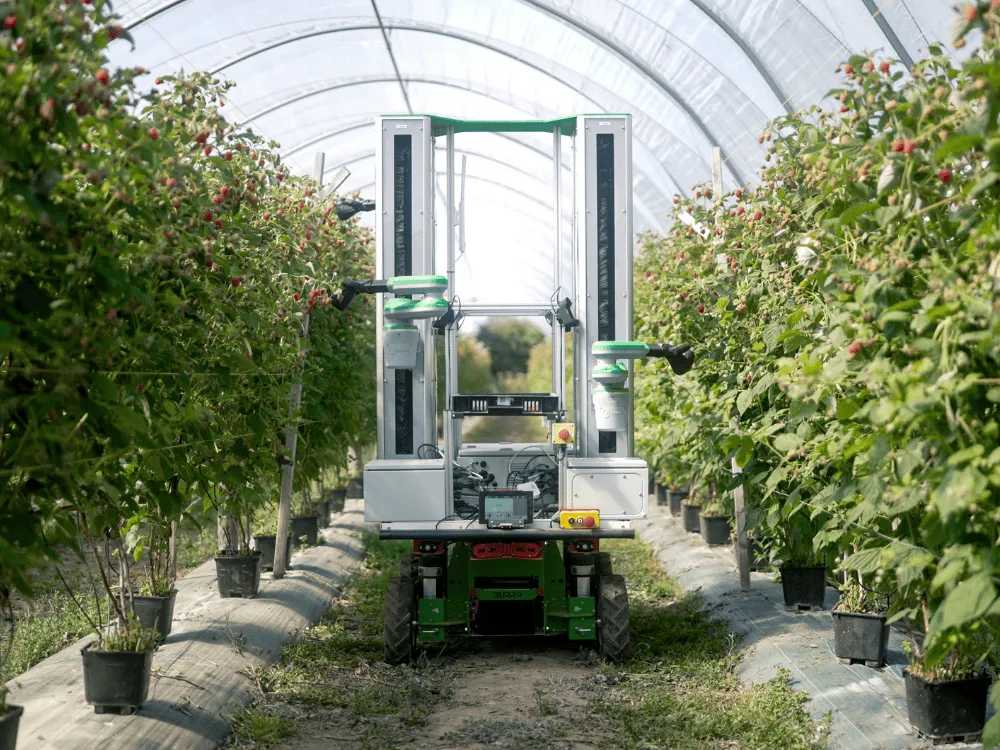
Why The ReFED Catalytic Grant Fund Supported Fieldwork Robotics: Tackling Labor Shortages and Food Waste at the Source
This intersection—high levels of on-farm food loss and structural labor constraints—signals a clear need for new technology, equipment, and business models. That’s why we funded Fieldwork Robotics through the ReFED Catalytic Grant Fund.
-

2026 ReFED Food Waste Solutions Summit Video Library & Session Replays
At the DNO Produce group of companies, we’ve learned that reducing food waste rarely comes from a single breakthrough. More often, it’s the result of sustained investment, cross-sector collaboration, and a willingness to keep moving forward even when solutions cost more or take longer than expected.
-

A Funder’s Guide to the Current State of Federal Funding for Food Waste Solutions
ReFED estimates that achieving meaningful food waste reduction requires approximately $3 billion in annual government implementation support over the next 10 years, with over $1.6 billion needed in annual grants specifically. Current federal funding represents roughly 5% of that need.
-
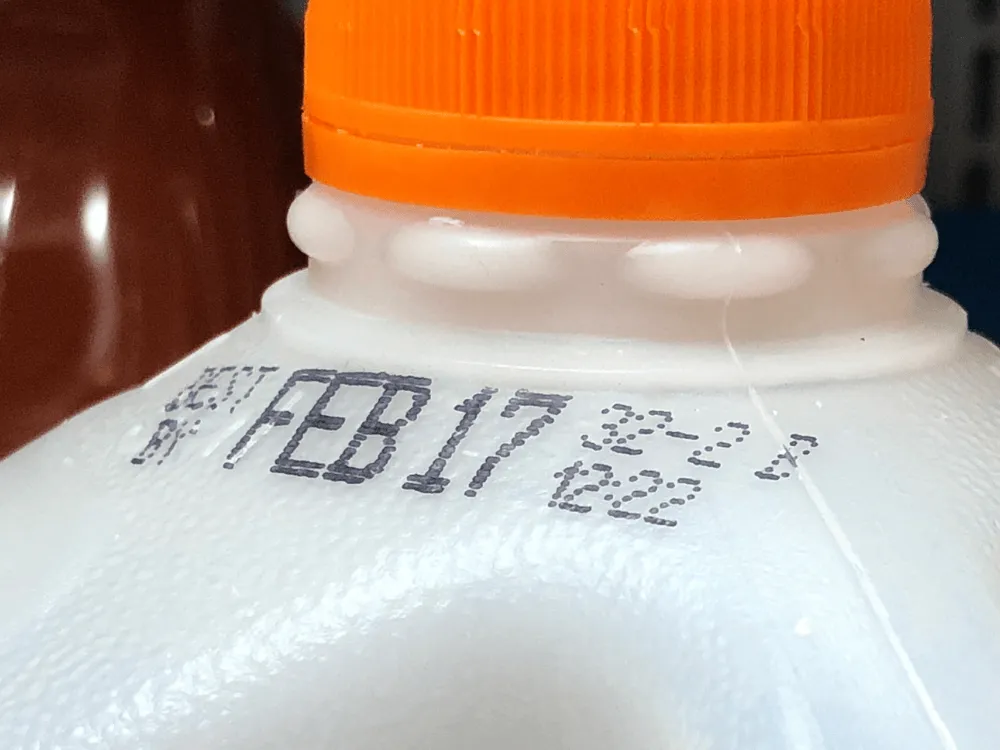
How Confusing Food Date Labels Are Hitting Your Wallet: Five Things to Know About Food Date Labels, Consumer Behavior, and Policy
At a time when grocery prices remain high and households are actively trying to save money, understanding how consumers use (and struggle with) date labels offers a critical opportunity to ensure food that is still edible—despite passing a mostly arbitrary date—is consumed rather than sent to the trash.
-
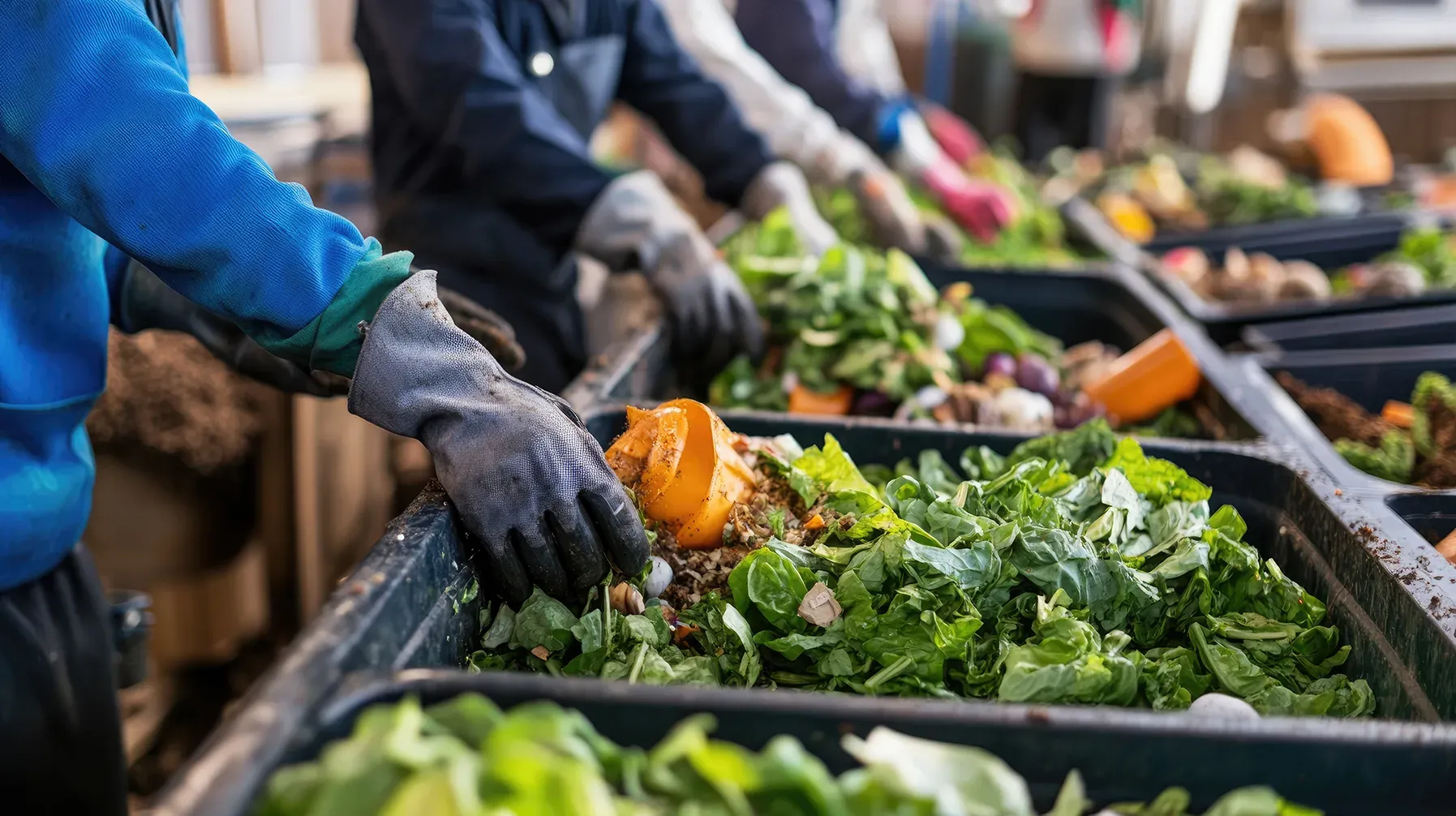
U.S. Food Waste Pact Report Shows Less Food Being Wasted In Retail and Foodservice Sectors
A new report from the U.S. Food Waste Pact (Pact), a collaborative initiative of 30 food businesses across the country led by nonprofits ReFED and World Wildlife Fund, shows reductions in the amount of food being wasted nationwide by grocery retail and foodservice companies in 2024 compared to 2023. The results are good news for the food system, as it tries to address its 60-million-ton food waste problem.
-

New Research Shows Consumer Demand for Customizable Portions in Restaurants
Released this month, a new analysis from ReFED and Datassential shows that restaurant owners and operators who offer customizable portions can gain a competitive advantage by catering to what Americans want, including emerging market segments such as Gen-Z and GLP-1 users.
-

9 Tips from the ReFED Staff for a Low Food Waste Holiday
Here at ReFED, reducing food waste isn’t just something we work on professionally. It’s something we think about in our own homes, especially during the busy, food-filled weeks of the holiday season! To help you stay ahead of holiday food waste this year, we asked members of the ReFED team to share the practical strategies they use in their own kitchens to reduce waste.
-

The American Hotel & Lodging Association Joins the U.S. Food Waste Pact
The American Hotel & Lodging Association (AHLA), the trade association that advocates for every segment of the hotel industry, has become the latest trade association to join the U.S. Food Waste Pact (Pact), a joint initiative led by ReFED and World Wildlife Fund (WWF) to reduce food waste across the food system. AHLA joins 29 other food businesses and organizations signing onto the Pact’s voluntary agreement, which utilizes the “Target, Measure, Act” framework to facilitate industry collaboration and action to reduce food waste across the food system.
-
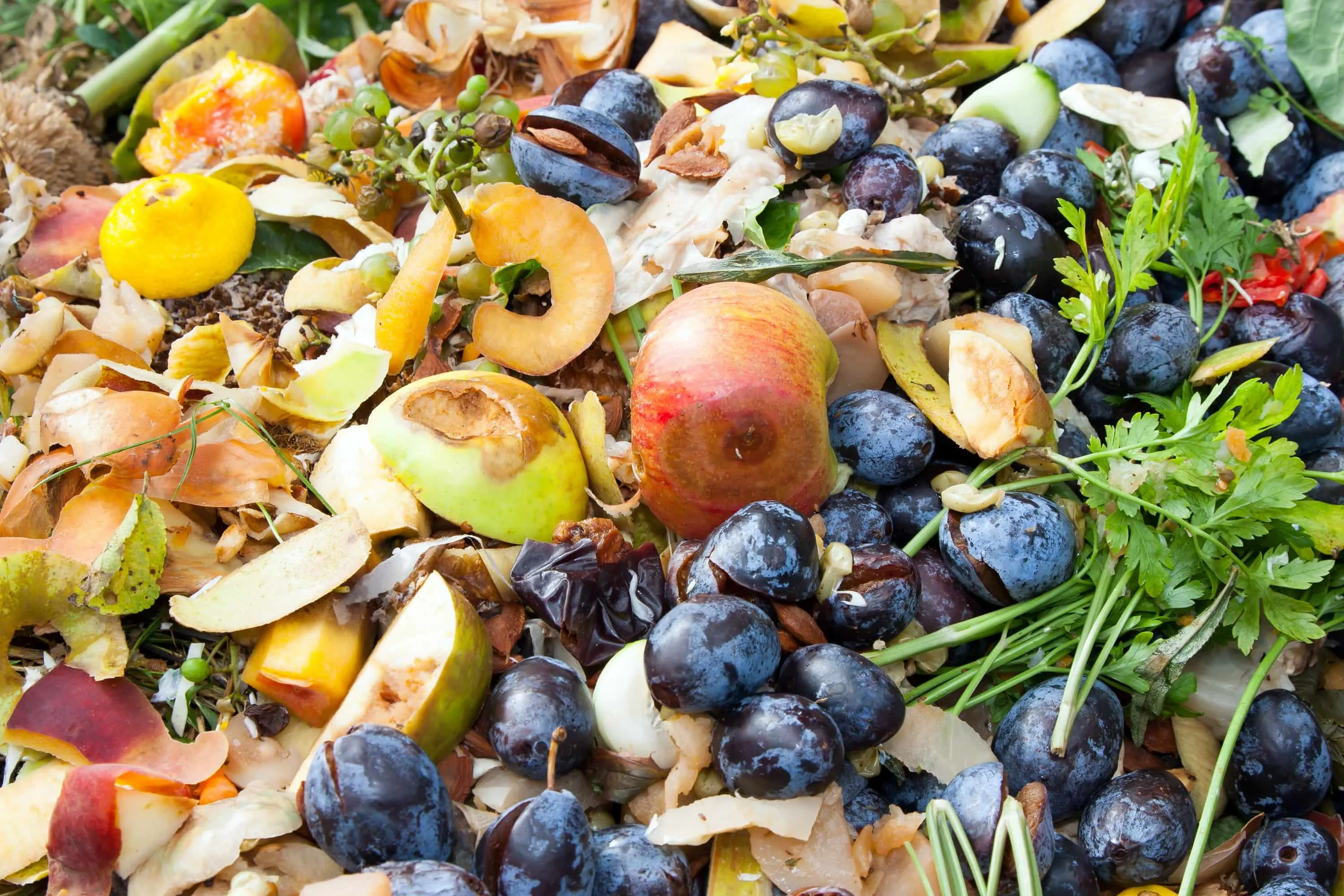
The International Fresh Produce Association Joins the U.S. Food Waste Pact
The International Fresh Produce Association (IFPA), the trade association that advocates for the fresh produce supply chain, has become the latest trade association to join the U.S. Food Waste Pact (Pact), a joint initiative led by ReFED and World Wildlife Fund (WWF) to reduce food waste across the food system. IFPA joins 28 other food businesses and organizations signing onto the Pact’s voluntary agreement, which utilizes the “Target, Measure, Act” framework to facilitate industry collaboration and action to reduce food waste across the food system.
-
CAVA Joins the U.S. Food Waste Pact
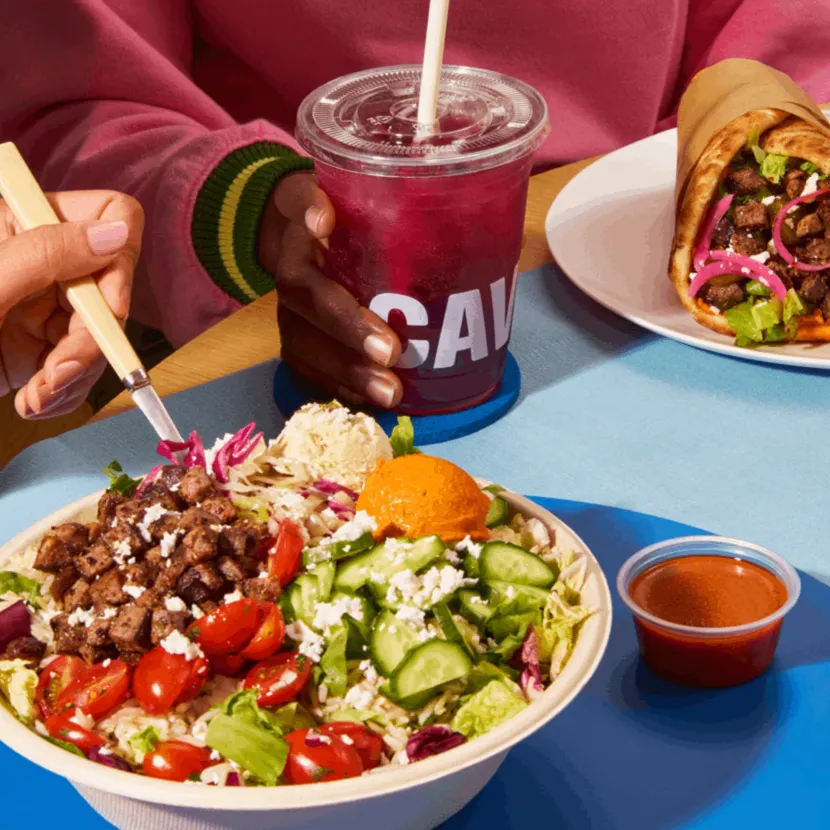
CAVA, the category-defining Mediterranean fast-casual restaurant brand, has become the newest quick-service restaurant to join the U.S. Food Waste Pact (Pact), a joint initiative led by ReFED and World Wildlife Fund (WWF) to reduce food waste throughout the supply chain. CAVA joins 27 other food businesses and organizations signing onto the Pact’s voluntary agreement, which utilizes the “Target, Measure, Act” framework to facilitate industry collaboration and action to reduce food waste across the food system.
-
[GUEST BLOG] From Mandate to Momentum: How Massachusetts Turned an Organic Waste Ban into a Model for Success
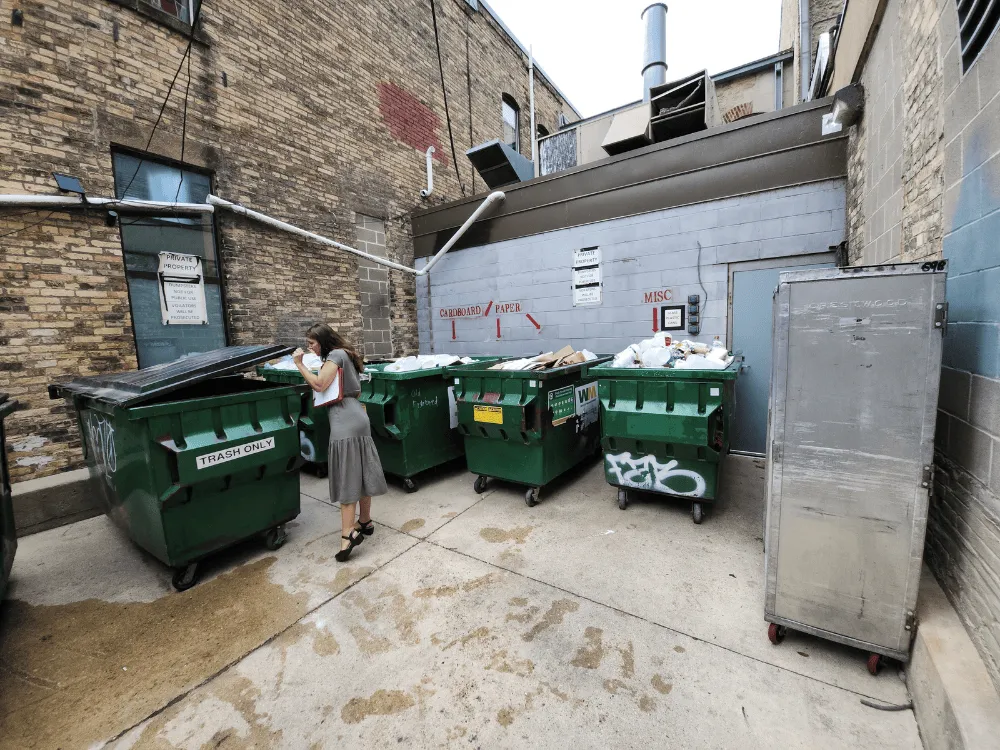
This article explores how the Commonwealth aligned policy with strategic investments in infrastructure and technical assistance to create a practical, scalable model, and how the ReFED Catalytic Grant Fund is helping that model expand across the country.
-
[GUEST BLOG] The Low Hanging Fruit: Using Existing Data To Cut Spoilage Shrink Now at Grocery Retail
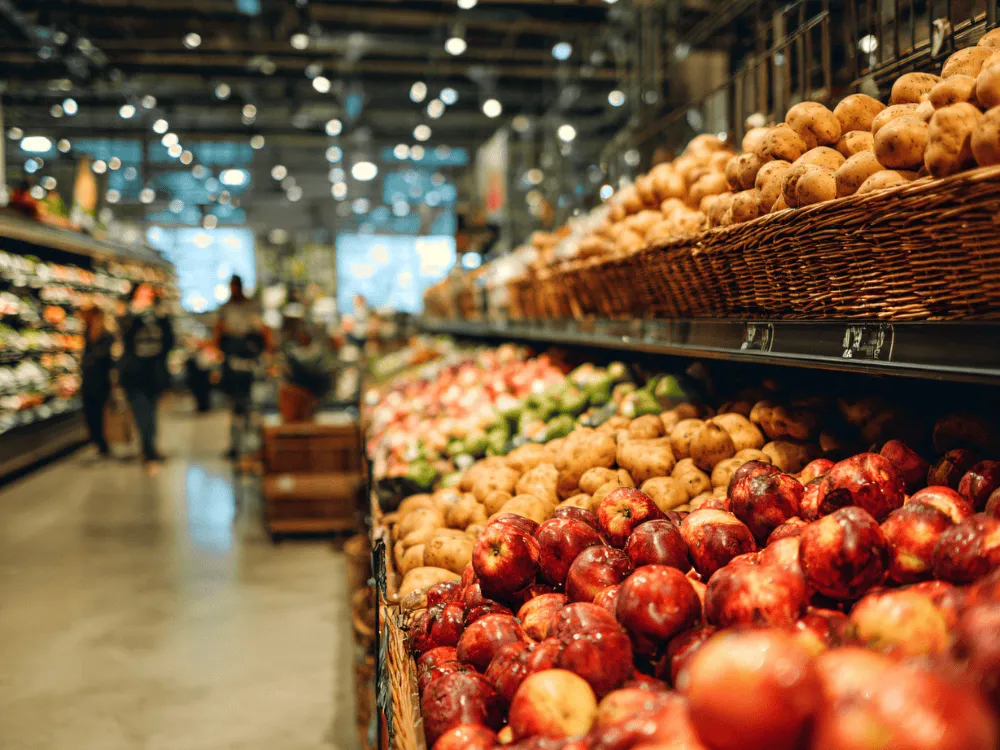
To give a glimpse into what an inventory health perspective can provide for grocery supply chains, I want to share one simple, actionable inventory analysis that can easily help retailers reduce some of the root causes of spoilage shrink quickly.
-
Feeding People During the Shutdown: Organizations Stepping Up to Help [Updated]
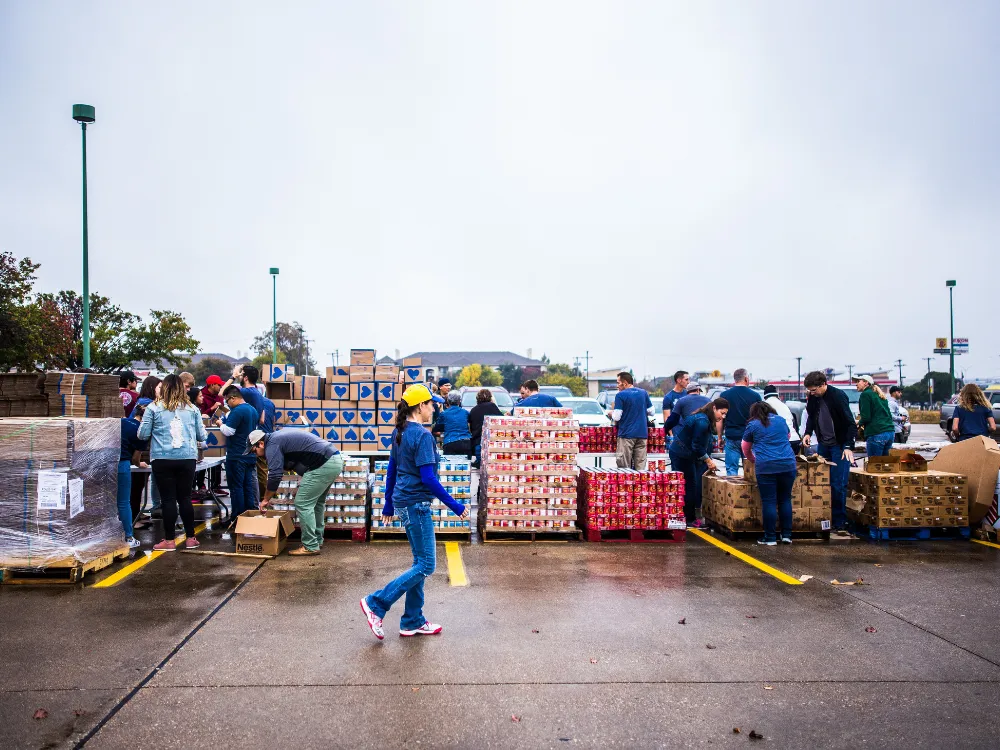
While a potential resolution has not yet been agreed upon, food recovery and charitable food aid organizations across the country are stepping up to fill the gap created by this situation, as well as the cuts to food aid that have occurred throughout the year.
-
New Seasons Market Joins the U.S. Food Waste Pact
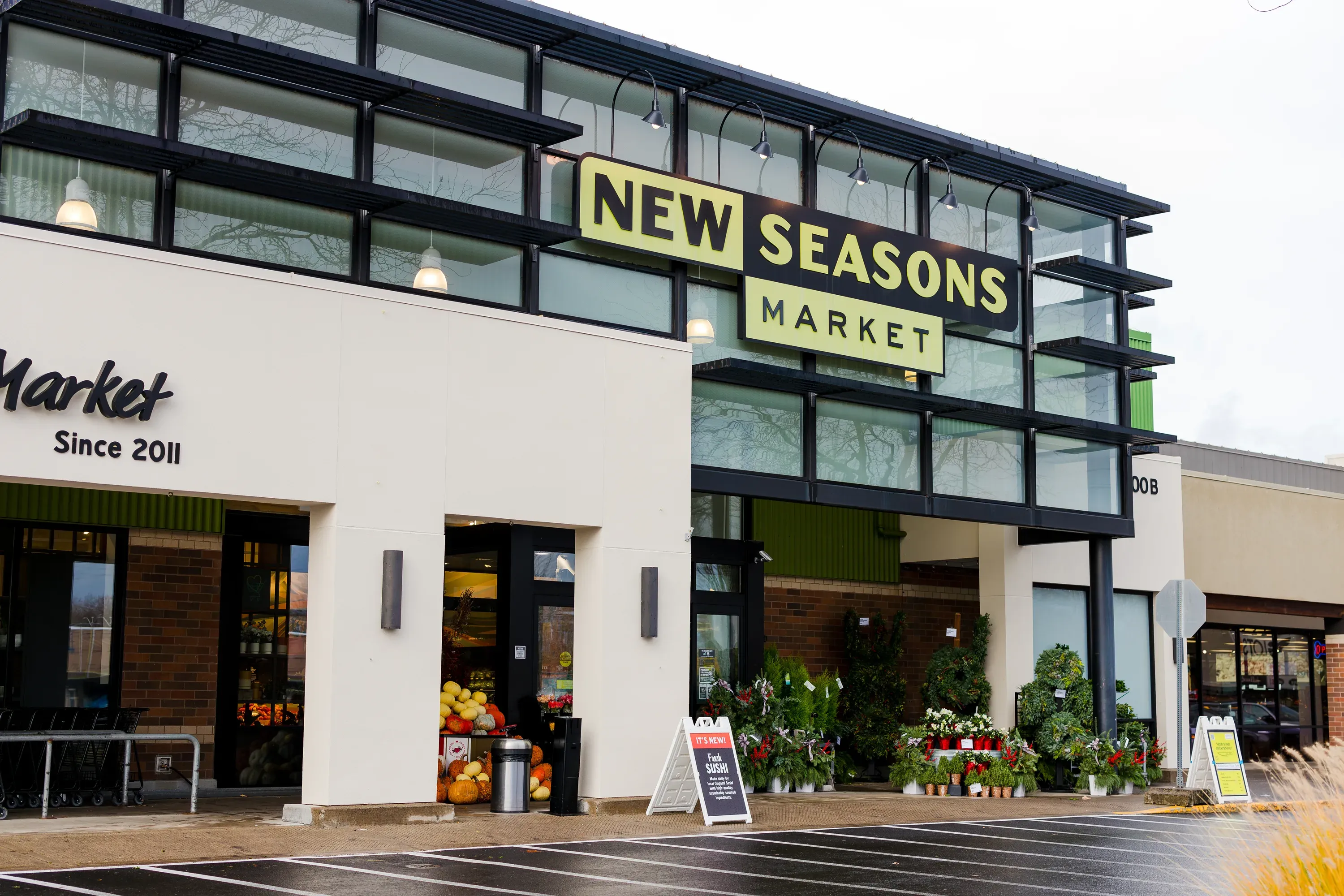
New Seasons Market, the Portland-based grocery chain providing locally sourced and organic items, has become the latest grocery retailer to join the U.S. Food Waste Pact (Pact), a joint initiative led by ReFED and World Wildlife Fund (WWF) to reduce food waste throughout the supply chain. New Seasons Market joins 26 other food businesses and organizations signing onto the Pact’s voluntary agreement, which utilizes the “Target, Measure, Act” framework to facilitate industry collaboration and action to reduce food waste across the food system.
-
Midwest Foods Joins the U.S. Food Waste Pact
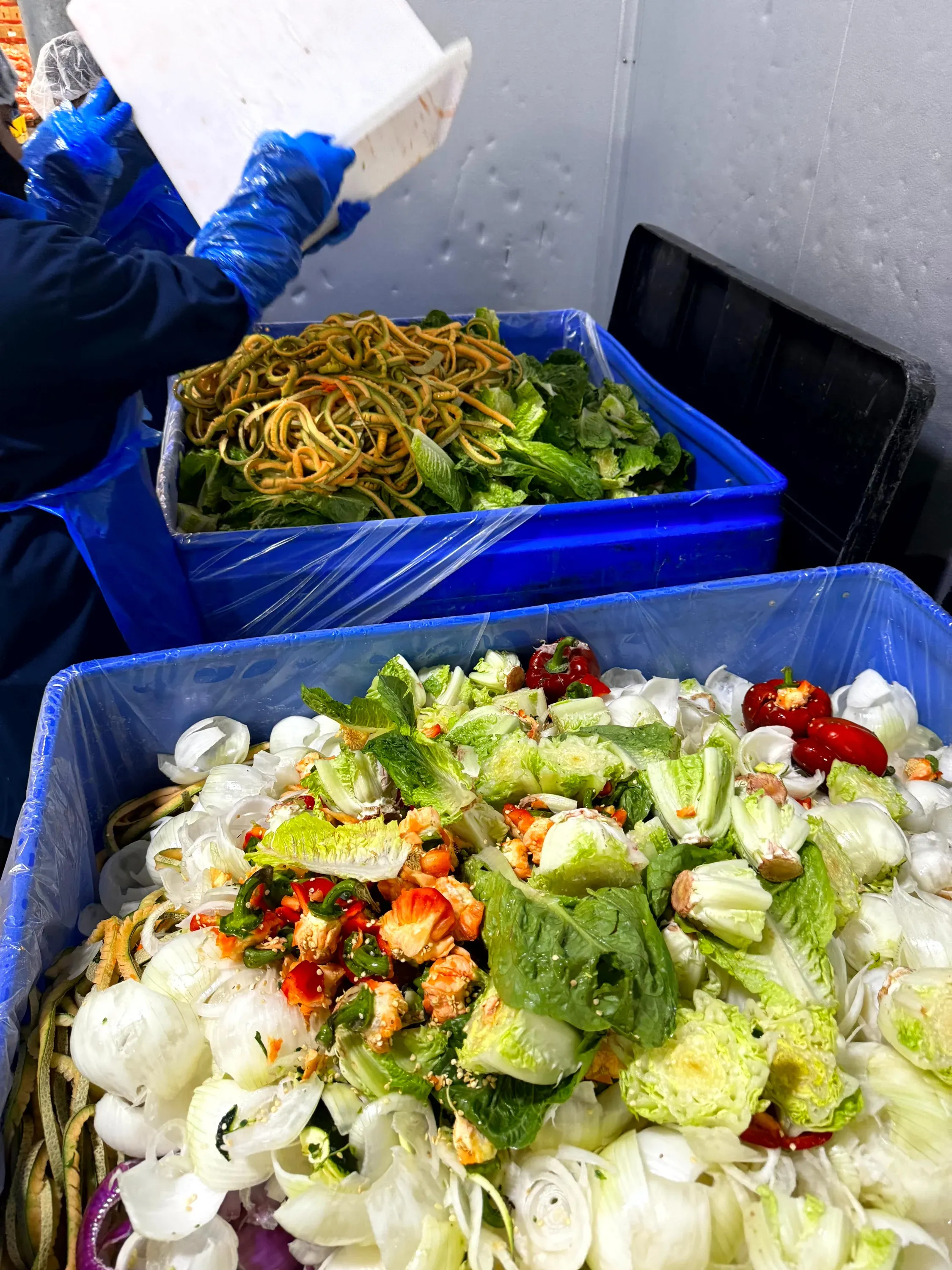
Midwest Foods, Chicago’s locally, family, and women- owned wholesale produce distributor, has joined the U.S. Food Waste Pact (Pact), a joint initiative led by nonprofits ReFED and World Wildlife Fund (WWF) to reduce food waste throughout the supply chain. Midwest Foods is the first distributor in its region—and only the second in the nation—to join 25 other food businesses and organizations participating in the collaborative food-waste reduction effort guided by the “Target, Measure, Act” framework.
-
ReFED Announces New Catalytic Grant Fund Open Call Focused On Methane Reduction
Today at Climate Week NYC, ReFED, the U.S.-based nonprofit working to solve food waste, announced a new open call focused on methane reduction for its Catalytic Grant Fund, a first-of-its-kind initiative designed to support food waste solutions with catalytic funding that can unlock outsized impact.
-
Climate Week NYC 2025: Where to Find ReFED
From September 22-26, we’re excited to be back in New York City for this year’s Climate Week, where we will be on the ground making sure that food waste reduction is recognized as a top climate solution by the thought leaders and changemakers in attendance.
-
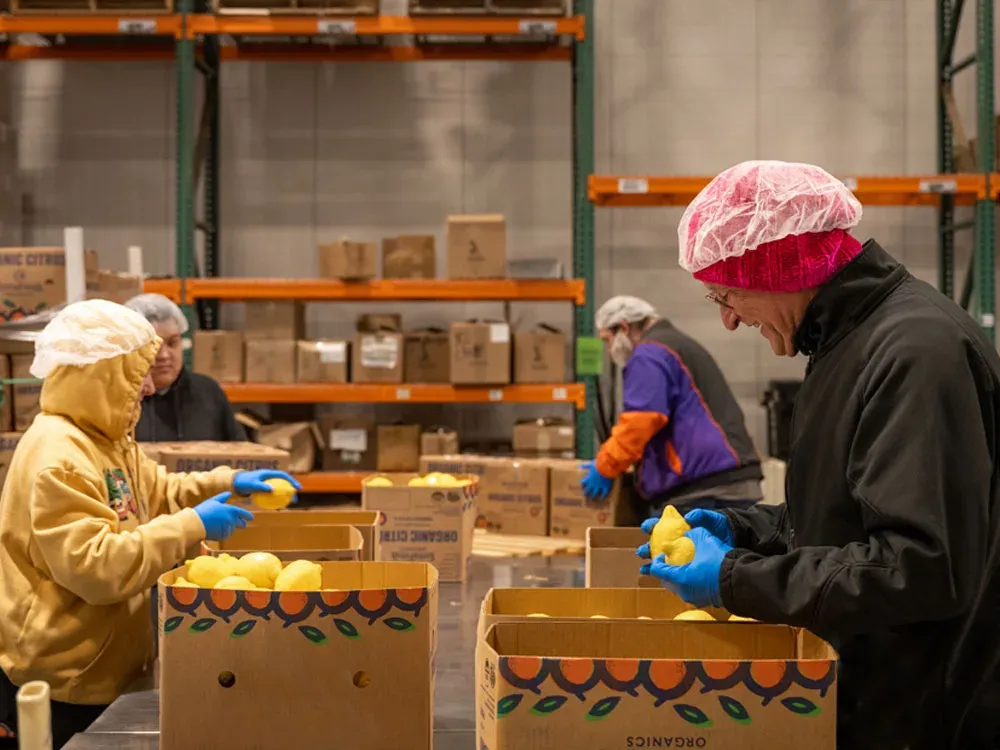
Organically Grown Company Becomes the First Distributor to Join the U.S. Food Waste Pact
Organically Grown Company, an Oregon-based wholesale distributor of fresh organic fruits and vegetables, has joined the U.S. Food Waste Pact (Pact), a joint initiative led by nonprofits ReFED and World Wildlife Fund (WWF) to reduce food waste throughout the supply chain. Organically Grown joins 23 other food businesses and organizations that participate in the collaborative food waste reduction effort centered on the “Target, Measure, Act” framework.
-

Three Questions (and Answers) About the Offer Versus Serve Flexibility for School Lunches
In June, the USDA issued a memo reminding schools of the “offer versus serve (OVS) flexibility” as one way to reduce this food waste while also empowering students to select a meal that they like. So what is OVS flexibility, and why does it matter?
-

Beyond the Summit: Building the Business Case for Reducing Food Loss and Waste
Motivations to reduce food loss and waste within business operations include environmental concerns like mitigating climate change or social considerations like addressing hunger, but more often than not, there needs to be a clear financial case to take action—and fortunately, there usually is.
-
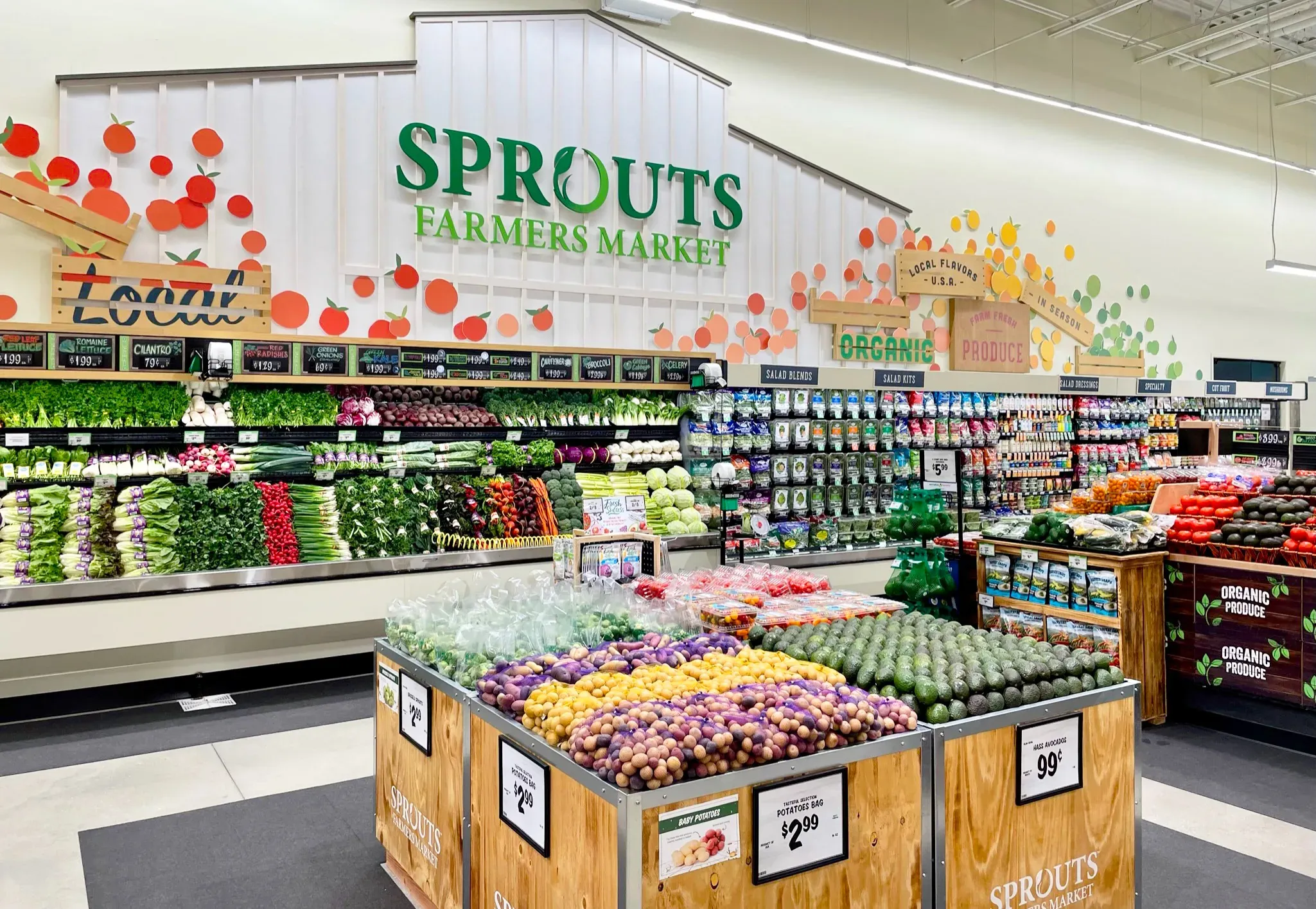
Sprouts Farmers Market Joins the U.S. Food Waste Pact to Collaborate With Industry Peers on Waste Reduction Efforts
Sprouts Farmers Market, the Phoenix-based specialty retailer focused on fresh, natural, and organic food, has become the latest grocery retailer to join the U.S. Food Waste Pact (Pact), a joint initiative led by ReFED and World Wildlife Fund (WWF) to reduce food waste throughout the supply chain. Sprouts joins 21 other food businesses and organizations committing to the Pact’s voluntary agreement, which utilizes the “Target, Measure, Act” framework to facilitate industry collaboration and action to reduce food waste across the food system.
-

Nicole Chandler: Building Teams to Fight Food Waste
Before joining ReFED, Director of People & Culture Nicole Chandler had already spent years honing her talent for finding the right people, from seasoned experts to diamonds in the rough. With over two decades of experience leading human resources initiatives across industries like hospitality, retail, consumer packaged goods, and entertainment, Nicole brings a wealth of knowledge and a sharp instinct for talent to every role she takes on. When there was an opportunity to join an organization tackling food waste—one of today’s most solvable yet overlooked environmental and economic challenges—Nicole knew it was her next step.
-
FMI, The Food Industry Association Becomes First Trade Association to Join U.S. Food Waste Pact
FMI, The Food Industry Association, which works with and on behalf of the entire industry to advance a safer, healthier, and more efficient consumer food supply chain, has become the first trade association to join the U.S. Food Waste Pact (Pact), the national voluntary agreement focused on reducing food waste in the U.S., co-led by nonprofits ReFED and World Wildlife Fund (WWF).
-

New White Paper Shares Insights from the ReFED Catalytic Grant Fund’s Restaurant Open Call
Now, ReFED and Toast.org collaborated again to publish a white paper that features insights from the 2023 Restaurant Open Call and provides an overview of how grantees are offering solutions tailored to four common restaurant scenarios.
-
Hilton Joins U.S. Food Waste Pact As First Hospitality Signatory
Hilton, a global leader in hospitality, has become the first signatory from its sector to sign the U.S. Food Waste Pact, the national voluntary agreement focused on reducing food waste in the U.S., co-led by nonprofits ReFED and World Wildlife Fund (WWF).
-

Top 7 Reasons to Attend the 2025 ReFED Food Waste Solutions Summit
We can’t wait to convene in Seattle to discuss how to build a more sustainable and resilient food system at the 2025 ReFED Food Waste Solutions Summit—and with just over two months left until the big event, we put together this list of reasons why you need to be there.
-
ReFED Staff Share Their Food Waste “Why?” to Celebrate Food Waste Prevention Week
To help recognize and celebrate Food Waste Prevention Week at ReFED, we asked staff to share brief testimonials on their “why” for dedicating their professional (and very often personal) lives to solving food loss and waste in the United States.
-

Thinking Big at the ReFED and XPRIZE “Moonshot Workshop” on Global Food Loss and Waste
As an ongoing part of ReFED's mission to accelerate solutions to food loss and waste and in recognition of the critical lever capital plays in achieving these ambitions, ReFED and XPRIZE co-hosted a “Moonshot Workshop” at Climate Week 2024.
-

Five Years Since COVID-19 Upended Our Food System
COVID-19 had a profound impact on the food system, with business closures, labor shortages, and <a href="https://refed.org/action-areas/enhance-product-distribution">supply chain disruptions</a> causing significant fluctuations in surplus food levels.
-
Scaling Food Waste Solutions Through Voluntary Agreements
The case studies published by the Pacific Coast Food Waste Commitment in 2024 detail intervention projects launched with participating food businesses, with a special emphasis on those that are repeatable and have broad impact potential. This article provides an overview of two solutions areas—employee engagement and whole chain collaboration—including what is driving their success and what’s to come in 2025.
-
ReFED Catalytic Grant Fund Announces Open Call to Address On-Farm Food Loss
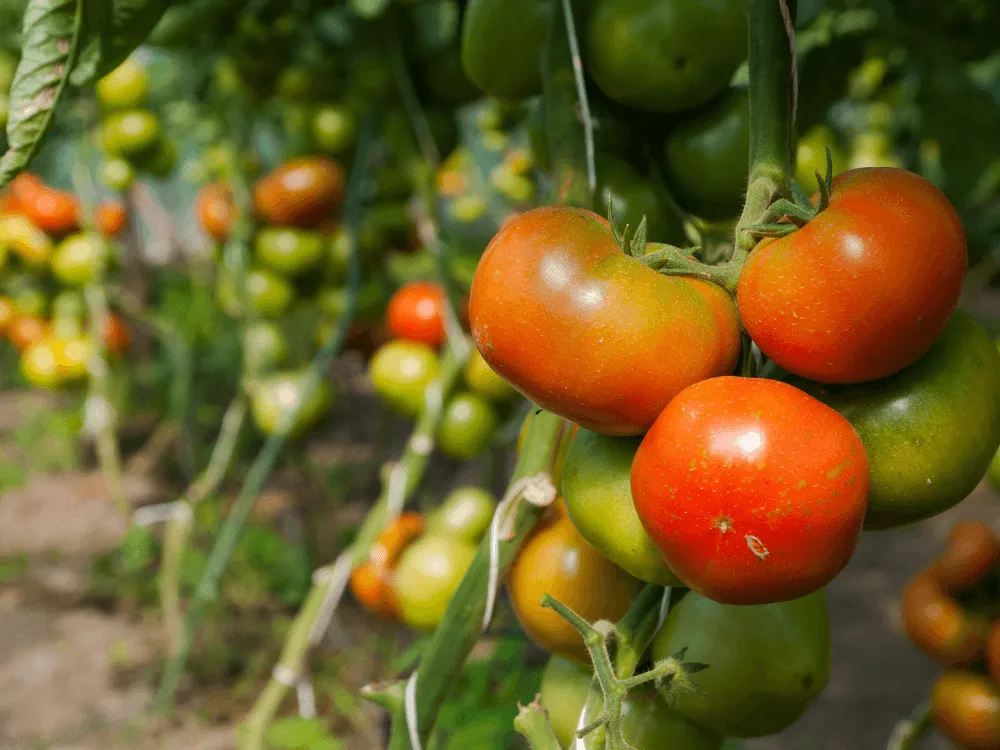
Today, ReFED, a U.S.-based nonprofit that works to advance solutions to food waste, announced its Catalytic Grant Fund is now accepting applications for solutions that can help to reduce the 17.6 million tons of surplus produce—the harvested or unharvested fruits and vegetables that do not make it to the consumer—that U.S. farms generate each year.
-
More Than 30 Countries Sign the COP29 Declaration on Reducing Methane from Organic Waste
Today brought yet another big progress point for food loss and waste reduction coming from Baku, Azerbaijan, where more than 30 countries signed on to the COP29 “Declaration on Reducing Methane from Organic Waste."
-

Approaching 2025: Checking In on Global Food Waste Reduction Efforts
And as nations meet in Azerbaijan over the next week at COP29, we’re exploring those three areas, highlighting what the United States and other countries have done, and speculating on what might be ahead when it comes to meeting SDG 12.3.
-

There's Room for Everyone in the Food Waste "Big Tent"
While there are many uncertainties surrounding the policies of the new administration after last week’s election, we at ReFED are confident that the following remains true—food waste is a nonpartisan issue, and we can all agree that throwing out perfectly good food doesn’t benefit anyone.
-

Recap: U.S. Food Waste Pact Town Hall Webinar
On October 16, the U.S. Food Waste Pact—the first national voluntary agreement focused on fighting food waste in the United States—held its first town hall meeting, which gave attendees the opportunity to learn more about the initiative and give feedback on the Pact’s future plans.
-

ReFED Partners with Menus of Change University Research Collaborative on New Repurposing Report and Toolkit
And now a toolkit has been specifically designed for foodservice professionals like restaurant managers, chefs, and dining operators that offers actionable, cost-effective strategies and recipes to utilize high-quality prepped ingredients that would otherwise be wasted.
-

U.S. Food Waste Pact Welcomes Health Care Without Harm As Its Latest Signatory
The U.S. Food Waste Pact, a national voluntary agreement focused on reducing food waste in the U.S. through pre-competitive collaboration and data sharing, announced today that Health Care Without Harm, which works to make health care institutions around the world more sustainable, has become its latest signatory. This marks an important opportunity for the U.S. Food Waste Pact to extend its reach to hospitals across the U.S., which can generate nearly 290k tons of food waste per year.
-
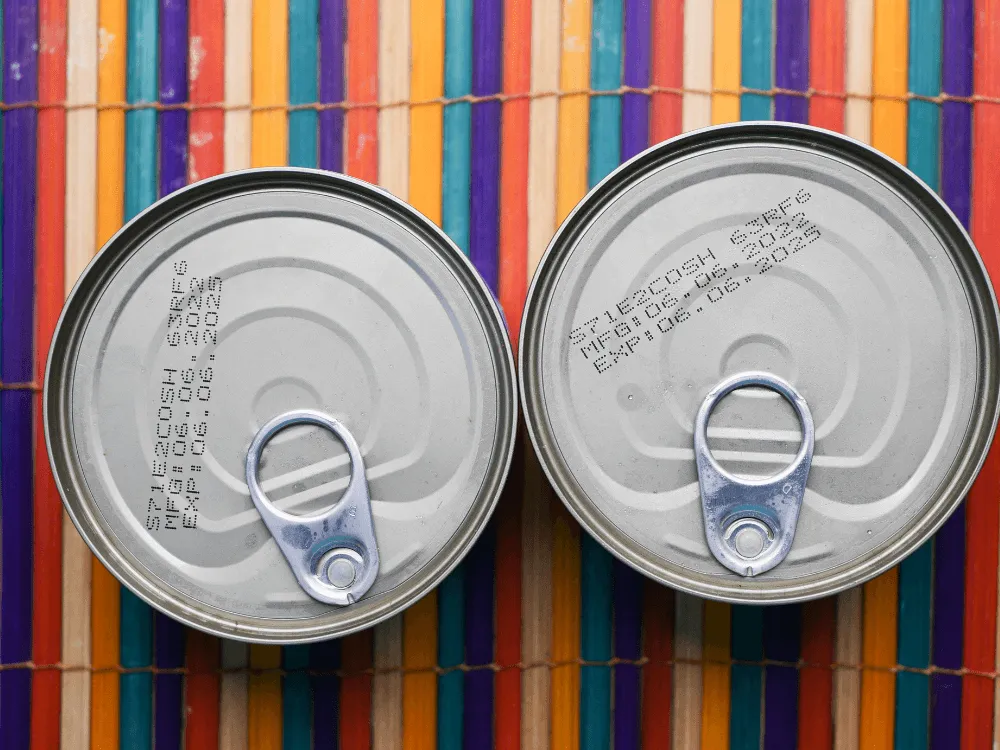
California Passes Game-Changing, First-In-The-Nation Law To Standardize Date Labels
This past weekend, California Governor Gavin Newsom signed the nation’s first legislation to standardize quality and safety date labels on food products “to create clarity and consistency and better inform consumers in order to significantly reduce food waste in the state.”
-
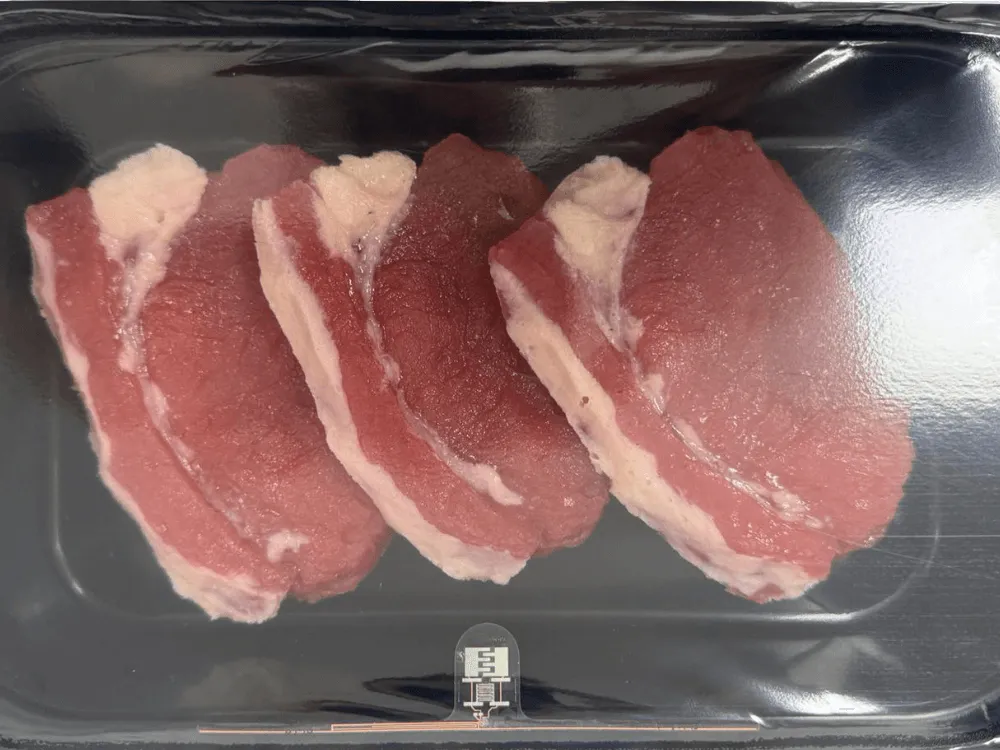
GUEST BLOG: A Fresh Approach: How BlakBear is Digitizing Date Labels to Minimize Food Waste
Fixed dates on food are everywhere, relied upon by retailers, manufacturers, restaurants and consumers around the world. But instead of a fixed date, food should actually tell you how fresh it is. BlakBear is using digital use-by dates based on freshness data from the food itself.
-
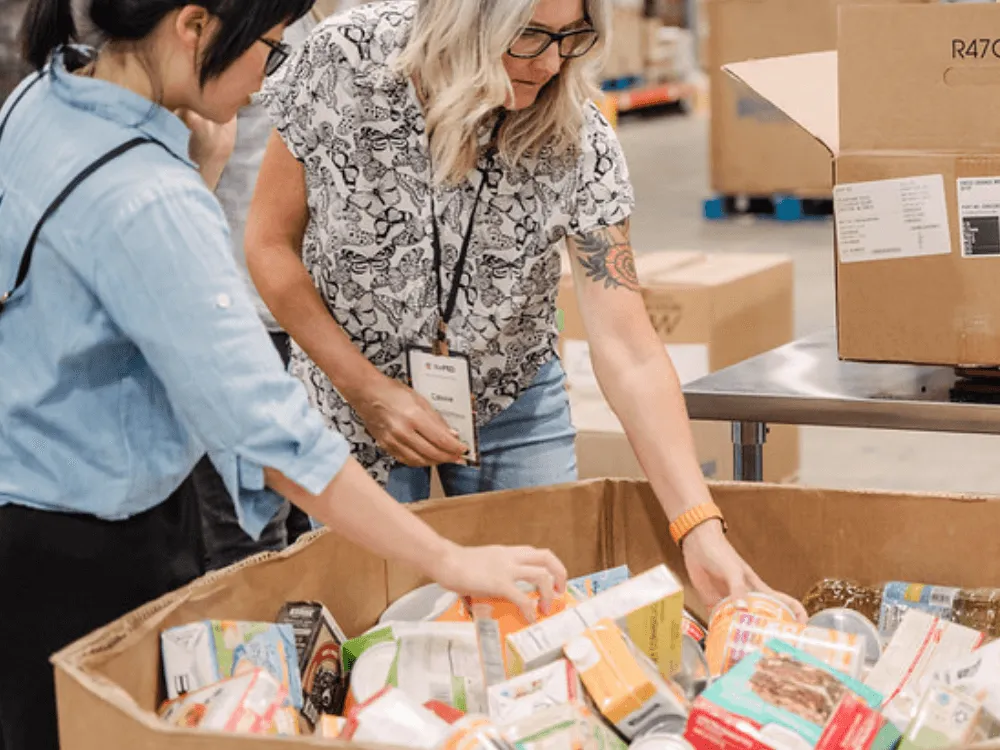
Five Food Waste Solutions: Food Recovery
While 38% of food produced in the United States becomes surplus, only 2.1% ends up being donated. Here are five solutions that work in tandem to address food recovery and increase donation rates, ensuring that food is nourishing people first and reducing the chance of it becoming waste.
-

2024 Trends in Domestic Food Waste Legislation
Thirteen unique federal bills addressing domestic food waste are pending before Congress with none passed. On a state level, 22 states have proposed 85 pieces of food waste-related legislation, of which 69 remain pending, nine have passed, and seven have failed.
-

Why We Funded Food Cycle Science: Making Food Waste Diversion Solutions Accessible to Everyone
Food waste is a problem that negatively impacts the economy and the environment. These challenges present an opportunity for creative business models and partnerships that can rapidly provide consumers with access to food waste diversion solutions, which is why we funded Food Cycle Science (FCS) through the ReFED Catalytic Grant Fund.
-

Americans Will Waste More Than 120 Million Pounds of Food On The Fourth Of July
On a national level, the food that will be wasted on the Fourth of July will amount to more than $12 million in lost value, as well as lost resources. But we can celebrate the holiday in a way that honors the legacy of our country while also helping preserve its natural resources for future generations to come.
-

Sam Buck: Building Philanthropic Connections to Accelerate Change Across the Food System
Curious about philanthropy's role in the food waste movement? Our very own Sam Buck provides insight into his journey working in development and building relationships with philanthropic funders to make long-term impact.
-

Top 7 Reasons You Should Come To The 2024 ReFED Food Waste Solutions Summit
We’re excited to convene the food community to talk about progress, solutions, and remaining challenges in Baltimore this summer at the 2024 ReFED Food Waste Solutions Summit—and with just two months left until the big event, we thought we’d put together this list of reasons why you don’t want to miss it!
-
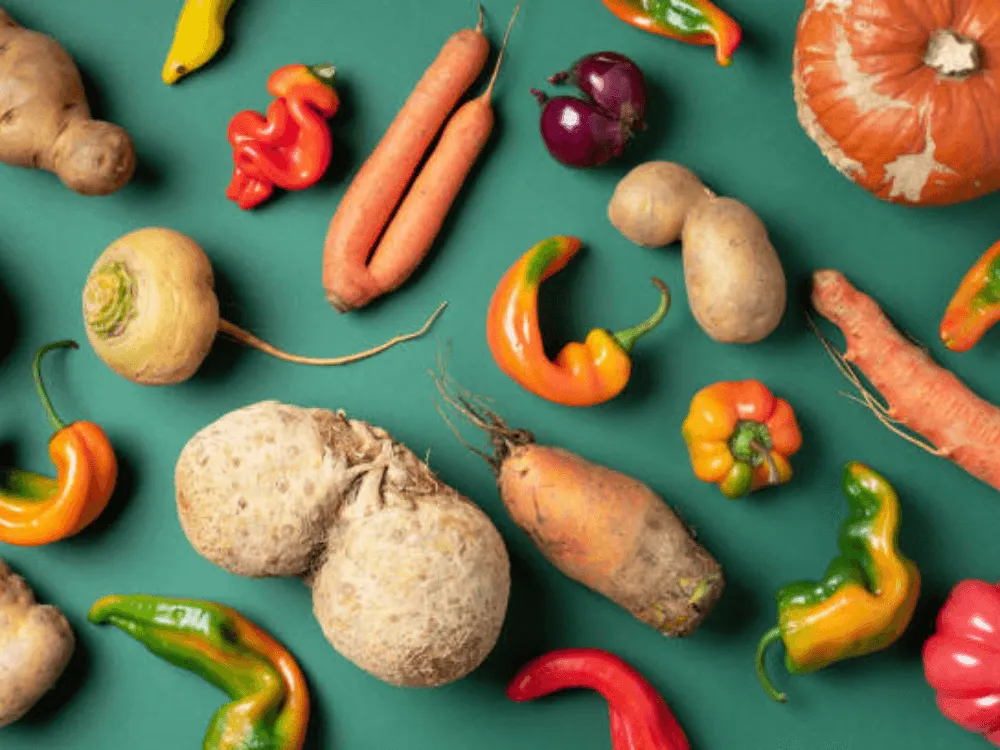
Five Strategies For Reducing Greenhouse Gases Through Food Waste Reduction
Food waste accounts for 6.1% of GHG emissions in the U.S., the same amount generated by 30% of U.S. passenger vehicle transportation. This – and its strong ties to methane emissions in particular – makes reducing food waste a top solution to slowing down climate change.
-
Jackie Suggitt: Leading the Charge on Food Waste Reduction for Businesses Across the Supply Chain
Meet ReFED's Director of Capital, Innovation, & Engagement Jackie Suggitt, as she discusses her journey to food waste reduction, its place in business operations, and the importance of cross-sector collaboration.
-
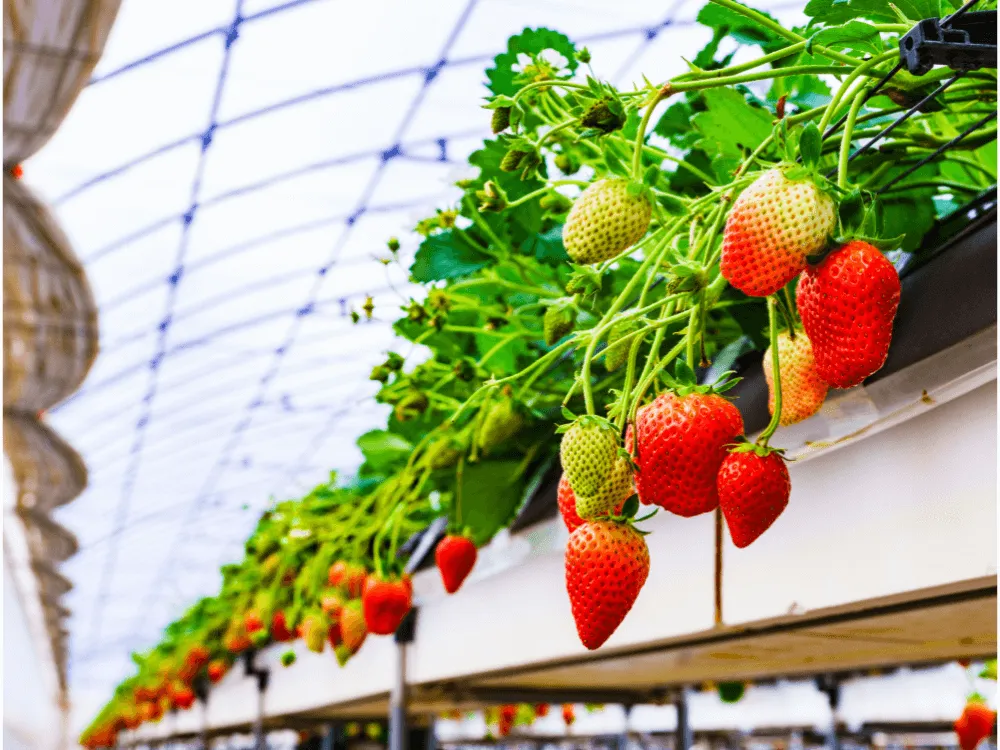
New PCFWC Case Studies Show Value of Whole Chain Collaboration
Through their Whole Chain intervention project, the Pacific Coast Food Waste Commitment led the nation's first cross-sector pilot project that tracked the food loss and waste generated by two products at multiple points in the supply chain.
-
ReFED Launches Search for Addition to Executive Team
On the heels of a transformational gift from Ballmer Group that will help ReFED grow significantly in 2024, the addition of a new Executive Director – and the transition of Dana Gunders to President – will expand our capacity to continue serving the needs of the food waste space.
-
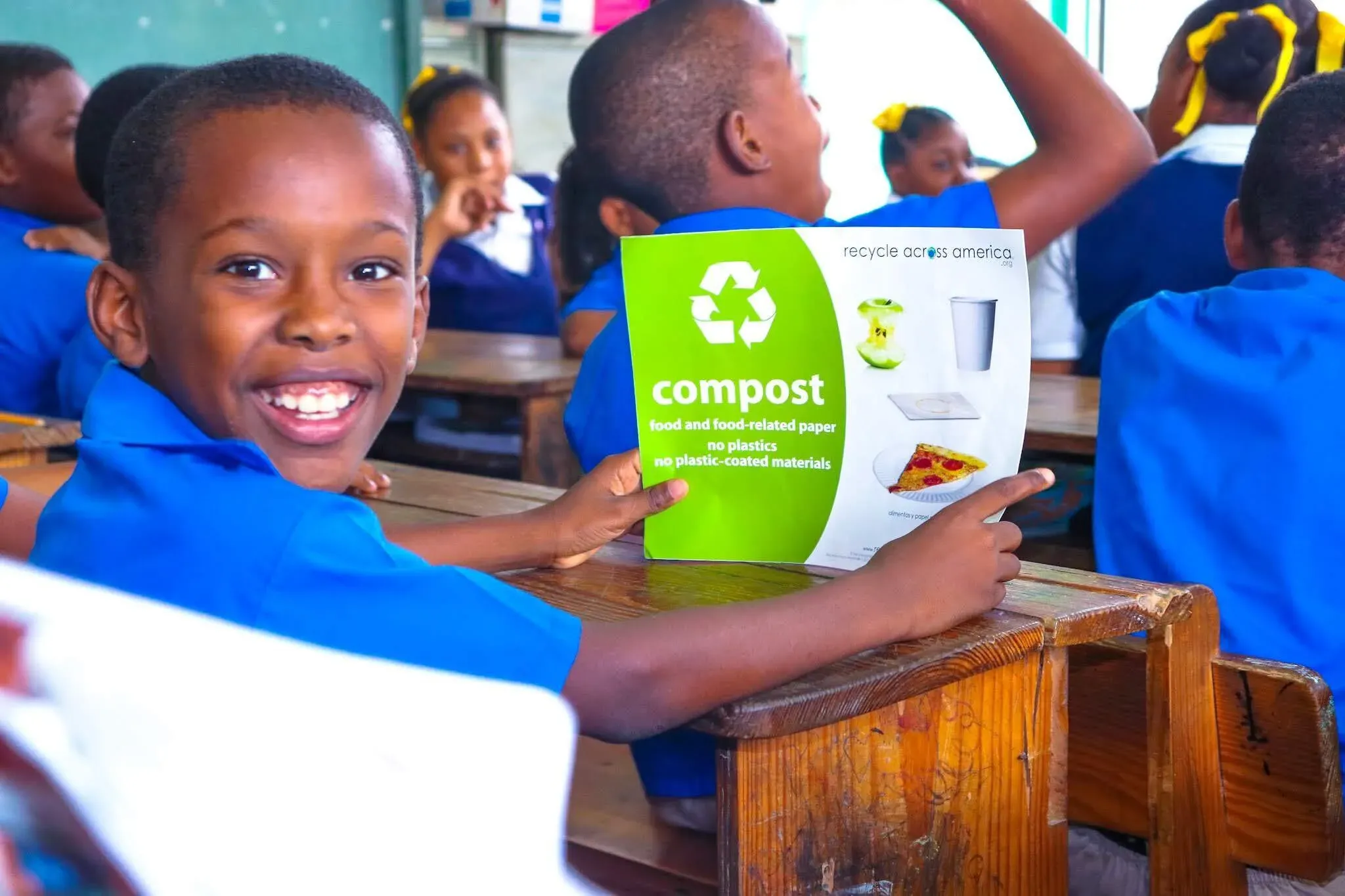
GUEST BLOG: Turning the Tide: How Siel Environmental is Pioneering Food Waste Innovation in the Caribbean
Siel aims to collaborate with government entities, businesses, and grassroots organizations to play a pivotal role in establishing a sustainable framework for managing food waste in the Caribbean.
-
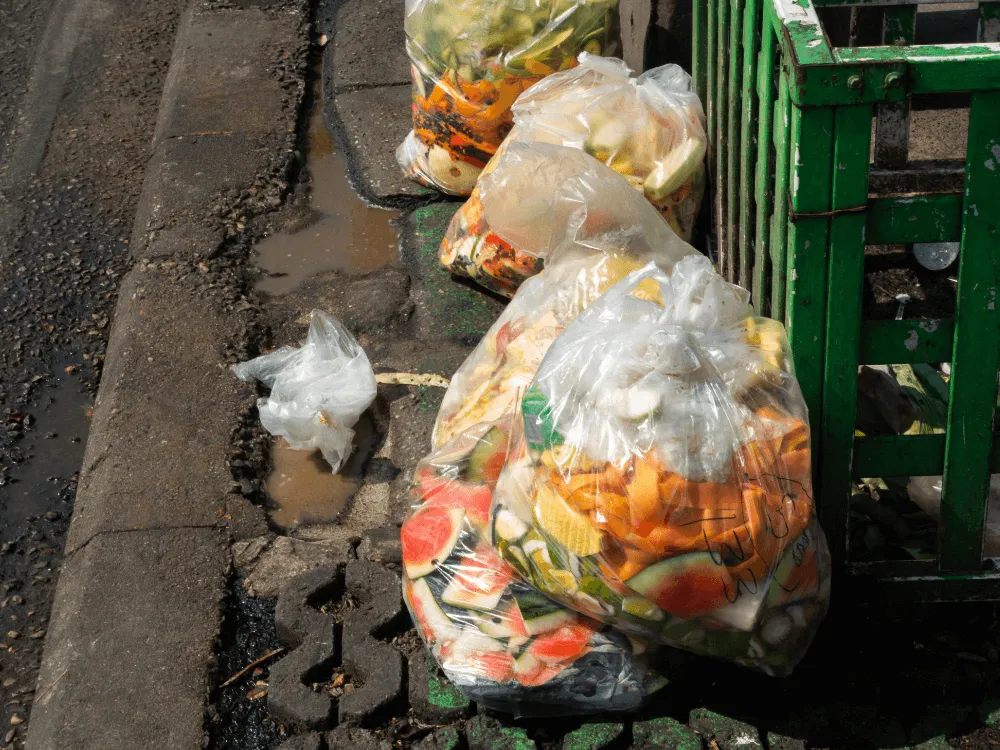
GUEST BLOG: If Your Climate Action Plan Doesn't Include Food Waste, Here's Why You Should Add It Before the March 1 Deadline
This guest blog by WWF's Senior Director of Food Waste Pete Pearson explores the opportunity for food waste action in proposals for the EPA's Climate Pollution Reduction Grants (CPRG).
-

Federal Grants Database Centralizes Funding Opportunities
One of the biggest challenges for organizations working to advance food waste reduction has been accessing funding to develop and scale solutions. A critical source of funding to reduce food waste comes from federal grants, which is why ReFED has partnered with NRDC on this important new resource.
-
Looking Ahead: Forecasting Food Waste Reduction Progress in 2024
Each year, ReFED takes a look at the food waste landscape and gives thoughts on what might be the biggest moments for the movement in the coming year. From an increased focus on methane to potential policies in all levels of government, here is the 2024 food waste forecast.
-

Notes on COP28: Food Loss and Waste Took Prominent Role
Food was spotlighted at this COP far more than ever before, and this was the first year there was a formal Food Day as part of the official schedule. More than 150 countries signed onto the “COP28 UAE Declaration on Sustainable Agriculture, Resilient Food Systems, and Climate Action” – and notably, reducing FLW is one of only a handful of specific actions mentioned.
-
Slow Progress, Big Opportunities: Insights from ReFED's Food Loss and Waste Estimates for 2022
The United States continues to struggle to reduce food surplus and waste across the food system, according to ReFED’s updated estimates for 2022. Last year, 88.7 million tons of food went unsold or uneaten in the U.S. – roughly 38% of the country’s total food supply.
-
ReFED Receives Transformational Grant From Ballmer Group
This is a watershed moment for ReFED, as it positions us to continue doing what we do best – providing a unique combination of systems-level issue leadership paired with tools, resources, and support for the businesses and organizations on the ground who are directly driving change.
-
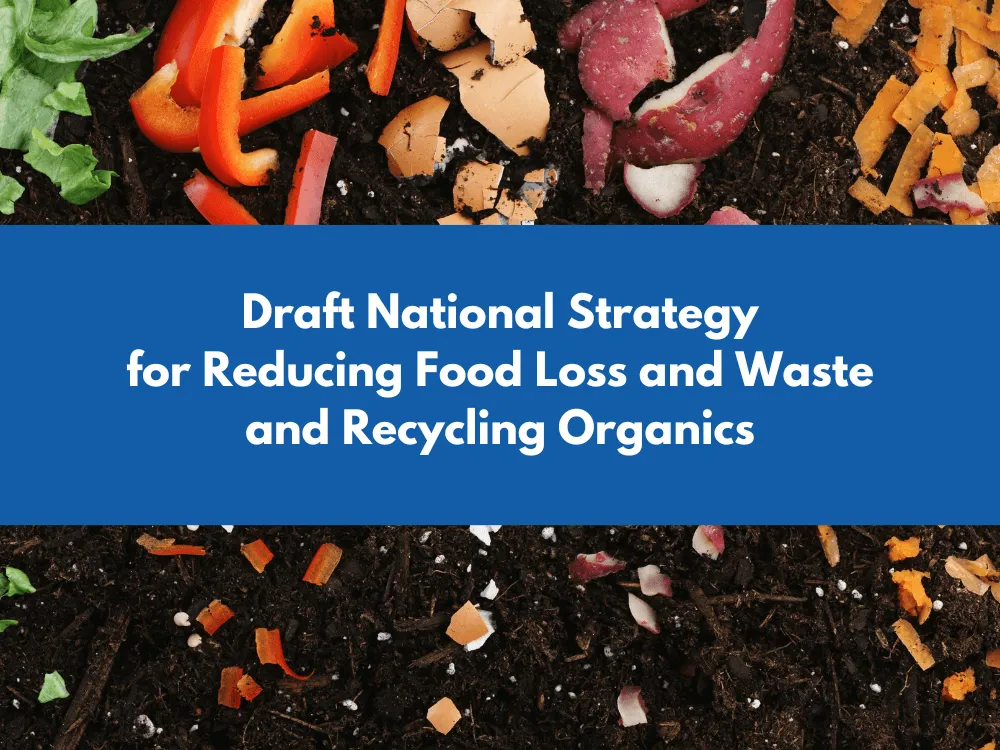
New Draft National Strategy is a Big Step Forward - But Gaps Remain
Part of the Biden-Harris Administration’s “whole-of-government” approach to fighting climate change and advancing a circular economy, much of the strategy covers existing efforts from USDA, EPA, and FDA, but there are also some interesting new initiatives.
-

GUEST BLOG: Unearthing New Technologies – How Black Soldier Flies Help Reduce Food Waste
Reducing surplus food is an overwhelming challenge. Insect agriculture is an exciting new solution that organizations such as Stratium have adopted for reducing food waste by managing nutrient-rich organic materials.
-

Alex Coari: Driving Capital and Innovation to the Fight Against Food Waste
As ReFED’s Vice President for Capital, Innovation, & Engagement, Alex oversees a team working to catalyze the billions in public, private, and philanthropic capital needed to scale innovation and accelerate the adoption of food waste solutions by food businesses.
-
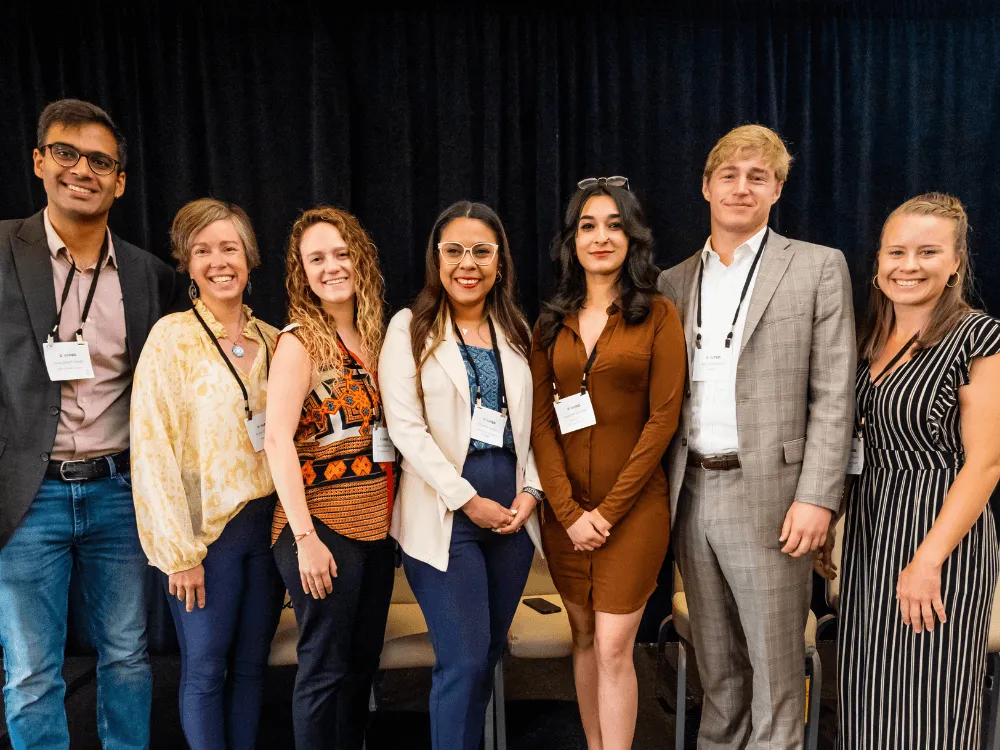
Introducing the Future Leaders of Food Waste Reduction in the 2023 EDF Climate Corps Food Waste Fellowship
Launched in 2022, the Climate Corps Food Waste Fellowship offers companies the opportunity to work with a Summer Fellow supported by ReFED and Environmental Defense Fund to design and support the implementation of food waste reduction initiatives to achieve broader climate goals.
-

Embracing Latino Heritage to Transform our Food System and Reduce Food Waste
Join us this month in celebrating the immense impact of Latino food workers on our food system and their tireless efforts to reduce food waste. Their practices not only nourish our bodies but also our planet for generations to come.
-

Halfway to 2030: Leveraging State Policy to Halve Food Waste
To help stay abreast of developments in the policy landscape, ReFED and the Harvard Law School Food Law and Policy Clinic partner to update and maintain the Food Waste Policy Finder, an online resource that allows users to explore legislative and regulatory food waste policies at the federal, state, and local levels.
-
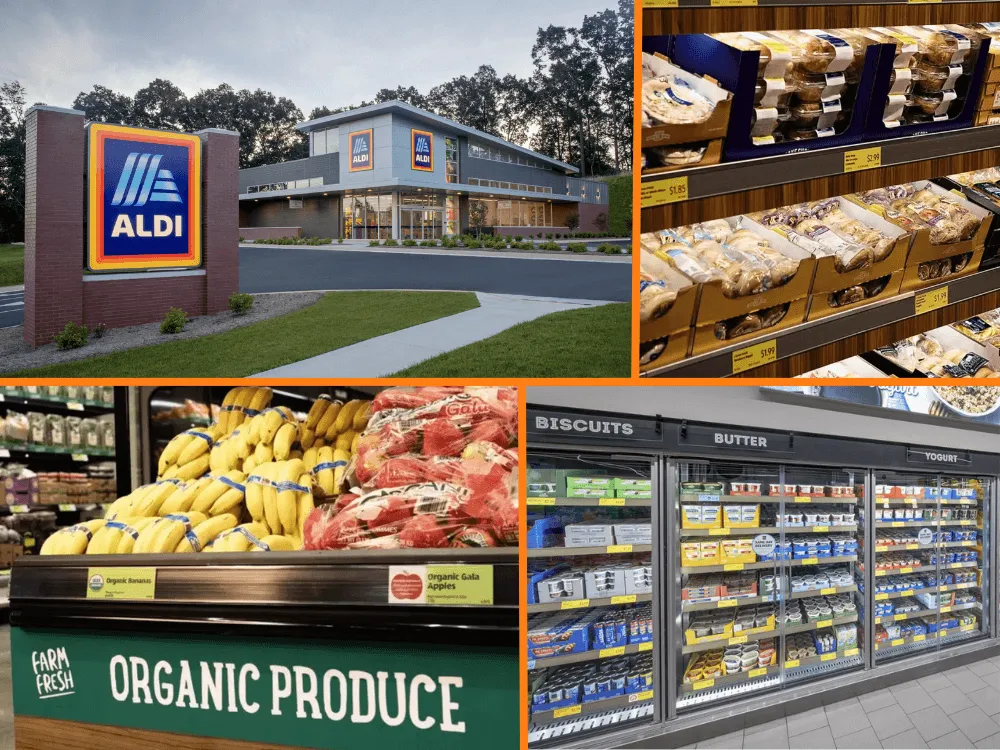
ALDI Partners with Pacific Coast Food Waste Commitment to Help Cut Regional Food Waste in Half by 2030
The retailer’s 99 stores across California will be collaborating with industry peers to share data, best practices, and operational insights to accelerate collective progress in reducing food waste.
-

GUEST BLOG: Seven Metro Detroit Restaurants are First in the U.S. to Receive "The PLEDGE on Food Waste" Certification
The PLEDGE is a global certification program, with a focus on food waste prevention, motivating <a href="https://refed.org/our-work/business-services">food service businesses</a> to monitor and reduce waste and establish new standards of excellence that are linked with sustainability.
-

Patrick J. McGovern Foundation Partners with ReFED to Advance AI and Data Solutions to Fight Food Waste
ReFED is excited to announce that we have been awarded a transformative grant from the Patrick J. McGovern Foundation to further improve our understanding of how data and technology can be leveraged to reduce food waste at scale.
-
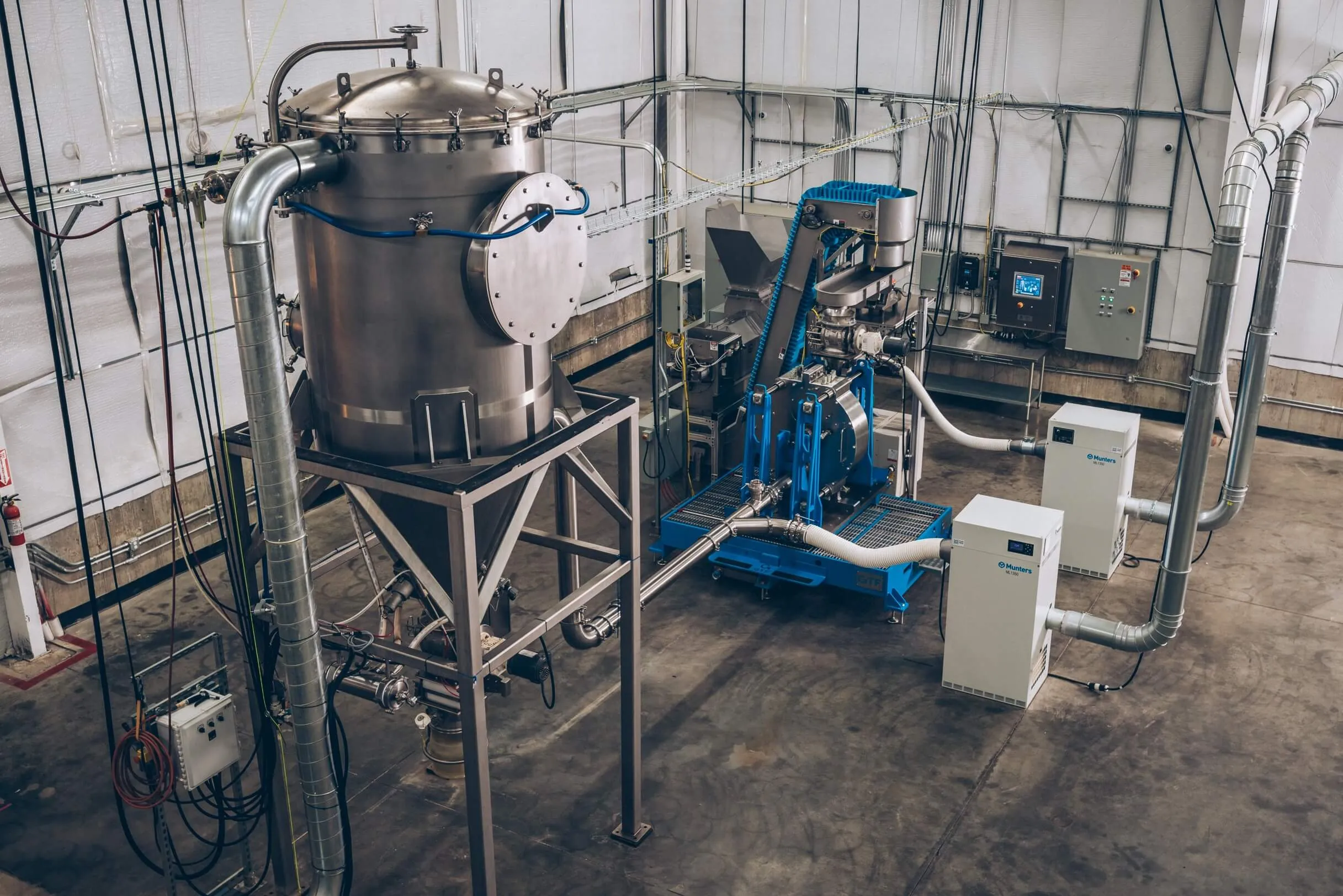
GUEST BLOG: Food Processors Can Reduce Waste While Increasing Profitability – Here’s How
The most significant barrier to recovering food waste is the time and cost of transporting heavy, high-moisture foods before they begin to decompose. Stabilizing them at the food processing facility before transportation is critical.
-
How Retail Surplus Data from the Pacific Coast Food Waste Commitment Is Improving ReFED's Food Waste Models
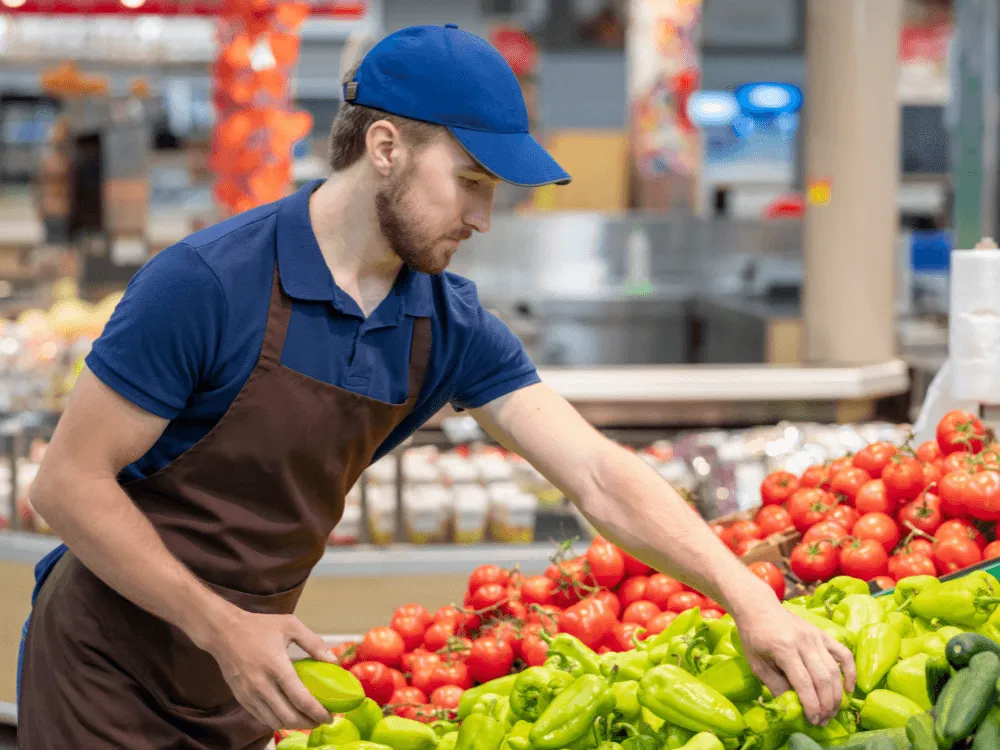
The PCFWC retail surplus data represents the only U.S. retail food waste measurement that is repeated consistently, and it perfectly aligns with ReFED data models that estimate overall food waste in the retail sector for the entire country.
-
Food Waste and JEDI: LGBTQIA+ Intersections
Building on our recently published landscape assessment – "Building a Food System that Works for Everyone: A Look at the Intersection of Food Waste with Justice, Equity, Diversity, and Inclusion" – we’re sharing additional research and information about issues specifically affecting the LGBTQIA+ community.
-

Amount of Philanthropic Funding into Food Waste Solutions Is Insufficient to Meet Needs
ReFED estimates that $1.4B in non-governmental, philanthropic funding is needed annually to put the country on a path to making significant food waste reductions by 2030. But the hard truth is that the historical philanthropic numbers don’t approach the need by a surprisingly large margin.
-
GUEST BLOG: How Martie is Making Sustainability Accessible for Everyone
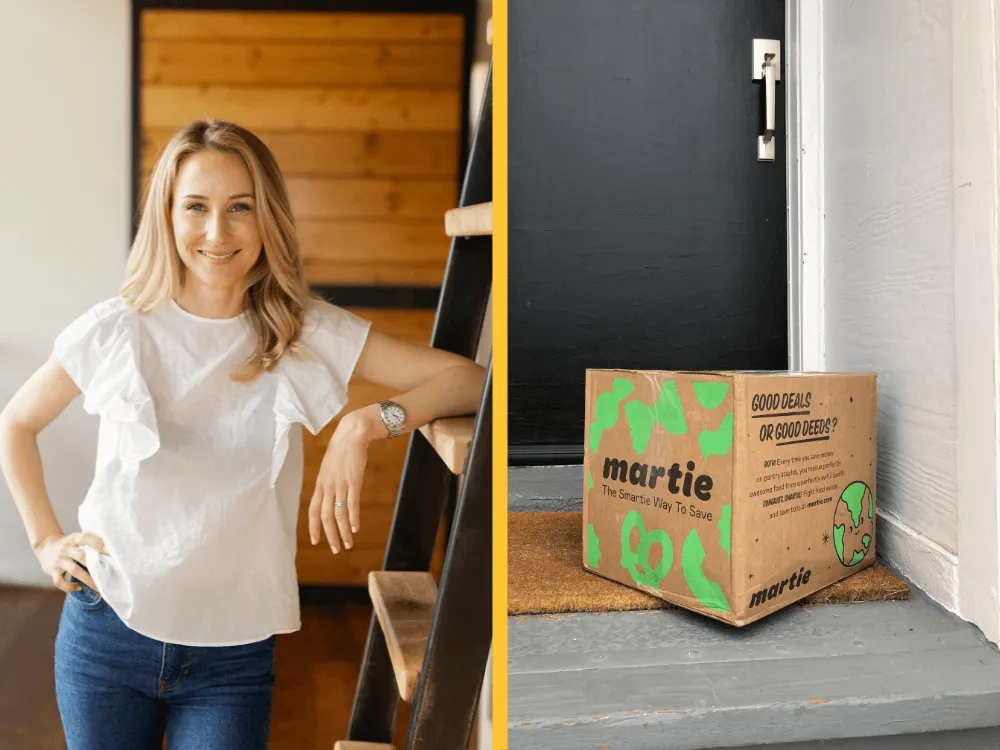
Through buying surplus and overstock shelf-stable groceries that would otherwise go to waste and offering it to consumers at 40-70% off normal retail prices, Martie allows anyone that is looking to spend less on groceries to automatically make choices that are good for our environment – and their wallets.
-

Community, Commitment, and Catalyzation at the 2023 ReFED Food Waste Solutions Summit
Reducing food waste has many solutions, and it all begins with a strong community making the commitment to work together. That means entrenching values of inclusion and diversity, as well as the willingness to prioritize pre-competitive sharing and open dialogue.
-
ReFED's New Estimates on Food Waste in the United States: 2020-2021, Trends, and COVID-19 Impact
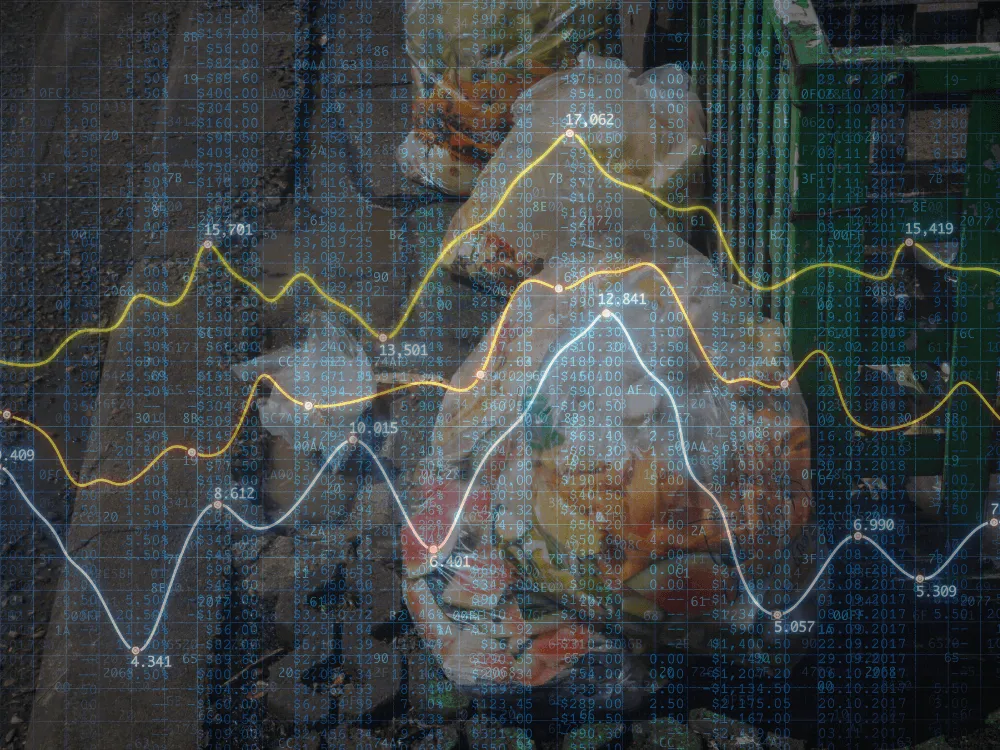
Last month, ReFED released the inaugural update to the Insights Engine’s Food Waste Monitor, Solutions Database, Impact Calculator, and Policy Finder. Here's a deeper dive into the numbers and what they mean for decision-makers working to reduce food waste.
-
Key Learnings from the First Open Call of the ReFED Catalytic Grant Fund
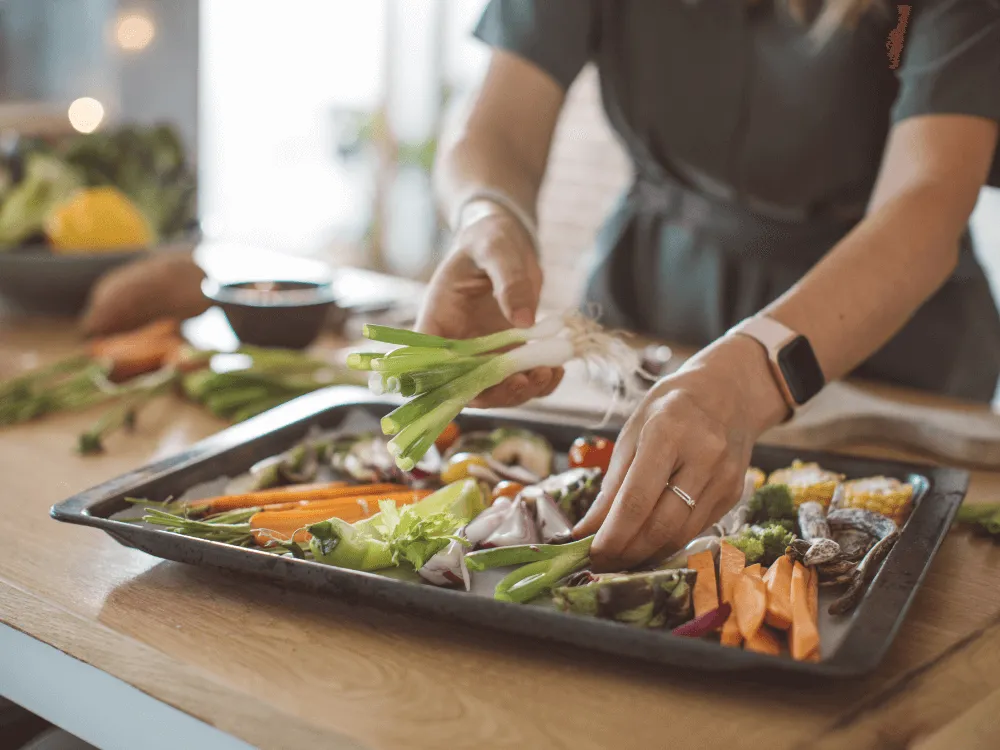
Estimates from ReFED’s Insights Engine show that consumers are the most significant generators of food waste and point to an enormous “remaining opportunity” of a large volume of food surplus that is currently unaddressed by our modeled solutions. This indicates that the area is ripe for innovation.
-
GUEST BLOG: Contaminated Food Scraps Bins? Ask These Three Questions to Find Out Why
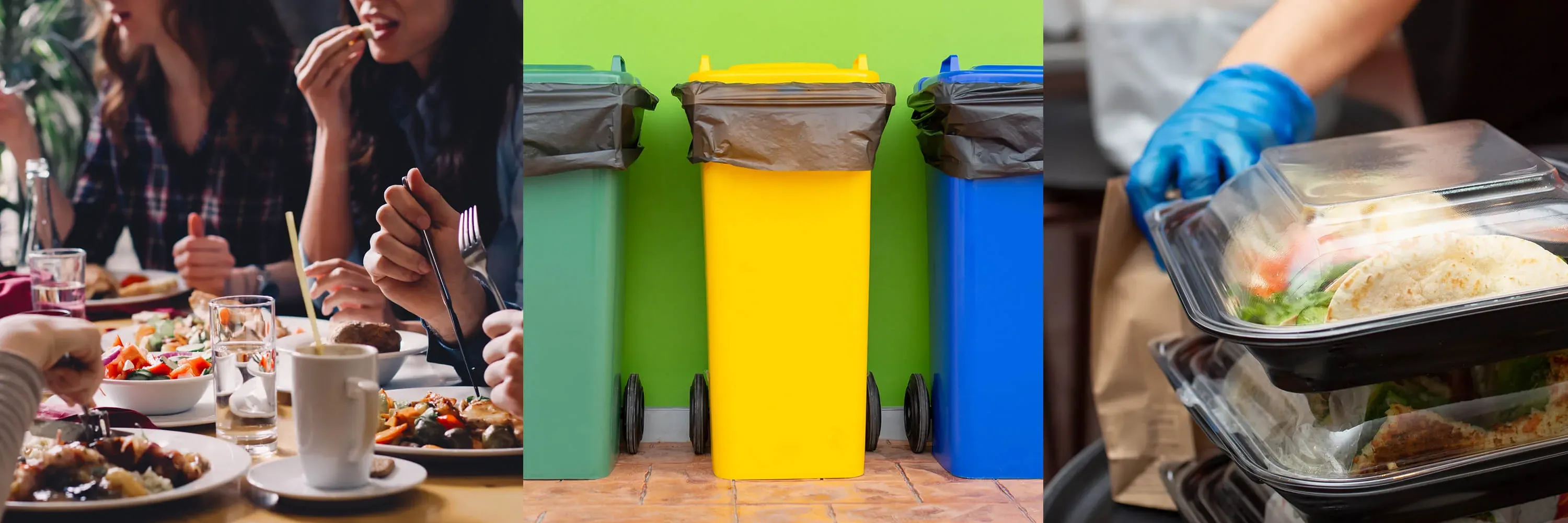
If you’re a food service or food retail manager at a site with a food scraps diversion program in place, you probably appreciate everything that it takes to keep it going smoothly. And, chances are, you know that bin contamination is one of the most common stumbling blocks such programs face.
-

Leading NGOs Launch Coalition to Advocate for Food Waste Policy
ReFED joins Natural Resources Defense Council, World Wildlife Fund, and the Harvard Law School Food Law and Policy Clinic to launch the Zero Food Waste Coalition, a national effort focused on informing and influencing policy at the local, state, and federal levels and sharing policy updates and opportunities for engagement with partners and stakeholders around the country.
-

Alejandro Enamorado: Catalyzing Food Waste Funding with Tools and Insights
As a Senior Manager on the Capital, Innovation, & Engagement team at ReFED, Alejandro monitors and analyzes food waste investment and develops tools and resources to make that information accessible and actionable for capital providers and solution providers alike.
-

ReFED Catalytic Grant Fund Announces Grants to Seven Organizations to Reduce Consumer Food Waste in First Open Call
The Grant Fund was designed to provide nonprofit and for-profit organizations with impact investments to de-risk and scale high-impact solutions. The grantees have been provided catalytic funding in the form of recoverable and non-recoverable, non-dilutive grants to advance their efforts to fight consumer food waste.
-
International Women’s Day: Expanding Opportunities by Embracing Equity
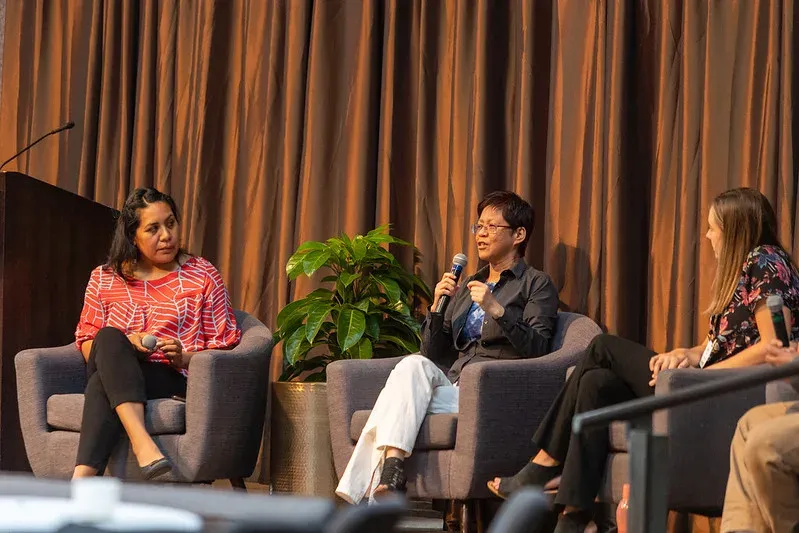
The theme for this year’s International Women’s Day is #EmbraceEquity by recognizing that people don't begin life with the same circumstances, and that can make it more difficult for them to achieve the same goals. What does this mean for food waste?
-
GUEST BLOG: Food Waste In America: One Big Issue, Many Possible Solutions
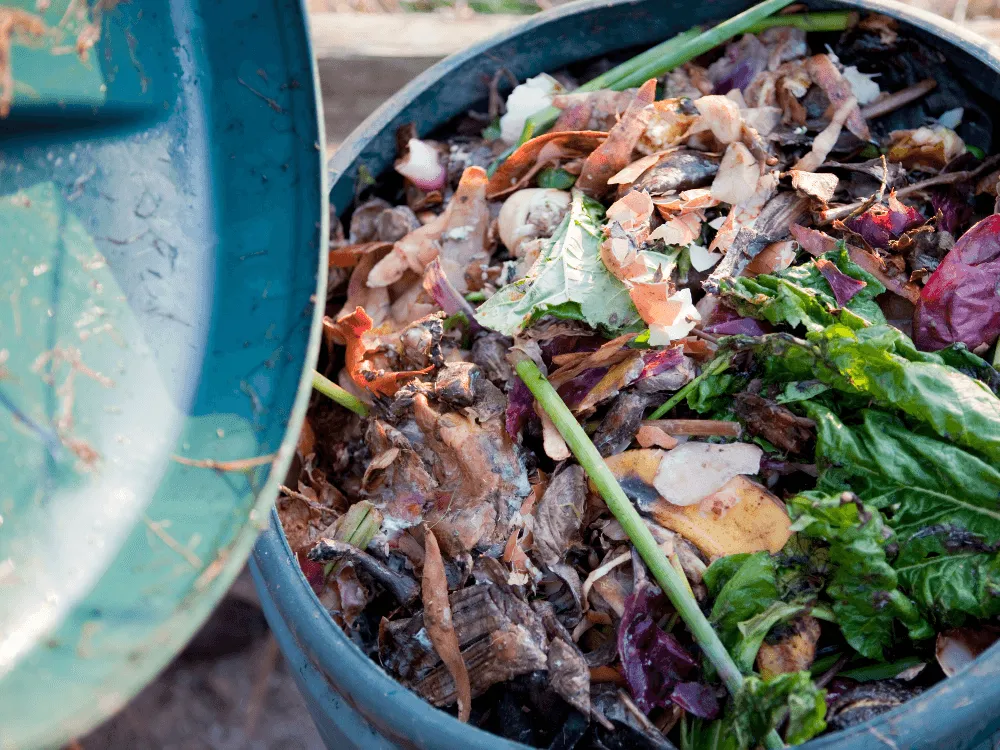
35% of all food goes unsold or uneaten in the United States. If this fact doesn’t shock you, it’s probably because you’ve heard it before. America’s food waste problem is common knowledge among stakeholders in the food and beverage industry. So are the environmental, social, and economic issues linked with this gargantuan inefficiency.
-

Rooted in A Zero Waste Culture: Celebrating Black History Through Food and Ingenuity
Started in 1976, Black History Month is a time to recognize and celebrate the culture and heritage of African Americans throughout history. Black history is fundamentally American history — one steeped in ingenuity, persistence, and invaluable contributions to our nation’s social fabric — and it can often be traced through food.
-
A Muted 2022 Leads to a Hopeful but Uncertain 2023
After a month of reflecting on 2022, it is safe to say that the overall market slowdown is also affecting food waste funding. However, members of ReFED’s Food Waste Funder Circle remain positive on the space according to our end-of-year sentiment survey.
-

How ReFED's Summit Helped Spur Food Waste Prevention Week
In 2023, Food Waste Prevention Week will be a national campaign, with leaders from across the country involved in planning the event. In just two short years, Fiore has leveraged her passion – and the growing food waste community – to start a movement at the local level and take it to a much larger scale.
-
Pacific Coast Food Waste Commitment Releases First Three Case Studies
Following two very challenging years in the pandemic, the PCFWC is thrilled to publish the first set of case studies from these intervention projects, in what will become a regular series in 2023 and beyond. These case studies aim to surface learnings and insights that might not otherwise be shared, and to de-risk high-potential strategies that the broader private sector can more widely adopt to reduce food waste.
-

Thanksgiving Dinner Will Result in 305 Million Pounds of Food Waste in the U.S.
Americans will waste more than 305 million pounds of food this Thanksgiving. It is difficult to imagine an amount that large, but picture around one pound of food being wasted by every person in the country. That is a serious problem that comes with some very damaging effects – and with inflation on the rise, the effect on people’s wallets will be felt more than usual.
-

The ReFED Catalytic Grant Fund's Inaugural Open Call is Now Accepting Solutions That Target Consumer Food Waste
Applications are now being accepted for the inaugural open call of the ReFED Catalytic Grant Fund for food waste solutions. For this inaugural call, the Catalytic Grant Fund will focus on enabling consumers to actively reduce wasted food. Letters of Intent must be received by November 30, 2022
-
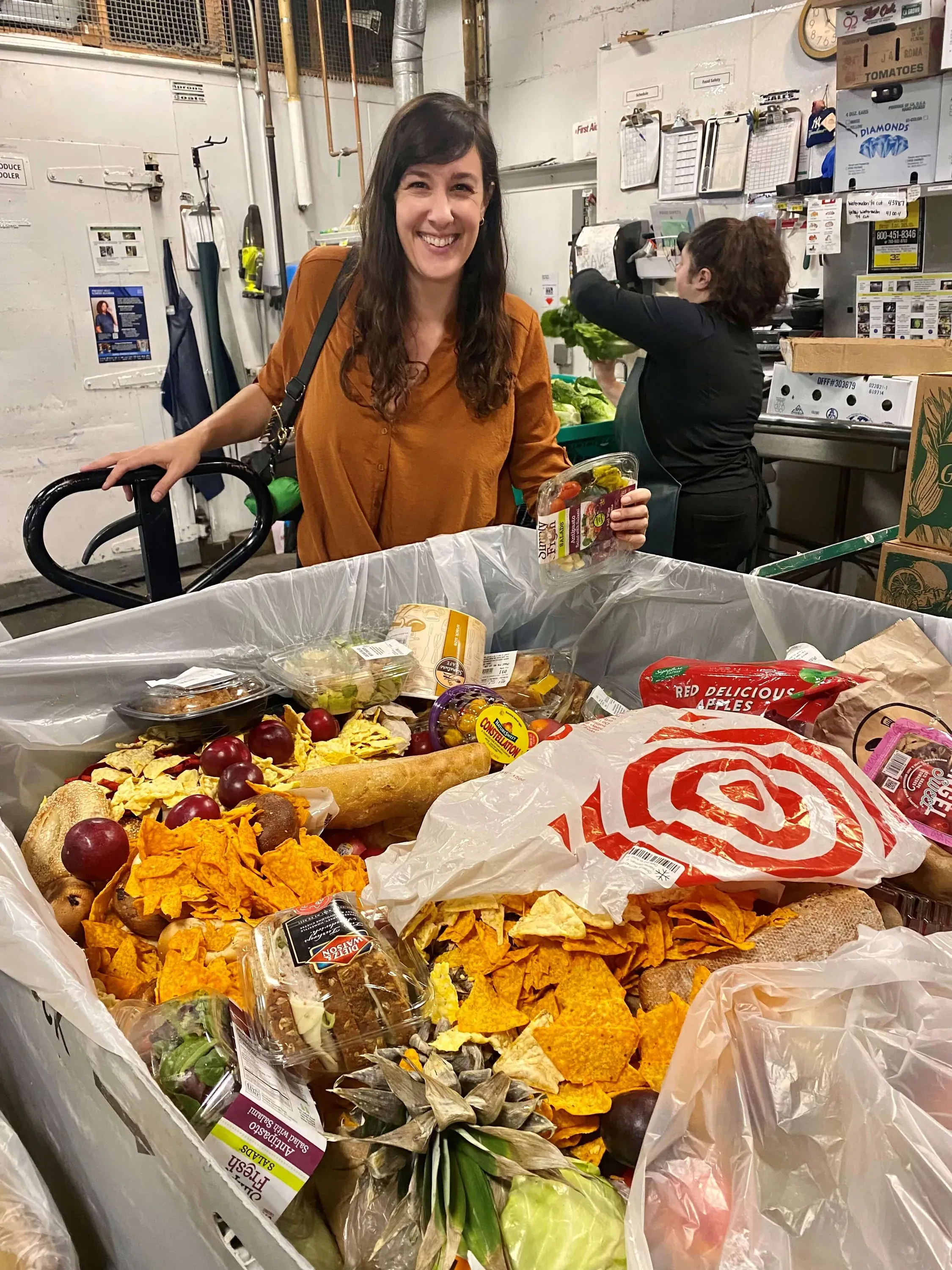
GUEST BLOG: How Outdated Liquidation Programs Contribute to Food Waste
Liquidation programs have been a staple of the Consumer Packaged Goods (CPG) manufacturing industry for decades as a strategy to handle excess inventory, but a majority of these companies’ programs are outdated and inefficient. As a result, companies are not recovering money on inventory that doesn’t get sold to primary retailers and are instead disposing of excess inventory and contributing to food waste.
-
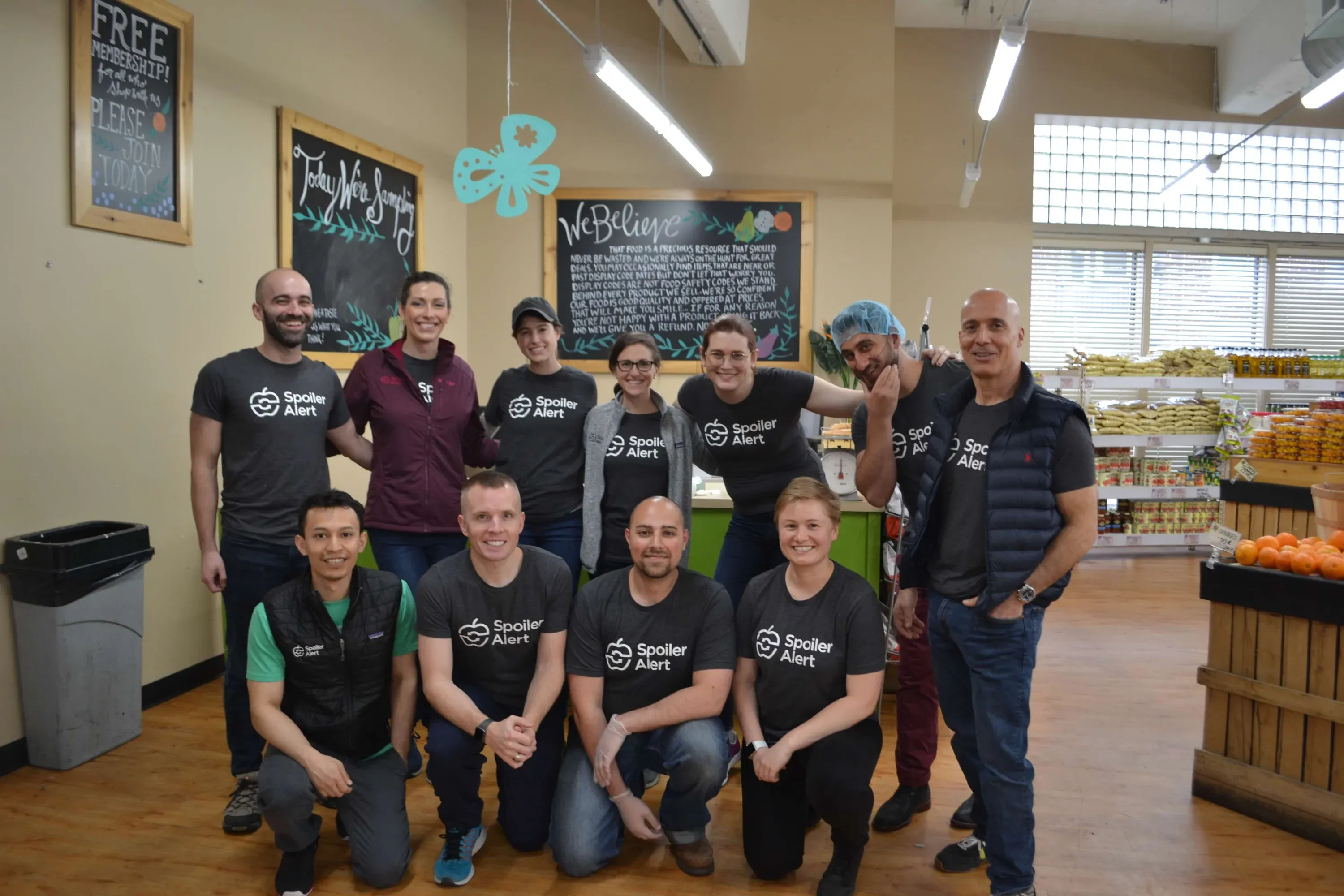
Inaugural Climate Corps Food Waste Fellows Show Impact
Earlier this year ReFED partnered with Environmental Defense Fund (EDF) to launch the first-ever Climate Corps® Food Waste Fellowship, an exciting opportunity for organizations and leading food businesses to have a dedicated custom-matched graduate student help advance its food waste reduction and climate goals. This partnership represents the first of its kind collaboration between an established, international fellowship program and an organization with deep food and corporate relationships expertise.
-

Using Data To Deliver Customized Food Waste Solutions
The “Target-Measure-Act” framework is recommended globally to drive food waste reduction efforts, yet many businesses struggle to accurately track food waste throughout their operations. Without this data, they don’t know where to focus their waste reduction efforts, nor how they stack up against others in their industry. It’s a critical challenge that is impeding efforts to achieve 2030 food waste reduction goals.
-

After 2021's Jump, Food Waste Investment Returns to Normal Levels in 2022
After a record year for U.S. private funding toward food waste in 2021, the total amount of investments in 2022 has seen a leveling off, primarily driven by the challenging macro environment. Most notably, the decline in venture capital activity relative to 2021 (seen below) has made a dent, but it’s important to note that it is closer in line with historical averages. Private equity has followed a similar trajectory to VC, while mergers and acquisitions are down globally but not to the same degree.
-
GUEST BLOG: To Reduce Food Waste, Investors and Community Organizations Need To Be At The Table
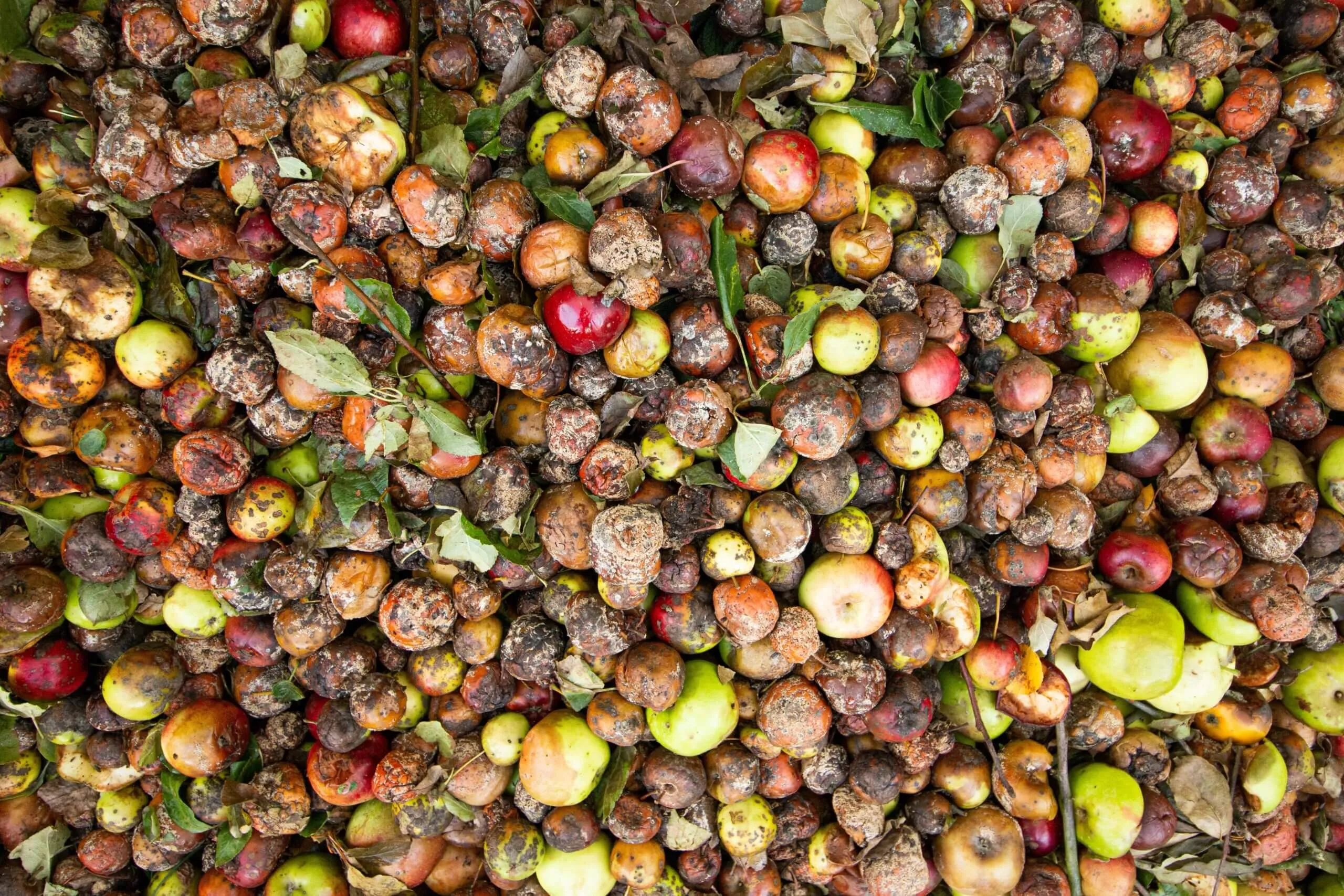
Food waste is created at every point in our current food supply chain––on the farm, during manufacturing and transportation, on store shelves, at restaurants, and in our homes. Today, most of that uneaten food ends up in landfills, or is otherwise disposed of––an economic dead end, and a social and environmental risk.
-
GUEST BLOG: The Future of Food Banking
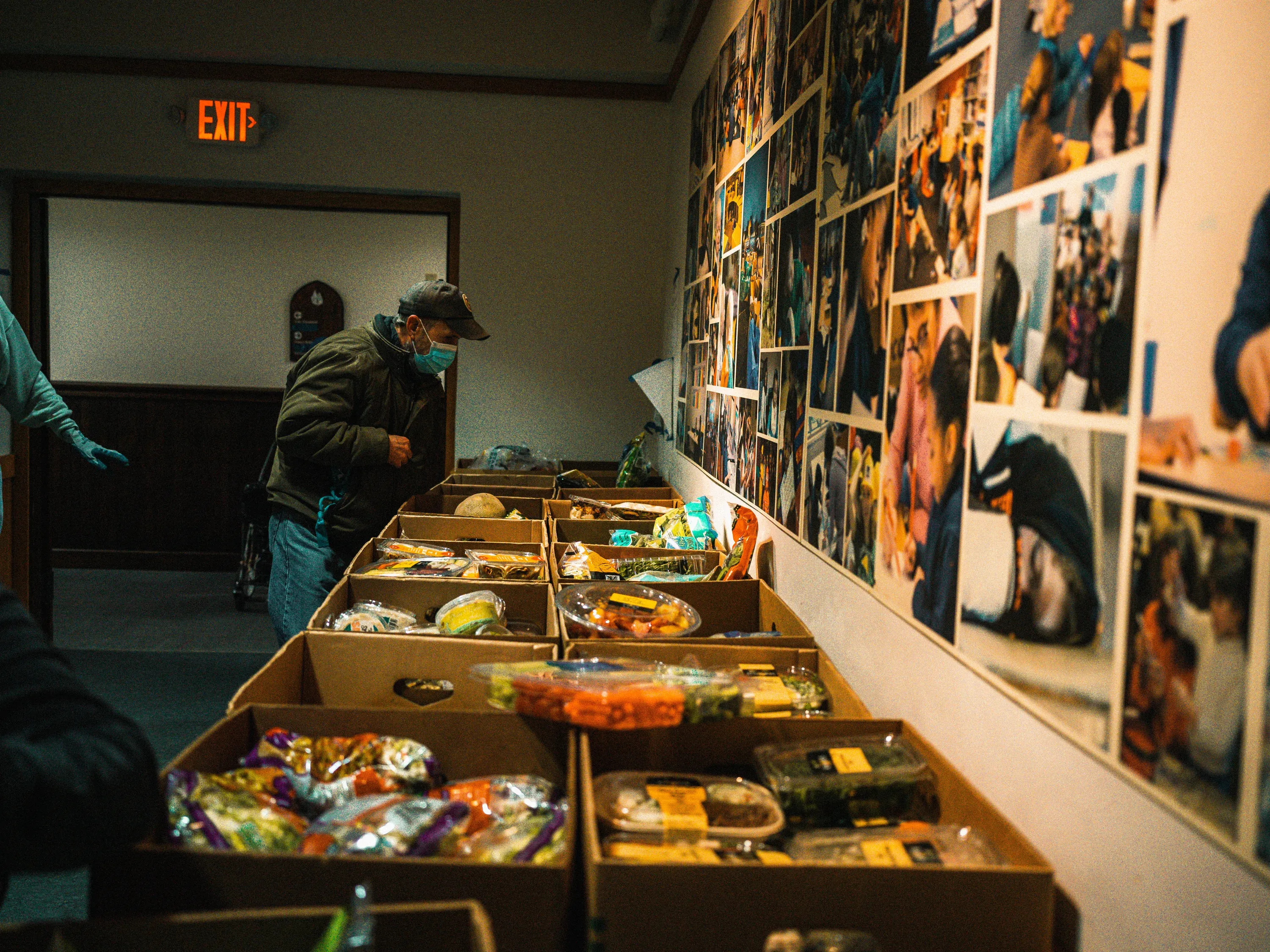
A perfect storm gathers over food rescue in 2022 – hunger is rising, but food donations are decreasing. The pandemic and its effects have made a mess of things. The legacy model of food banking is inadequate for what lies ahead. As a food banker in retail rescue, I’m on the front lines of the fight against falling food donations. People like me across the country have been scrambling to feed our neighbors with dwindling resources. Is this a death knell for food banking? Not quite. But it’s a warning – to survive, we need get moving.
-

GUEST BLOG: The Urgent Need for Governments to Commit to Food Loss and Waste
I have a confession: I want to leave my current job by 2030. That is the date the world has set to realize a 50% reduction in food waste. Working for the world’s largest conservation organization on some of the biggest issues that will define our future, including the future of my own children, seems like something most people would be excited about. But the truth is, I wonder each day why it’s so difficult to get the world committed to ending food waste.
-
Six Things Every Business Can Do to Waste Less Food
If global food waste were a country, it would be the third largest GHG emitter in the world. Yet more than the food industry needs to be involved if we are to make a dent in reducing this problem—and reap the environmental, economic, and social benefits that will yield. Dana Gunders, Executive Director of ReFED, shares easy actions any sustainability leader can take at their own company.
-
The (Im)perfect Fit
Earlier this month, the imperfect produce channels space took a major step forward toward mainstreaming and potential adoption with the announced acquisition of Imperfect Foods by market leader Misfits Market. What makes this so notable is that they are two market leaders – and two of the first food waste unicorns.
-

GUEST BLOG: Why Investments In a Circular Food System Need To Happen Now
In the U.S., 35% of the food we produce goes unsold or uneaten. Whether this is because of too much food produced, too little harvested, food spoilage, or not recognizing the economic value of food byproducts, most of this surplus food ends up in the 1,000+ landfills operated around the country. If we look at U.S. landfills today, food makes up almost a quarter of the materials in them. A lot can be done to improve the resource efficiency of our food system today––and within this work lies a critical path to positive environmental impact and significant economic opportunity. According to the leading food waste non-profit organization ReFED, uneaten food is a major driver of greenhouse gas emissions today, generating 4% of U.S. and up to 10% of global emissions annually. These emissions come from many sources, ranging from unnecessary forestland conversion to excess energy use in food over-production to methane emissions during food waste decomposition.
-
GUEST BLOG: Sorry - But We Need Environmental Realism to Bring Sustainability to Scale
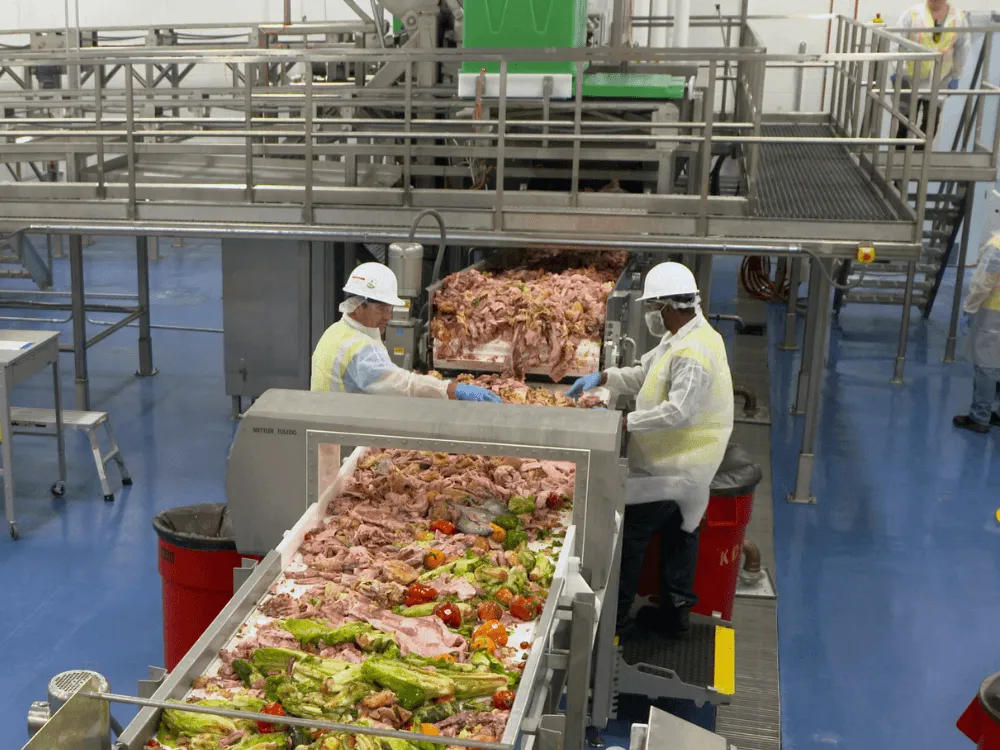
Whether you believe in climate change or not, this is just becoming a math equation. Resources are going down, while population and consumption are going up. Justin Kamine from Do Good Foods explains his vision for using consumerist models to solve environmental challenges.
-

Introducing ReFED's New Board Chair: Pamela Murphy
Pamela Murphy is a philanthropist and nonprofit board leader who joined ReFED’s Board of Directors in 2021. She has a background in finance corporate and management consulting, and has worked with nonprofits for nearly fifteen years with the sole goal of helping them achieve their environmental missions.
-
ReFED Donor Profile: The Tepper Foundation
How do nonprofits and foundations meet? Sometimes it’s through a board or staff member. Sometimes it’s an introduction from a peer or other supporter. Increasingly, philanthropists are seeking the advice and counsel of professionals who help them put their money to work on the issues they care about. That’s the role the Climate Leadership Institute (CLI) plays as they bring more and more funders to address the crisis of climate change. And as a long-time partner of ReFED, CLI made a match in late 2020 that is making big things happen – ReFED and The Tepper Foundation.
-

Inflation: How It's Affecting Food Waste
ReFED hosted a webinar to get at that question. Moderated by ReFED’s Jackie Suggitt, with expert panelists Dr. Brenna Ellison from Purdue University, Konstantin Zvereff from Blue Cart, and Erika Thiem from Feeding America, the discussion covered what we do and don’t know about how inflation is really affecting food waste across the food system.
-

Uncertainty in Funding Markets, Need Remains
It is safe to say that we have entered a strange and challenging funding environment brought about by inflation and economic uncertainty – the two, of course, are inevitably linked. It is well publicized that in Q2 of this year, there was a 22% decline in investment in early stage venture (Series A and B) from the prior year period. This is important to note given that many for-profit companies in the food waste sector – particularly those in the Prevention solutions category – are still in the early stages of development and are heavily dependent on this capital. We have seen this trend emerge in our tracking of private food waste investment, and our projections show that this year’s funding volumes are on-track to be lower than 2021.
-

Transforming the Grantmaker-Grantee Relationship: Lessons from The ReFED Catalytic Grant Fund Listening Tour
As the ReFED team started to strategize and craft the operations and processes that would be used to execute the Grant Fund, we recognized the opportunity to challenge how grantmaking has been done historically by evolving our standard operating processes to address the ways in which past philanthropic activities have contributed to systemic inequalities.
-
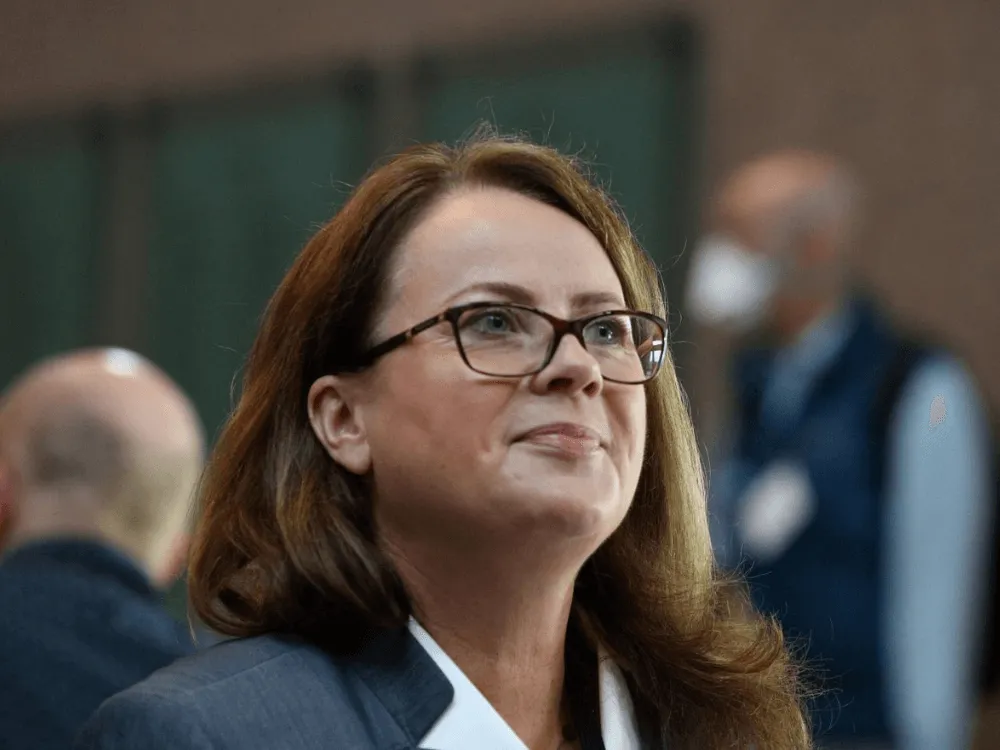
Nicola Dixon: ReFED’s Outgoing Board Chair on What Was Accomplished and What Lies Ahead
As a true food waste champion and experienced impact leader, Nicola’s insights and expertise were invaluable to ReFED as we navigated the initial years of being a national nonprofit organization, as well as the fallout from COVID-19’s effects on the food system.
-
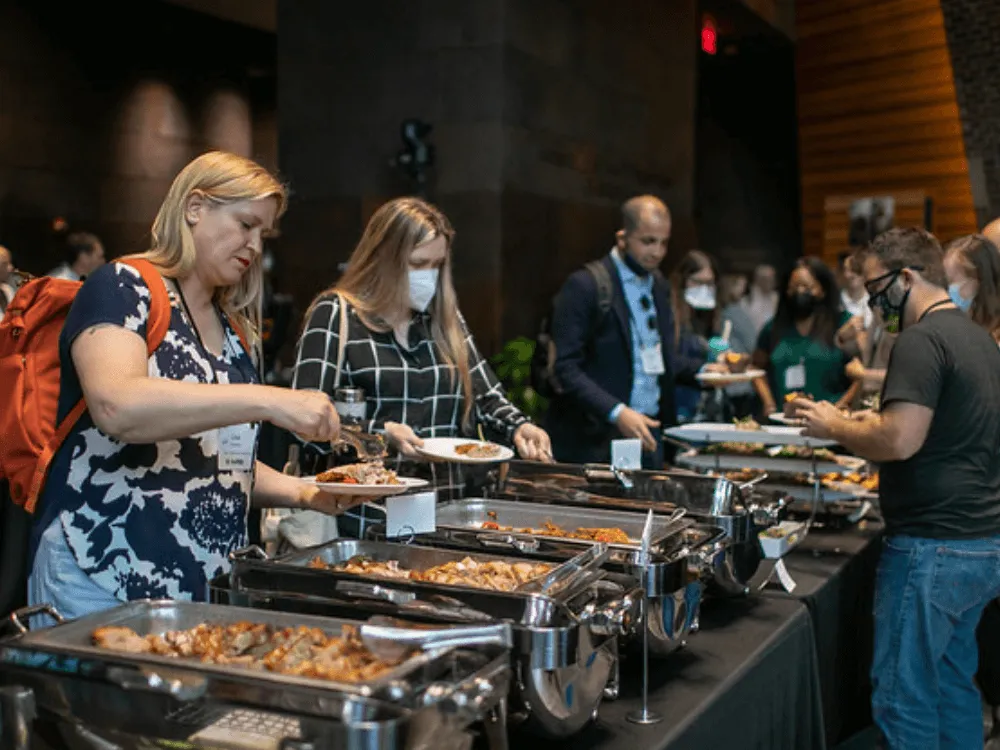
Cutting Food Waste at the 2022 Summit – And at Your Next Event
The catering at the Food Waste Solutions Summit is important, not only because it brings us together and facilitates meaningful connection, but because it's an opportunity to change the narrative about abundance and innovate new models for reducing food waste at events. This year, we kept the total food wasted during the three days of the Summit to just under 30 pounds total – 95% less than what's wasted at comparable events. Here's what we did...
-
GUEST BLOG: UN’s Food Security and Nutrition report underscores need for action against food waste
This post was written by guest author Sophie Tedesco, Food & Agriculture Intern, and edited by Danielle Melgar, Food & Agriculture Advocate The United Nations (U.N.) just released its annual The State of Food Security and Nutrition in the World Report, highlighting the alarming number of people facing hunger, food insecurity and malnutrition worldwide. The findings of this report emphasize the need for reforms in our global food system to help people facing hunger and work towards the U.N. target of eliminating world hunger by 2030. One global priority must be reducing food loss and waste because it keeps food from people who need it and worsens climate change, which is threatening the international food supply.
-
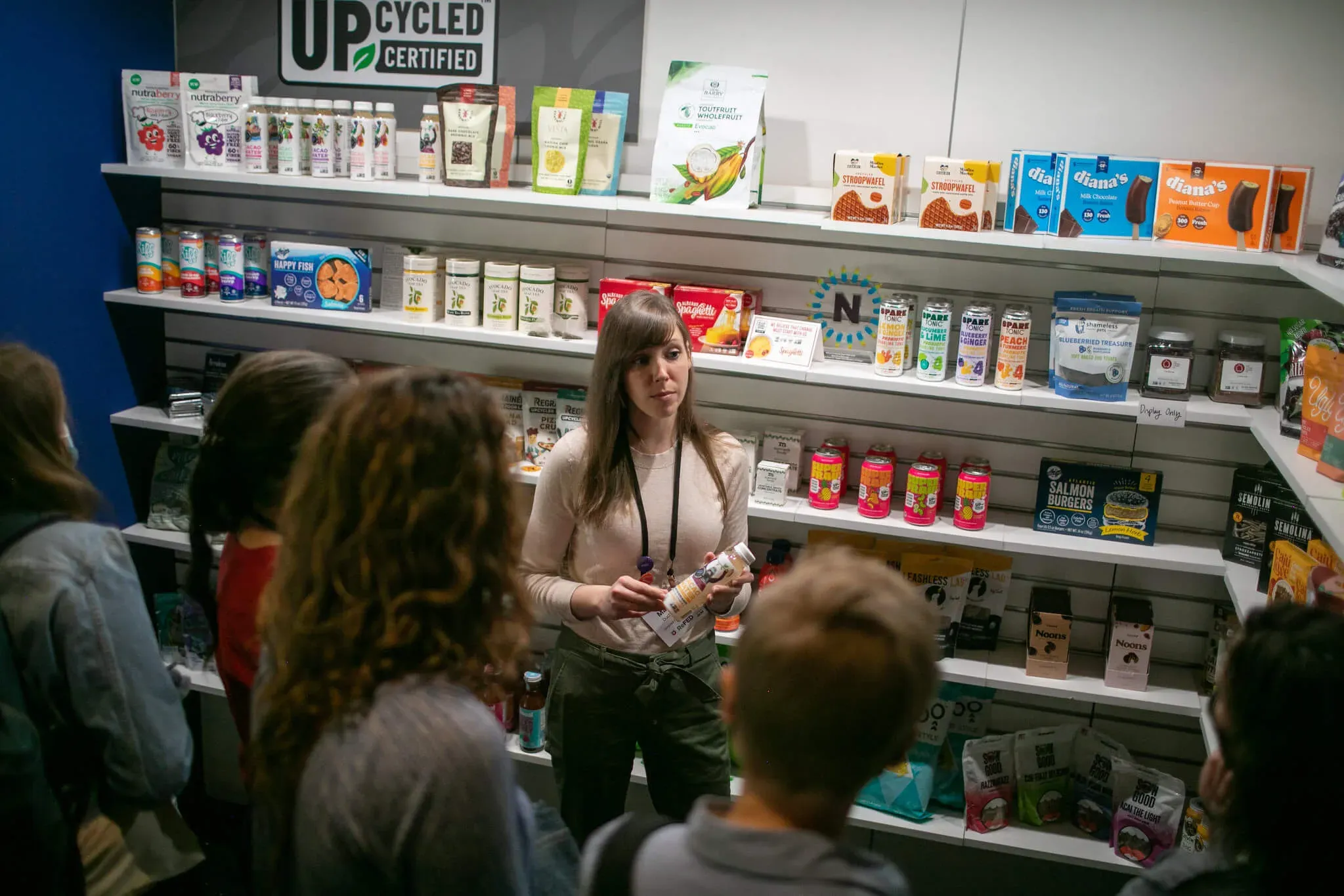
Upcycled Food Association Comes Full Circle At ReFED Solutions Summit
In 2019, just before the ReFED Food Waste Summit in San Francisco, Turner Wyatt made a call that would change the food waste landscape. He phoned ReFED founder Jesse Fink with a proposition – to help him get a group of people to the Summit in order to sign papers of inception for a new nonprofit that Wyatt had been working on with a handful of others. Recognizing the potential, Fink became the first funder of the UFA. “No one does that, you don’t just make donations to an organization that doesn’t exist yet. Jesse has this way of seeing the future,” said Wyatt. With that, the Upcycled Food Association (UFA) was officially started, with Wyatt serving as the CEO.
-

Drawdown Update Affirms Reducing Food Waste as a Leading Solution to Climate Change
Last week, Project Drawdown released a major update to its landmark 2017 analysis of how the global community can implement currently available and readily scalable solutions to avoid the most catastrophic effects of climate change. Food waste reduction remains the #1 solution under the scenario that limits end-of-century warming to 2°C! In the more ambitious scenario limiting warming to 1.5°C, projections for dramatic electrification and grid decarbonization put Onshore Wind and Utility-Scale Solar at #1 and #2 - Reducing Food Waste comes in at #4, just after Plant-Rich Diet.
-
Building Equity into the Food Waste Movement
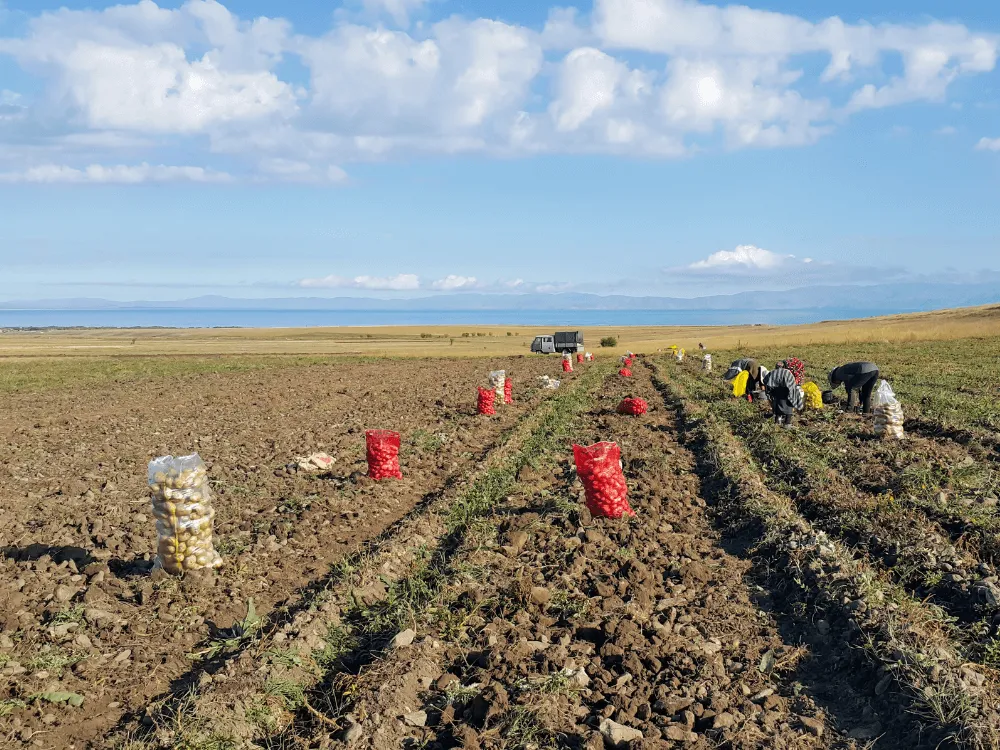
ReFED has been working to educate ourselves on how efforts to reduce food waste intersect with inequities within the food system, and our hope is that this these efforts will identify areas for improvement both within ReFED and among the broader food waste community – and serve as a source for inspiration and ideas as we collectively work to enhance equity and make room for voices that have historically been marginalized.
-

SEC Climate Related Disclosures and the Potential Impact for Food Businesses
The comment period for the proposed U.S. Securities and Exchange Commission (SEC) rule “Enhancement and Standardization of Climate-Related Disclosures for Investors” concluded on June 17, after collecting more than 10,000 responses that ran the full range of emotions from exhilarated applause to indignant outrage. The part of the proposed rule that has generated the most controversy is its intent to require disclosure of Scope 3 (indirect or value chain) GHG emissions for companies where they reflect a “material” component of overall emissions. On one hand, commenters who oppose the requirement point out that measuring Scope 3 emissions is a challenging and costly exercise that unduly burdens companies and their suppliers, and often the resulting information is not actionable for the reporting company anyway. On the other hand, commenters in favor of the requirement assert that climate-related risks have become, in many cases, a material risk to investors, and companies have an obligation to understand and attempt to quantify the extent to which they are contributing to these risks.
-
A Round-Up of State Policy Initiatives in 2022
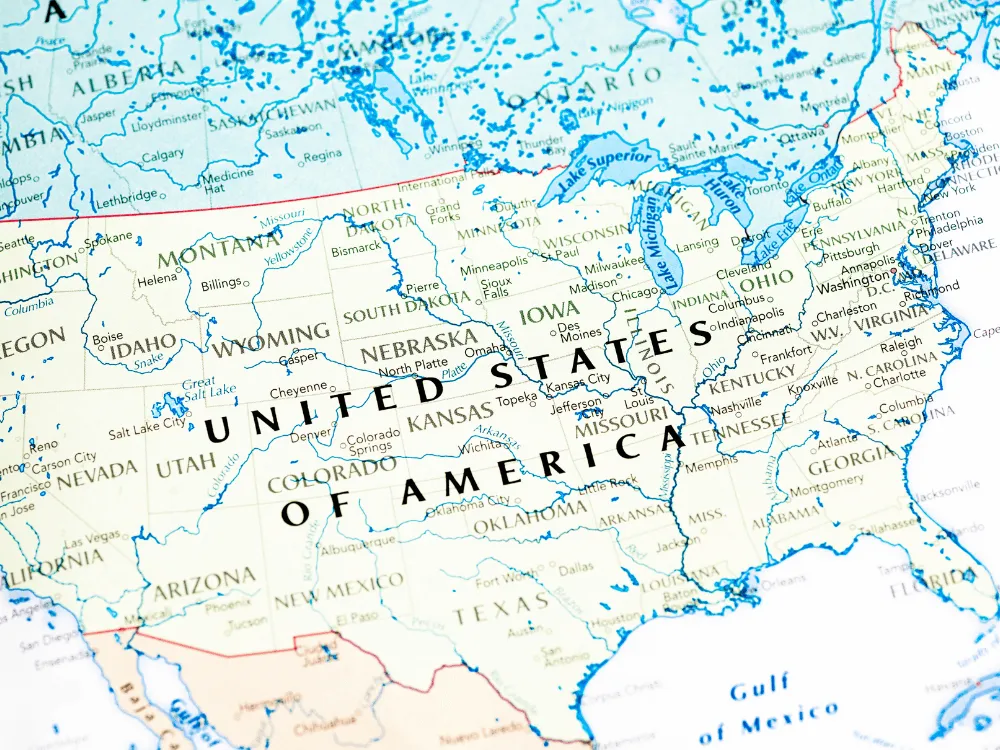
Effective policy at the state level is a critical lever for reducing food loss and waste, and state legislative bodies have been busy over the past months and year introducing and passing policies tackling food loss and waste. Since January 2022, states have introduced or actively carried over 70 bills on food loss and waste, 14 of which passed (a roundup of all 2021 bills is available here).
-
GUEST BLOG: How UpRoot is Reconnecting People To The Food System
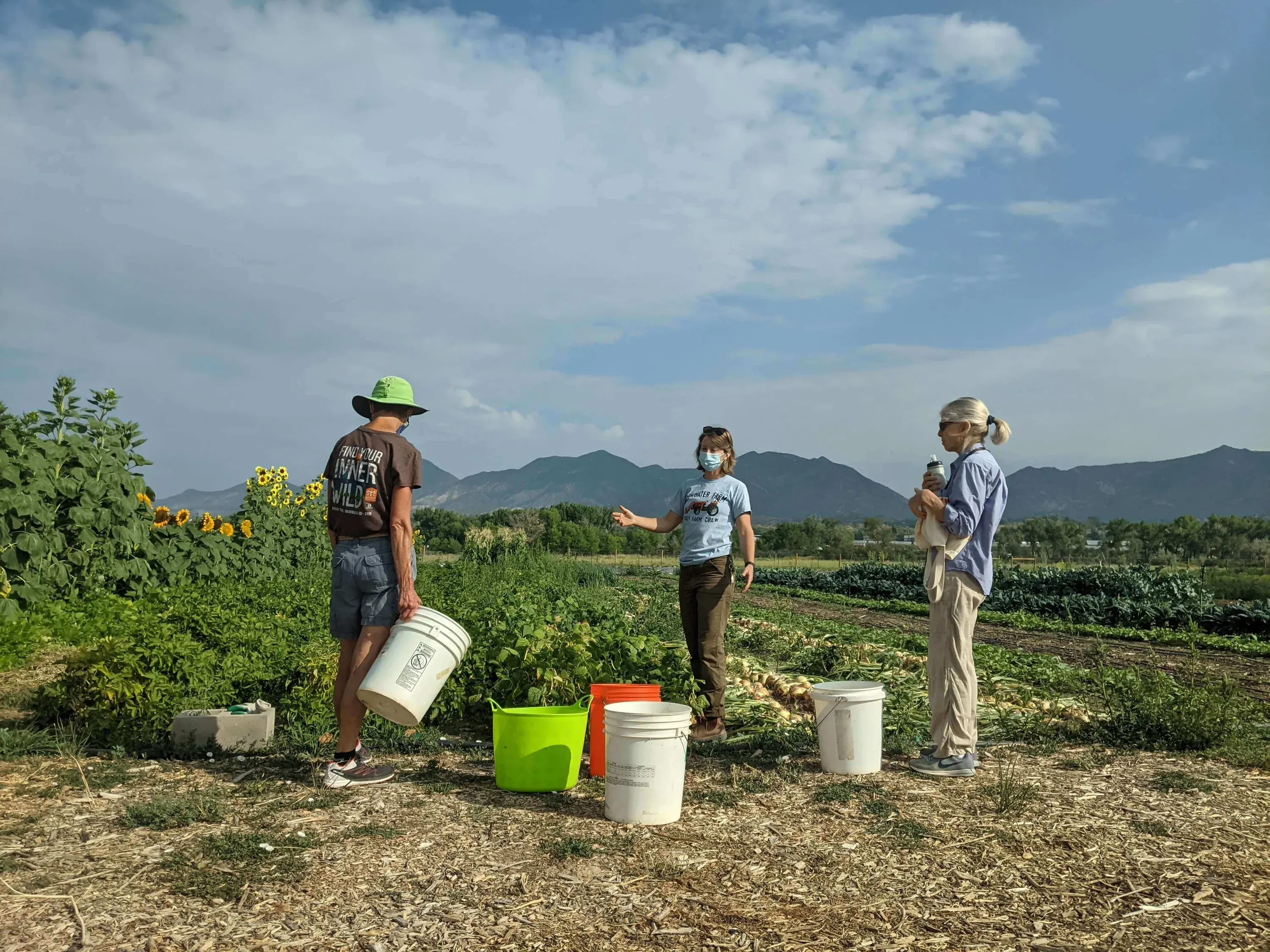
UpRoot Colorado works to create these opportunities for reconnection. We work with geographically- and demographically-diverse communities across the state of Colorado—and are deliberately working to broaden the diversity of people who are represented in our work— to divert surplus food from farm fields and orchards to members of our communities who want and need it.
-

Juneteenth: Celebrating with Community and Food
At ReFED, we recognize that food and community are inseparable. To commune is to come together as a group and share resources. Breaking bread as tradition goes all the way back in time. Almost all holidays have some kind of food associated with them. Whether it is the Thanksgiving turkey or Ramadan’s iftar, food, community, and celebration go hand in hand. Juneteenth is no exception.
-
How to Design Packaging to Prevent Food Waste
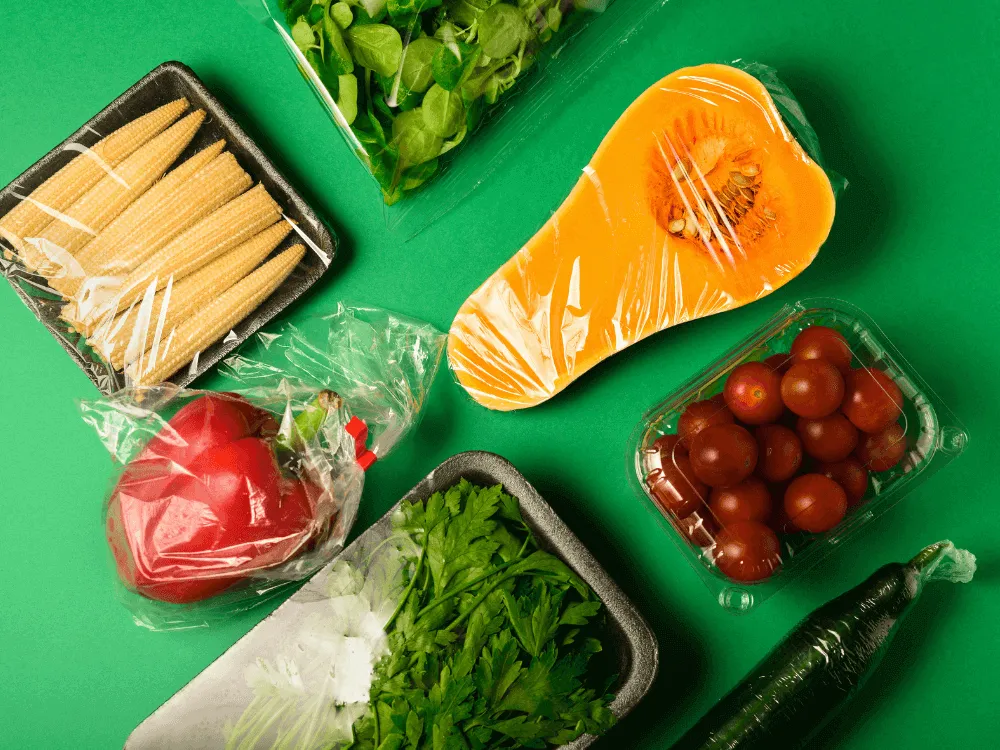
We often ask if our food packaging is recyclable, but why don’t we ask if it’s contributing to food waste? Packaging plays an important role in protecting food until it reaches the consumer, but it can also reduce food waste at home by serving as a storage container, making contents easy to access, and communicating how to cook with the product. At the same time, packaging can make it difficult to access content (like condiments), become damaged or fail in ways that cause food to spoil, or lead someone to buy more than they need – all of which can lead to food waste. Beyond that, packaging materials themselves often become waste, contributing up to 28% of what ends up in landfills.
-
USDA Addresses Supply Chain Issues, Adds Resilience and Fairness to Food System Goals
In response to disruptions of the food supply chain and the need to transform the food system to be more fair, competitive, and resilient, Secretary of Agriculture Tom Vilsack announced a new United States Department of Agriculture (USDA) framework on June 1 in Washington, DC. According to USDA, the goal of this framework is to create “more and better markets that will benefit both producers and consumers, as well as address longstanding issues intensified by the pandemic” – and several of its components have the potential to reduce food waste.
-
Three Days of Insights, Inspiration, and Action
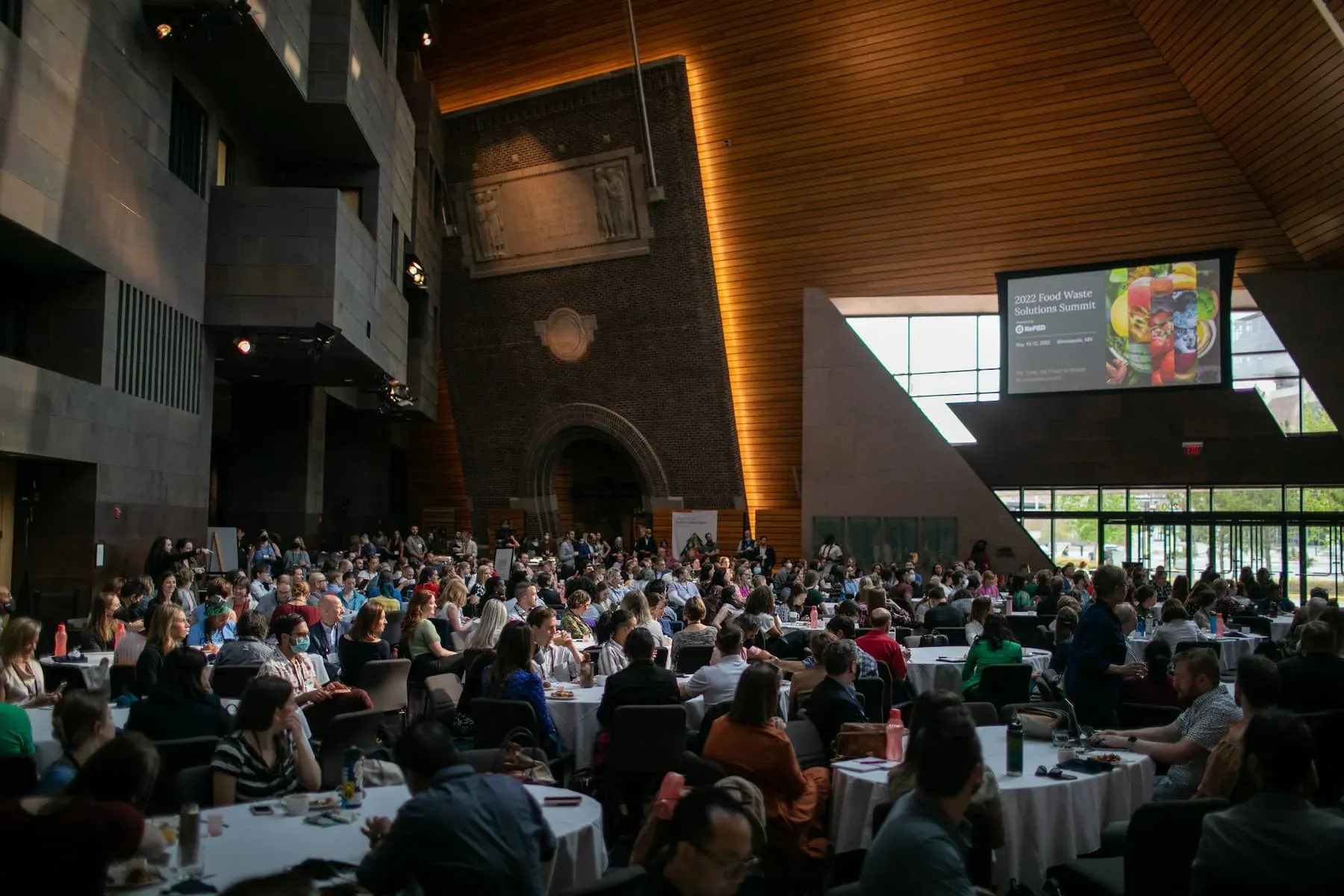
Presented by ReFED, the first Food Waste Solutions Summit in more than two years took place May 10-12 in Minneapolis, with more than 640 people joining either in-person or virtually. This was the largest gathering of the ReFED community to date, and while the last two years have been far from slow, the event was a good reminder of the real purpose of meeting people face-to-face – community building, inspiration, acceleration, and celebration.
-

ReFED and Closed Loop Partners Announce Funding Platform Targeted to Raise $100M for Food Waste Solutions with Support from Google and The Betsy and Jesse Fink Family Foundation
Growing awareness in food waste reduction as a top climate change solution is driving increased interest among funders to invest in the space.
-

How EatOrToss is Empowering Consumers to Waste Less by Understanding their Food Better
Say you’re preparing dinner, and one of your ingredients doesn’t look quite right. Maybe your sweet potato is sprouting. Or your apples have odd spots. Perhaps your avocado is a festival of little brown dots. You don’t want to waste the food. But you also don’t want to make your family sick. This, I hope, is where EatOrToss.com comes in.
-

ReFED Data Reveal Private Investment into Food Waste Solutions Topped $7.8 Billion Since 2011 – Including a Record $2 Billion in 2021 Alone
The Past Ten Years Saw a Steady Acceleration in the Quantity and Size of Food Waste Deals, As More Funders Recognize the Environmental, Economic, and Social Benefits the Space Offers.
-

ReFED and EDF Announce Private Sector Partners for 2022 Climate Corps Food Waste Fellowship
The effort supports the growing number of brands that are making public commitments to reduce food waste but aren't always able to advance their reduction strategy efficiently without additional resources to drive progress.
-
Examining Plastic and Food Waste: A Package Deal
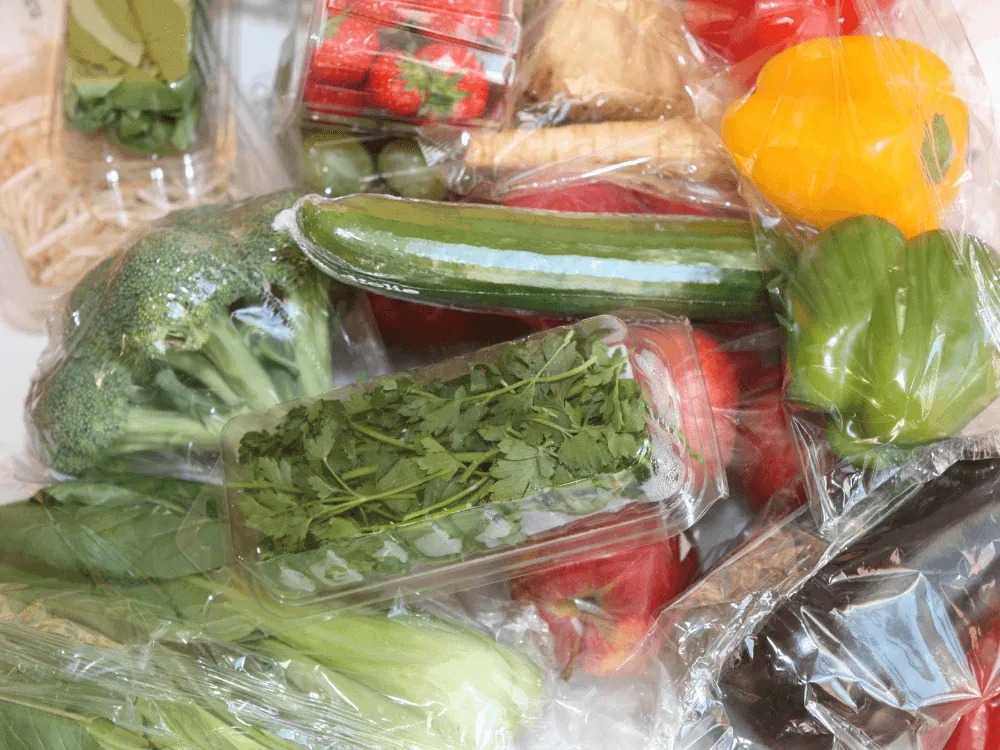
Plastic is cheap and lightweight but also protective – keeping food products clean, safe, convenient, and often helping them last longer. That last point is arguably the most important in a growing debate over society’s use of plastic and a recognition that reducing food waste is one of the most effective ways to cut global greenhouse gas emissions.
-

GUEST BLOG: Geopolitics, Fertilizers, and… Food Waste?
ReFED’s Roadmap to 2030 highlights that “Maximum Product Utilization” is critical to developing a closed loop food system. Guest author Riyana Razalee, Head of Business Development at Re-Nuble discusses how current geopolitical events increase the urgency to adopt solutions that upcycle previously unused waste streams.
-

Food Waste Reduction at Google and Beyond: Back to Basics
Can reducing food waste be more difficult than rocket science? Maybe not, but when an organization is serving tens of millions of meals per year at locations across the world, it can certainly be a complex issue. Recently ReFED Executive Director Dana Gunders sat down with Emily Ma, Head of Food For Good at Google (and a ReFED Board member) to discuss Google’s journey into food waste initiatives, the critical role of data, and how the pandemic helped spur action on food waste and food insecurity, among other topics.
-
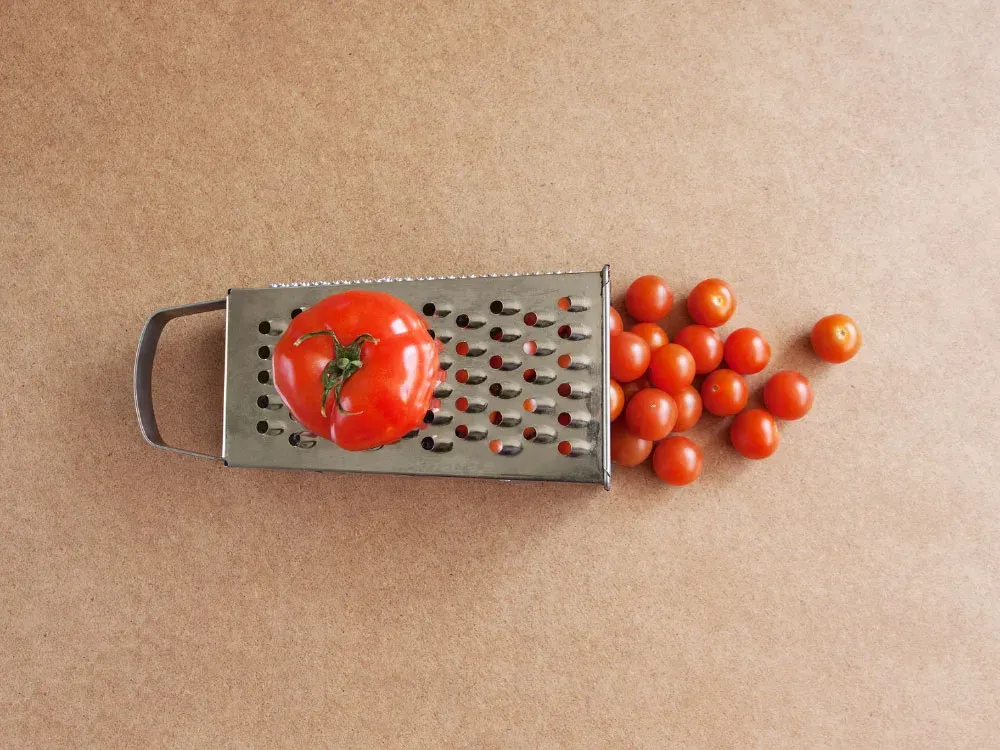
ReFED Announces Upcoming $10 Million Catalytic Grant Fund with Anchor Funding from Google
Today, ReFED announced that Google is providing $1 million in anchor funding for the upcoming ReFED Catalytic Grant Fund, a new five-year initiative designed to provide non-dilutive and patient capital that de-risks and scales food waste solutions with the potential for high impact.
-

Special Report: 2022 in Food Waste Investment
Food waste has established itself as an emerging business category driven by a growing focus on climate change, concerns about supply chain disruptions (which are leading to higher costs), and validation from food waste success stories- we remain excited about the opportunities that 2022 will bring.
-

Closed Loop Partners Collaborates with PepsiCo, the NextGen Consortium & Other Leading Brands to Advance Composting Infrastructure & Recover Compostable Packaging and Food Scraps
ReFED serves as Advisory Partner for the new Composting Consortium, which aims to pilot industry-wide solutions and build a roadmap for investment in technologies and infrastructure to address the growth in production of compostable food packaging
-

New Food Waste Action Network Will Help Spur Solution Adoption Across the Food System
Join the new ReFED Food Waste Action Network to connect and collaborate with food businesses, funders, subject matter experts, researchers, government agencies, food waste solution providers, and more - ultimately driving action toward our collective goal of reducing U.S. food waste by 50% by 2030.
-

How Reducing Food Waste Can Help Solve The Climate Crisis - ReFED
An investment of $14 billion a year over the next decade can eliminate 45 million tons of food waste each year. That translates into a reduction of 75 million tons of greenhouse gases – the equivalent of taking 16 million cars off the road each year.
-
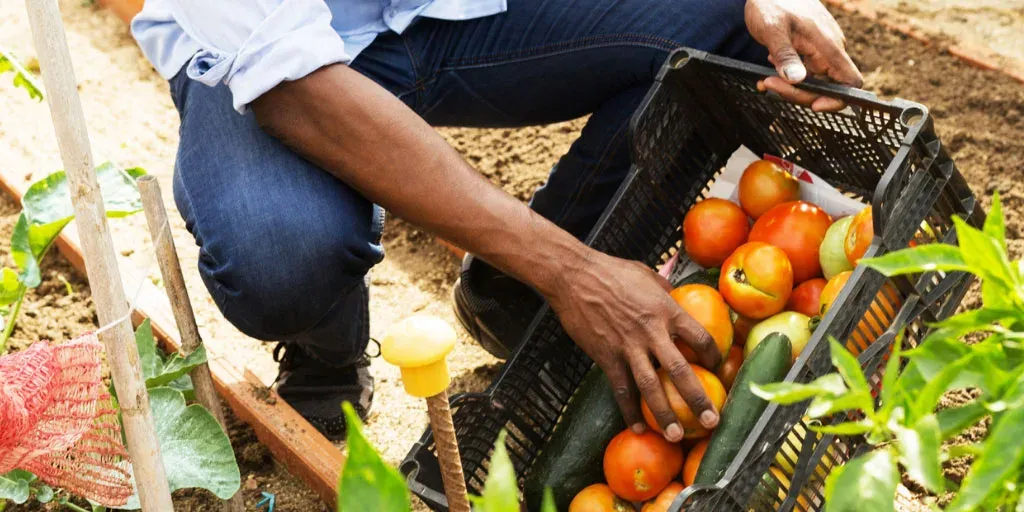
PCC Food Waste Reduction Initiative Releases Report Showing 2020 Progress
ReFED is a resource partner for the public-private partnership working to create a less wasteful food system – with the goal of making significant reductions in carbon emissions and contributing to the health and economic success of the West Coast region.
-
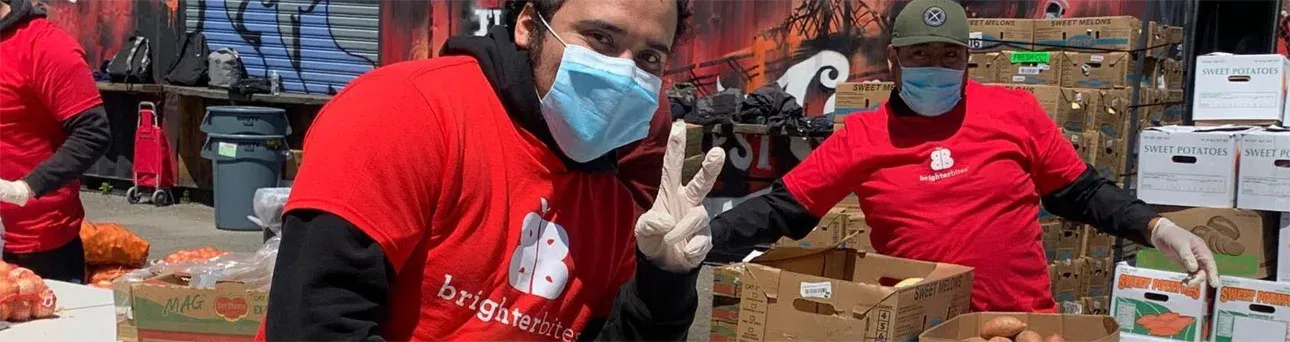
New ReFED Report Offers Organizations Across the Food System A Guide For Scaling Food Recovery And Hunger Relief Efforts
The report includes best practices, case studies, and expert advice for the entire food system on how to support innovative food recovery organizations as they scale their work to reduce food waste and fight hunger.
-
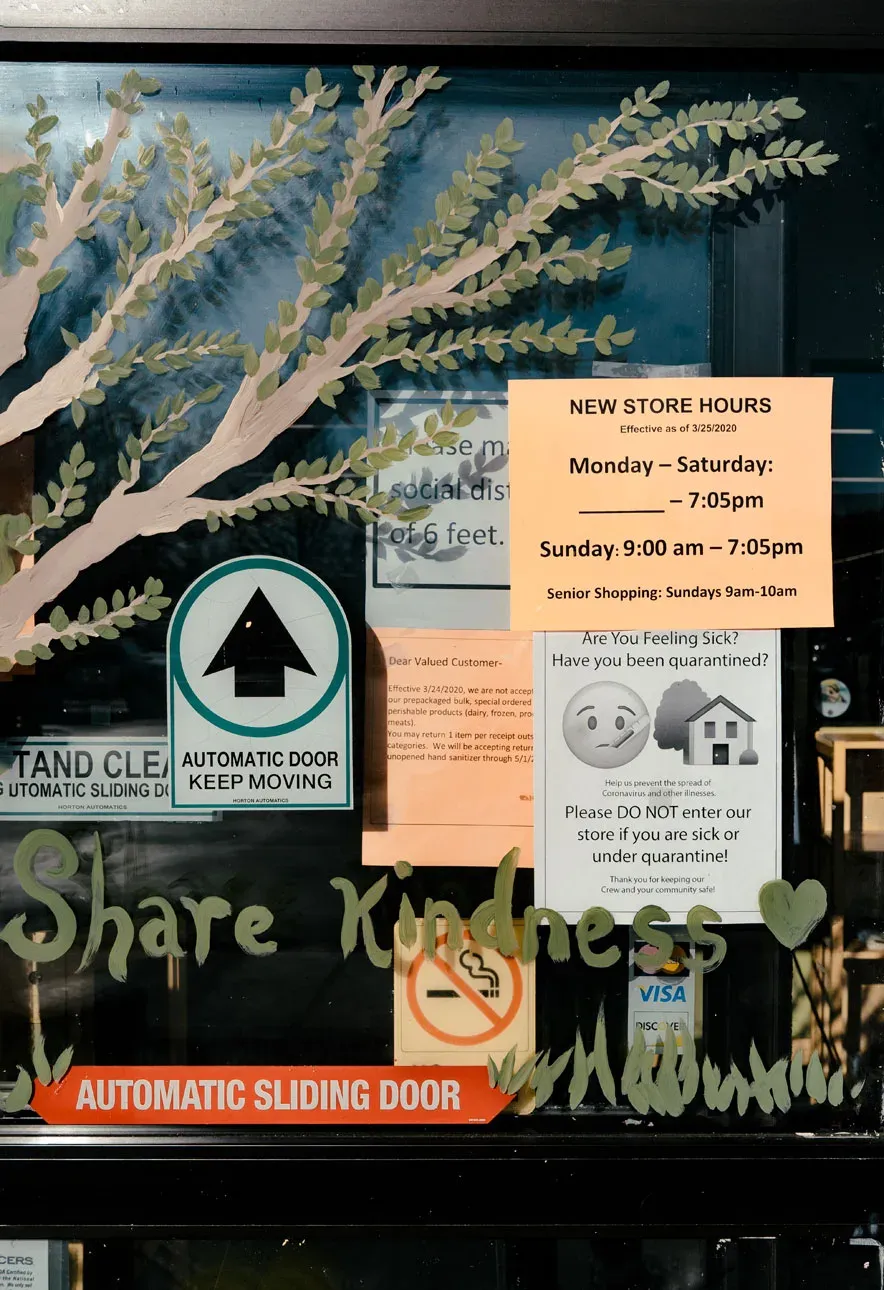
ReFED's Directory of Fundable Initiatives for COVID-19 Support
Get details on organizations that need support right now to enact new safety measures, hire more drivers, establish “rapid response” services, conduct direct distribution to those in need, build new partnerships to facilitate their ongoing outreach, and more.
-
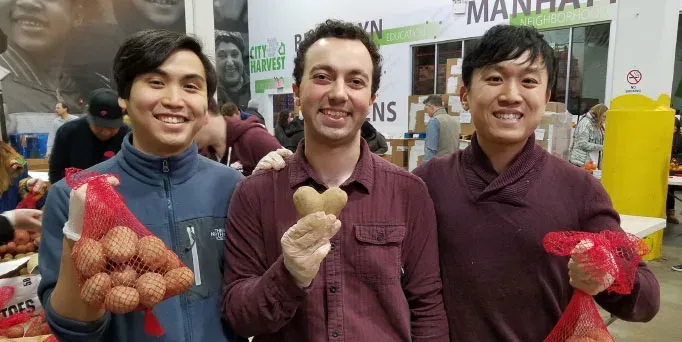
Accelerator Expert Network Knowledge Series: Jessica Grace Torres from City Harvest
Check out this interview with Jessica Grace Torres, Director of Business Intelligence at City Harvest, to learn more about City Harvest’s technology solutions geared towards alleviating hunger amongst food insecure New Yorkers.
-
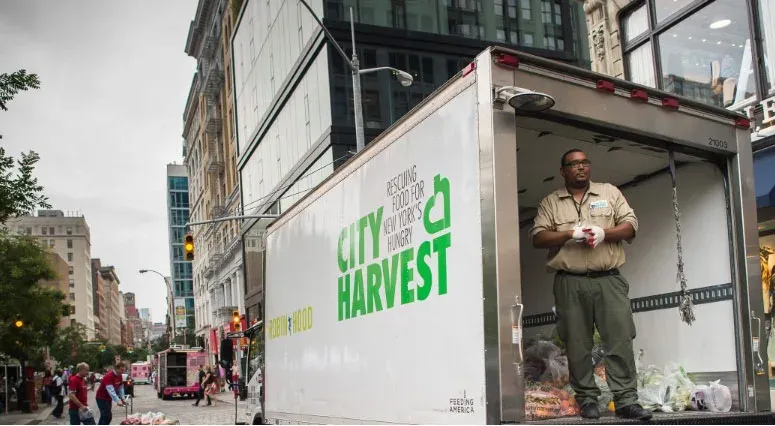
Accelerator Expert Network Knowledge Series: Rebeckah Piotrowski from City Harvest
In this week's interview, we hear from Rebeckah Piotrowski, Director of Institutional Partnerships at City Harvest to learn more about their mission-aligned partnerships that scale their impact to end hunger in New York.
-

Accelerator Expert Network Knowledge Series: Nicole Flewell from Taylor Farms
Check out this interview with Nicole Flewell, Director of Sustainability at Taylor Farms, where she delves into the opportunities she sees for nonprofit organizations to bring fresh prepared food to low-income individuals.
-

Accelerator Expert Network Knowledge Series: Robert from LA Kitchen
Check out this interview with Robert Egger, founder of LA Kitchen, DC Central Kitchen and Campus Kitchens Project, who shared lessons learned from years of working on issues of food waste, food insecurity, and workforce development.
-
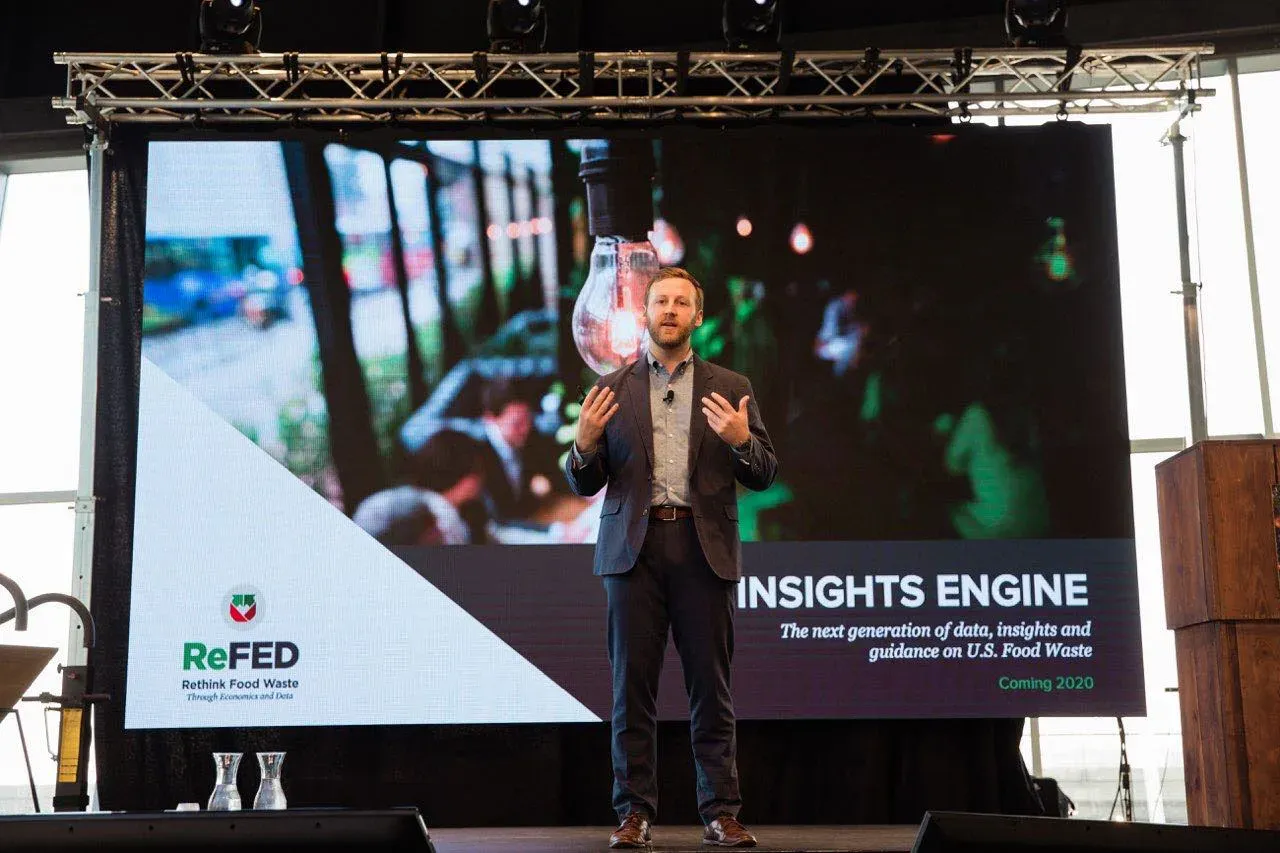
Fueling an Actionable and Data-Driven Path to Fight Food Waste
ReFED is pleased to announce that we are launching the ReFED Insights Engine, a digital-first, continuously updated platform to house the next generation of data, insights and guidance on food waste and solutions. Thank you to our seed funders for investing in and partnering on the initial stages of this work, in particular The Kroger Co. Foundation, Deloitte and Nielsen
-
Accelerator Expert Network Knowledge Series: Thomas McQuillan from Baldor Specialty Foods
Check out this interview with Thomas McQuillan, Vice President of Corporate Strategy, Culture and Sustainability at Baldor Specialty Foods, to learn about his work implementing major sustainability initiatives throughout their foodservice operations.
-
Accelerator Expert Network Knowledge Series: Kari Armbruster from The Kroger Co.
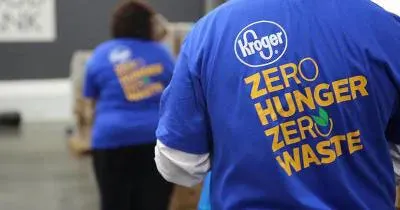
Check out this interview with Kari Armbruster, Zero Hunger | Zero Waste Project Manager at Kroger, to learn about their strategies for ending hunger in Kroger communities and eliminating waste across their company by 2025.
-

Accelerator Expert Network Knowledge Series: Doug Rauch, Daily Table
Check out this interview with Doug Rauch of Daily Table, who applied lessons from his extensive retail career at Trader Joe’s to build an enjoyable shopping experience that promotes dignity and helps low-income customers access nutritious, affordable food.
-
Accelerator Expert Network Knowledge Series: Bill Reighard, Food Donation Connection
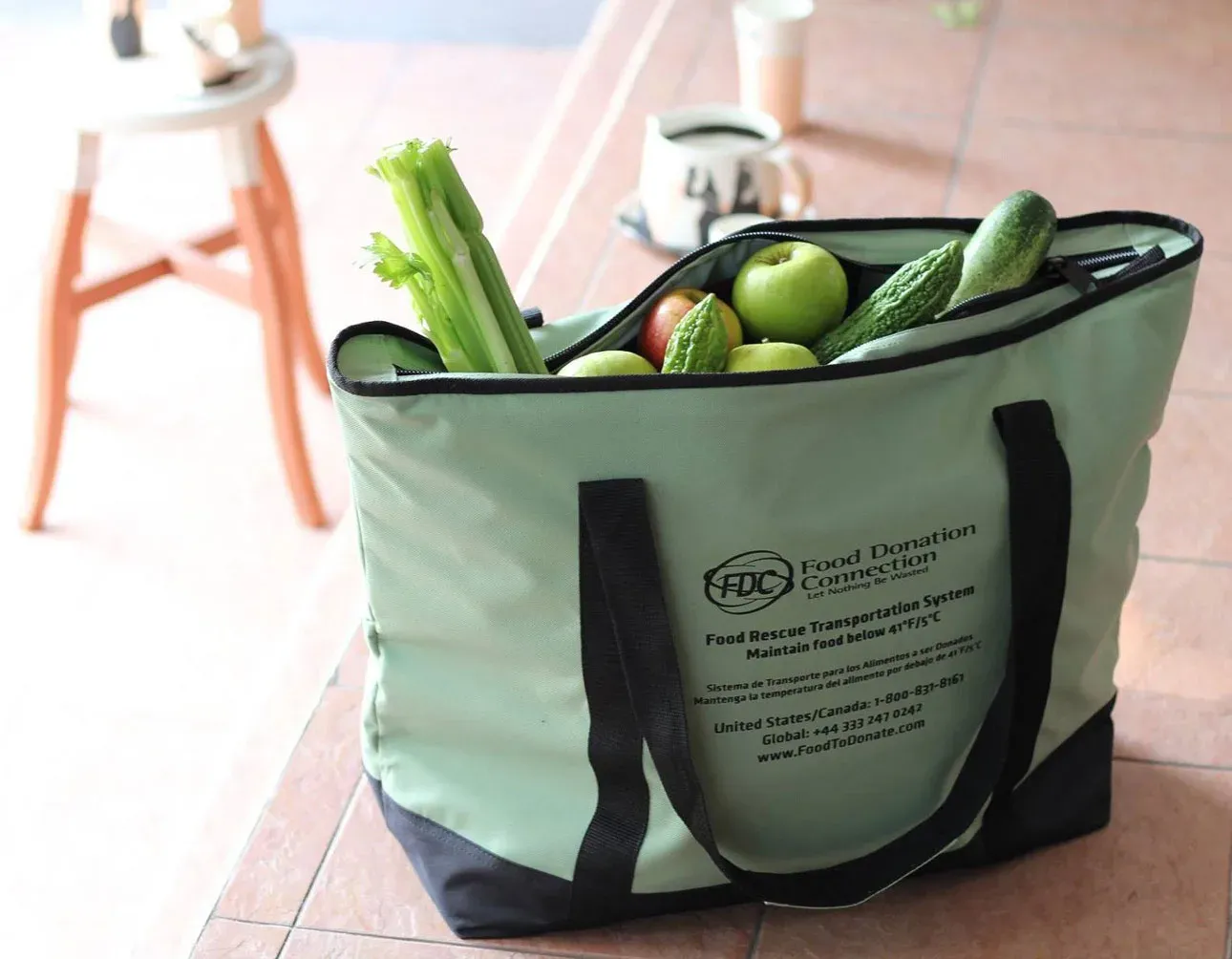
Check out this interview with Bill Reighard of Food Donation Connection, who leveraged his industry knowledge overseeing operations at PepsiCo to launch a for-profit food recovery company that has coordinated more than 550m pounds of food over the past 25 years.
-
ReFED Announces Cohort for Industry-First Nonprofit Food Recovery Accelerator
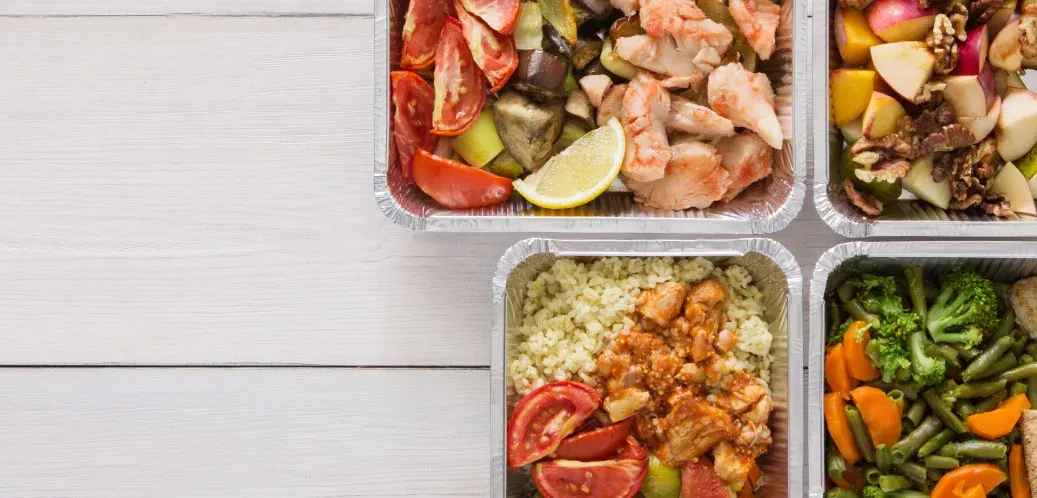
The diverse group of ten food recovery nonprofits come from eight states across the U.S. and range from established food banks to young startups that leverage concepts from the sharing economy for recovering wasted food in a dignified, scalable way.
-
Press Release: ReFED’s 2018 U.S. Food Waste Investment Report Reveals Foundation Funding Reached $134 Million in 2016; VC Funding Reaches $125M in 2018
ReFED's 2018 U.S. Food Waste Investment Report details key trends in the capital and innovation landscape and highlights specific examples of philanthropic, public, and private food waste investment, including a Special Report on Foundation Funding.
-
ReFED Partners with Harvard Law School Food Law and Policy Clinic to Host 2018 U.S. Food Waste Summit
Taking place June 26-27 at Harvard Law School in Cambridge, MA, the Summit will convene more than 300 leaders from across the public, private and nonprofit sectors to accelerate solutions to food waste and achieve the national goal to cut food waste in half by 2030.
-
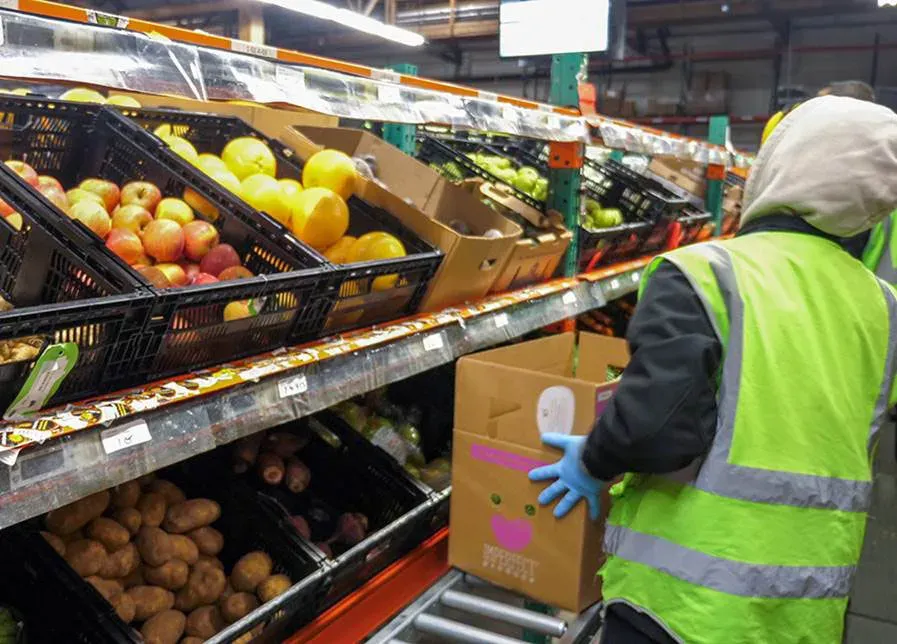
Food Waste Funders Meet to Fuel Further Impact - ReFED Inc
Last month 16 food waste thought leaders met in an industrial corner of San Francisco to discuss the future of food waste capital and innovation. The event held at the headquarters and warehouse operations of food waste innovator, Imperfect Produce, was organized by Alexandria Coari, Capital & Innovation Director for ReFED, as part of the nonprofit’s Food Waste Funders Initiative.
-

Press Release: ReFED Analysis Uncovers Opportunity to Reduce 16 Million Tons of Food Waste in Foodservice and Restaurant Sectors
ReFED collaborated with the four largest foodservice providers, major restaurants, industry trade associations, and more than 60 expert contributors to create the Restaurant and Foodservice Food Waste Action Guides to support businesses in developing and implementing food waste solutions.
-
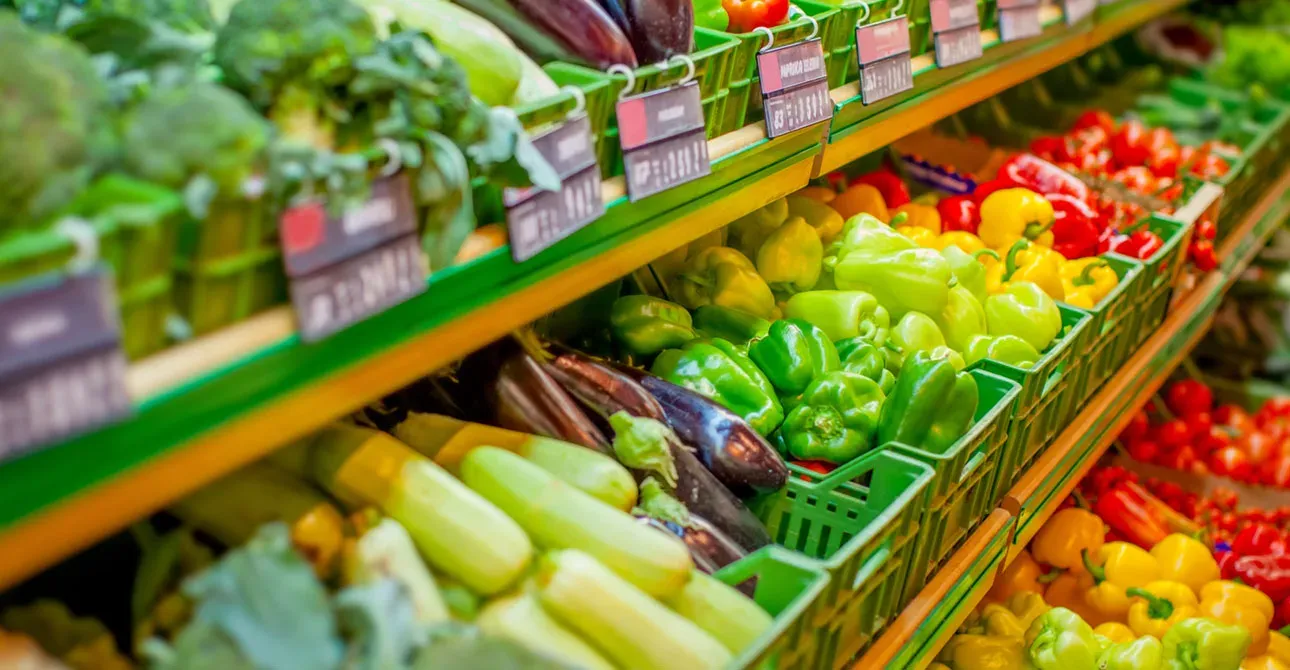
ReFED Analysis Reveals Food Waste Represents $18.2 Billion Profit Opportunity for Grocery Retailers
ReFED collaborated with major grocery retailers, industry trade associations, and more than 30 expert contributors to create the Retail Food Waste Action Guide to support retailers in developing and implementing food waste solutions.
-

Data Driven Procurement for Less Wasted Food - ReFED
Every so often, we unintentionally discover something truly valuable; either as a complete accident (think Penicillin) or as a byproduct of intended actions. It is no coincidence that entrepreneurs addressing inefficiencies at various nodes throughout the food system often end up addressing wasted food. Such is the case with Konstantin Zvereff, CEO and Co-Founder of BlueCart, a procurement platform for buyers and suppliers that is helping to digitize an industry and enable lean operation models for thousands of food businesses. ReFED had the opportunity to speak with Konstantin Zvereff about what it takes to be a successful entrepreneur in the burgeoning ecosystem of food waste solutions.
-
ReFED Newsletter: May 2017
Last month, ReFED launched groundbreaking tools around two of the four Roadmap levers of action: innovation and policy. The Food Waste Innovator Database highlights over 400 innovators who are building new industries to reduce wasted food. The Food Waste Policy Finder identifies leading and lagging state policies that enable or block food waste reduction.
-
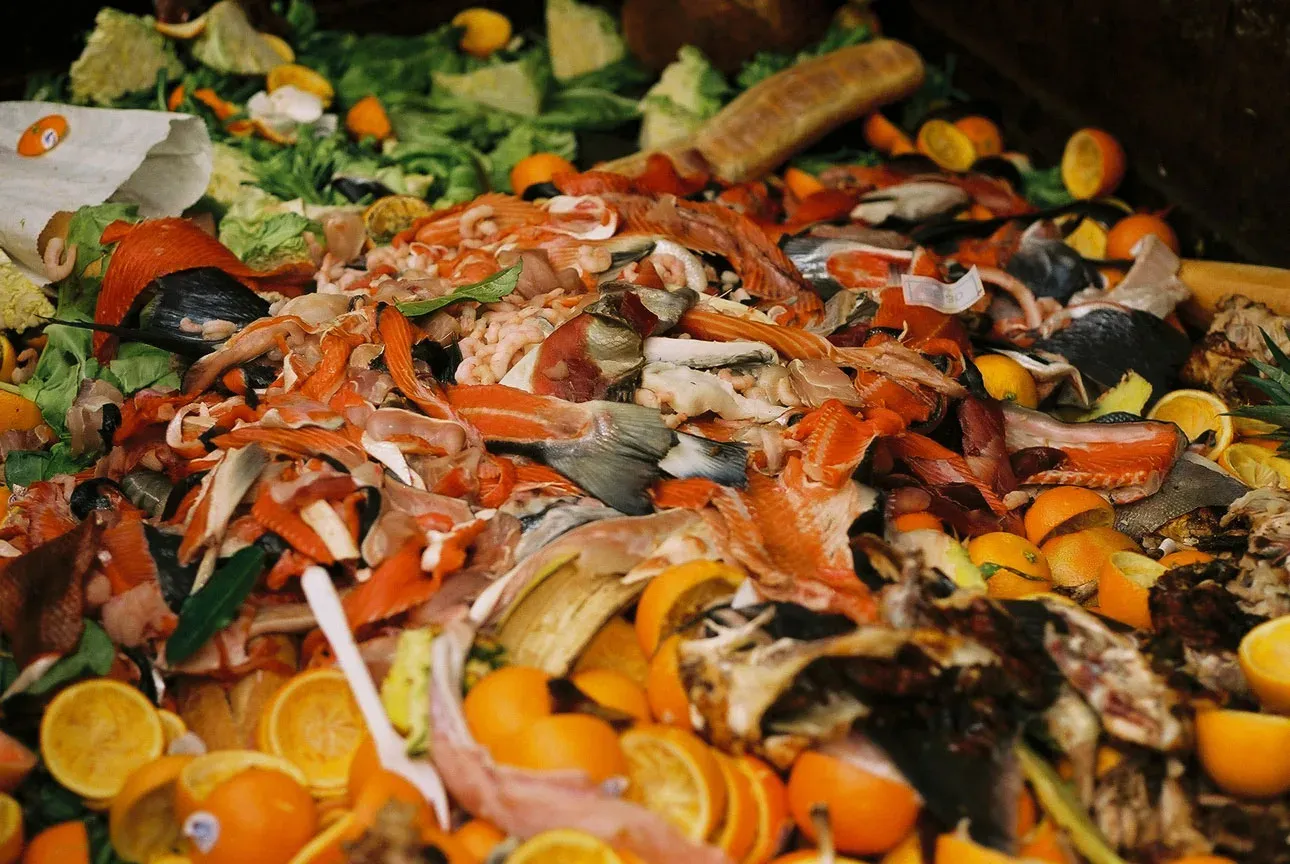
How to Unleash the New Food Waste Economy - ReFED
This post was written by Janet Reynolds of FoodFutureCo. Janet Reynolds is FoodFutureCo’s fellow and a co-founder of Waste for Good, a social enterprise building hyper-local networks to connect sustainably-minded food providers to a hub in the community, where food waste is converted into clean energy.
-

ReFED Inc. Newsletter: December
Winter may be in full swing, but work at ReFED is really heating up! Over the next few months, expect some big announcements, including the launch of two new online tools (additional details below) and the kick-off of our Funder Collaborative. We are beyond excited to lift the curtain on these projects, and encourage you to take advantage of these resources and share them broadly with your networks as they are released.
-
ReFED Newsletter: November
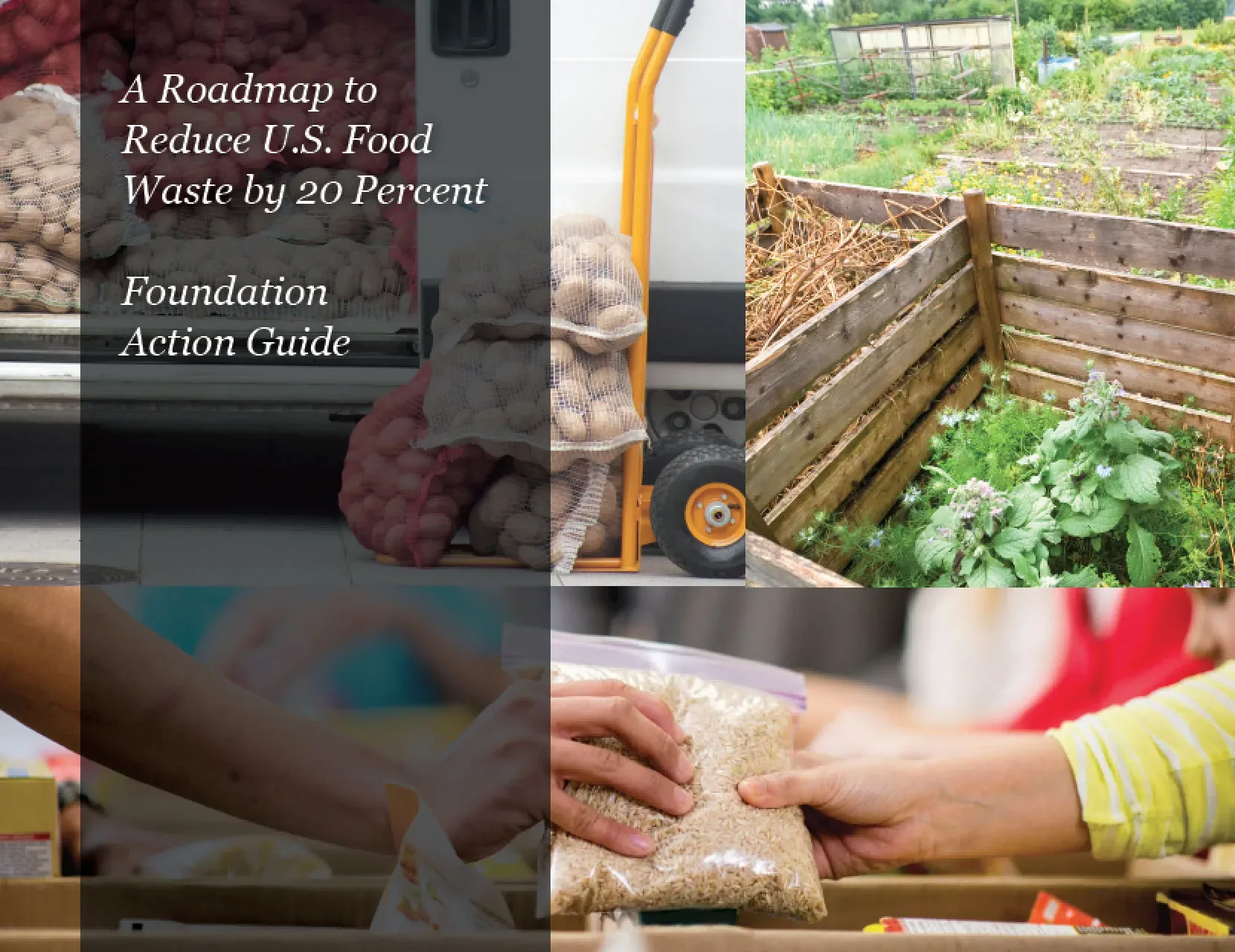
The ReFED team has been hard at work over the last couple months creating new content on the steady increase in entrepreneurs tackling the food waste problem and top trends we're seeing, and releasing recommendations for how foundations can maximize the impact of philanthropic investment in food waste solutions. In the coming months, look out for new ReFED products, including a web-based tool on policies to facilitate food waste reduction.
-
Halving U.S. Food Waste: from lofty goal to practical reality - ReFED
Most of our food-related stories are about what we eat – but, a year ago tomorrow, the U.S. Department of Agriculture (USDA) and the U.S. Environmental Protection Agency (EPA) decided to focus on the food we don’t eat. Together they announced a remarkably ambitious goal of reducing U.S. food waste by 50 percent by 2030 – a goal firmly in line with the Sustainable Development Goals (SDGs) that soon after were adopted globally.











No results found.
Are you in the Media? Looking for assets or to get information - Check our Press Toolkit
The Latest to your Mailbox
Subscribe to our Mailing List
Sign up to receive updates from ReFED